In the realm of industrial automation and motor control, proximity switch sensors play a pivotal role in ensuring operational precision, safety, and efficiency. These non-contact sensors detect the presence or absence of an object within their sensing range, making them indispensable in modern motor-driven systems. Unlike mechanical limit switches, proximity sensors offer a longer service life, higher reliability, and the ability to function in harsh environments without physical wear.
Proximity switches are commonly integrated into motor control circuits to provide critical feedback for position sensing, speed monitoring, and automated sequencing. For instance, in conveyor systems driven by AC or DC motors, inductive proximity sensors detect metallic components, triggering the motor to start, stop, or change direction. This prevents jams and optimizes material flow. Similarly, capacitive sensors can identify non-metallic materials, expanding applications in packaging or textile industries where motors control delicate processes.
The selection of a proximity sensor for motor applications depends on factors like sensing distance, environmental conditions, and output type. Inductive sensors are ideal for detecting ferrous metals in motor shafts or gears, while ultrasonic sensors suit applications requiring longer ranges or liquid level detection in pump systems. Hall effect sensors, another variant, are often used in brushless DC motors to monitor rotor position, enabling precise electronic commutation and smoother operation.
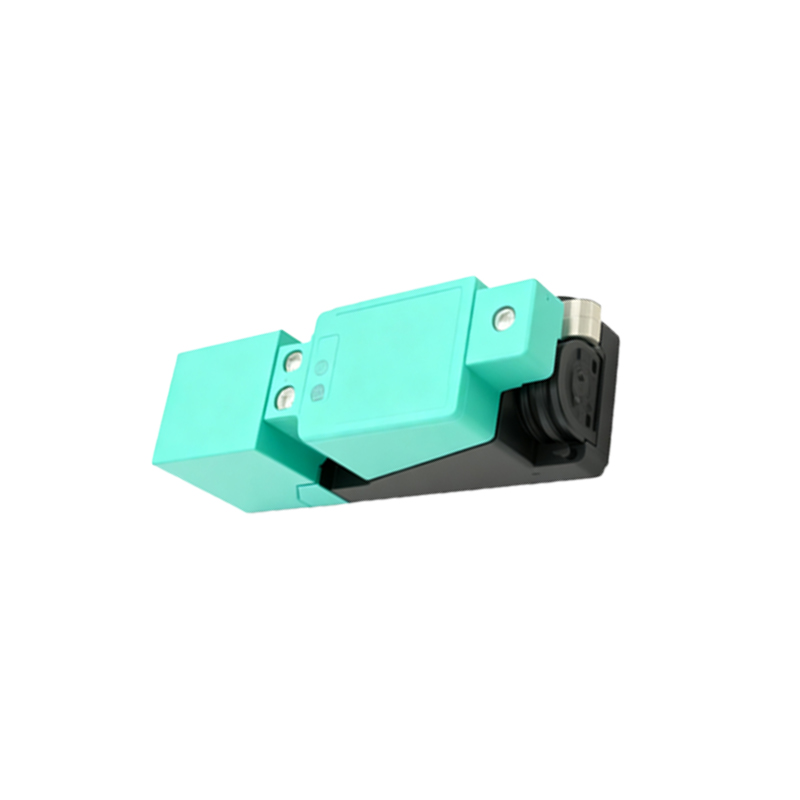
Electrical integration is straightforward: most proximity switches provide digital outputs (e.g., PNP or NPN transistors) that interface directly with motor controllers, PLCs, or relays. This allows for seamless automation, such as initiating a motor brake when an object approaches a danger zone. Moreover, modern sensors with IO-Link or Ethernet connectivity enable real-time diagnostics, predictive maintenance, and data logging, reducing downtime in motor-driven assemblies.
Safety is a paramount concern. Proximity sensors enhance machine safety by implementing interlock systems—for example, ensuring a motor only operates when a guard door is securely closed. In high-risk environments, certified safety-rated sensors comply with standards like ISO 13849, preventing accidental motor startups that could lead to injuries.
Despite their advantages, challenges exist. Electrical noise from motor drives can interfere with sensor signals, necessitating shielded cables and proper grounding. Temperature extremes or chemical exposure may also affect performance, requiring sensors with robust IP ratings. Regular calibration and testing are recommended to maintain accuracy.
Looking ahead, advancements in smart sensor technology and IoT integration are set to revolutionize motor control. Proximity switches with embedded intelligence will self-adjust to changing conditions, communicate with cloud platforms, and optimize motor efficiency autonomously. As industries embrace Industry 4.0, the synergy between proximity sensors and motor systems will continue to drive innovation, from robotic arms to electric vehicle manufacturing.
In summary, proximity switch sensors are vital components in motor control, offering non-contact detection that boosts reliability and safety. By understanding their types, applications, and integration methods, engineers can design more responsive and resilient automated systems, paving the way for smarter industrial operations.