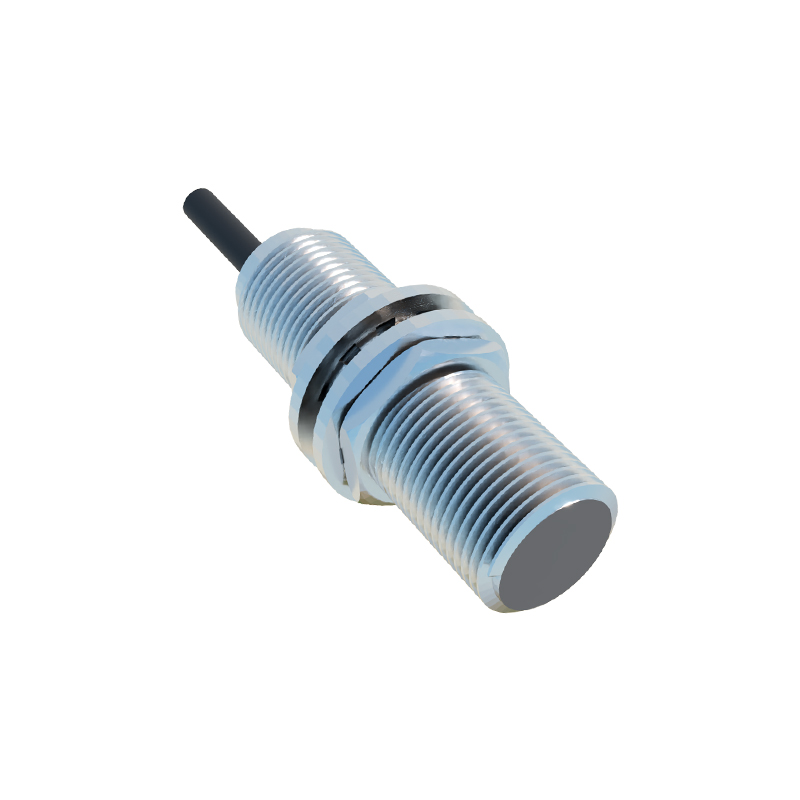
In the rapidly evolving landscape of industrial automation, proximity sensors have emerged as indispensable components for ensuring precision, safety, and efficiency. Among the leading innovators in this field, Sodilion stands out with its advanced range of proximity sensors, designed to meet the rigorous demands of modern manufacturing and processing environments. These sensors play a critical role in detecting the presence or absence of objects without physical contact, thereby minimizing wear and tear, reducing maintenance costs, and enhancing operational reliability.
Sodilion proximity sensors are engineered with cutting-edge technology, offering high sensitivity and accuracy across various applications. Utilizing principles such as inductive, capacitive, and magnetic sensing, these sensors can detect metallic and non-metallic objects, liquids, and even granular materials. For instance, inductive sensors are ideal for metal detection in machinery, while capacitive sensors excel in level sensing for liquids or powders. This versatility makes Sodilion sensors suitable for diverse industries, including automotive, packaging, food and beverage, and pharmaceuticals, where consistent performance is paramount.
One of the key advantages of Sodilion proximity sensors is their robust construction, which ensures durability in harsh conditions. Built to withstand extreme temperatures, moisture, dust, and vibrations, these sensors maintain optimal functionality in challenging industrial settings. Additionally, they feature compact designs that allow for easy integration into existing systems without requiring significant modifications. This plug-and-play capability not only simplifies installation but also reduces downtime, contributing to higher productivity and cost savings for businesses.
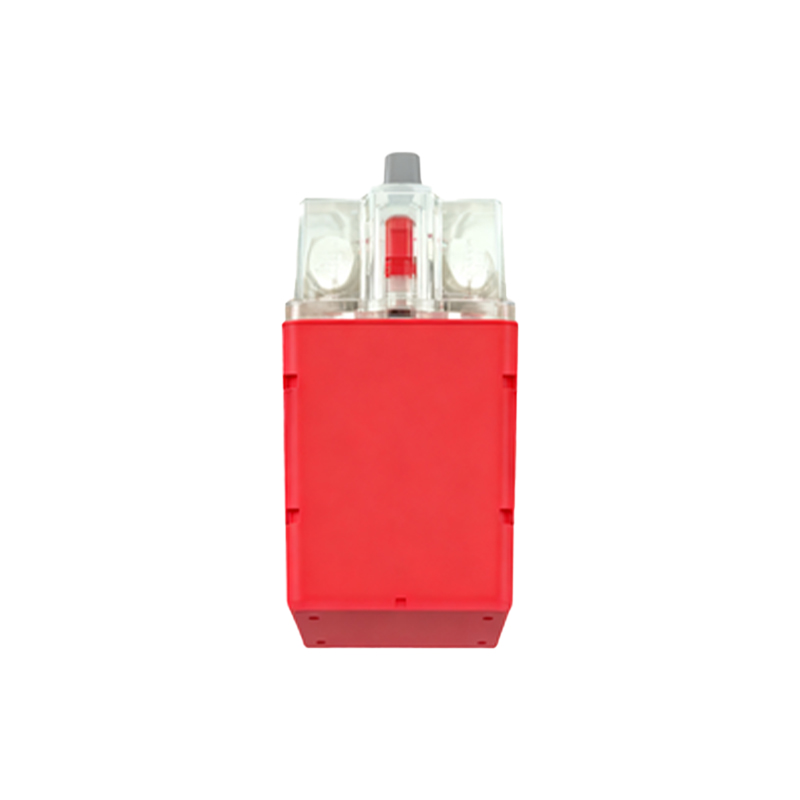
In terms of technical specifications, Sodilion sensors offer a wide range of sensing distances, from a few millimeters to several meters, depending on the model and application. They also provide fast response times, enabling real-time monitoring and control in high-speed automation processes. For example, in conveyor belt systems, these sensors can detect objects accurately at rapid speeds, ensuring smooth material flow and preventing bottlenecks. Furthermore, many Sodilion models incorporate advanced features like programmable outputs, diagnostic LEDs, and immunity to electromagnetic interference, enhancing their adaptability and user-friendliness.
The integration of Sodilion proximity sensors into automated systems aligns with the broader trend of Industry 4.0 and smart manufacturing. By facilitating seamless communication with programmable logic controllers (PLCs) and other control devices, these sensors enable data-driven decision-making and predictive maintenance. This connectivity helps optimize production lines, reduce energy consumption, and improve overall equipment effectiveness (OEE). As industries continue to embrace digital transformation, the reliability and intelligence of Sodilion sensors position them as vital tools for achieving operational excellence.
In conclusion, Sodilion proximity sensors represent a significant advancement in sensor technology, offering unparalleled performance and versatility for industrial automation. Their ability to enhance efficiency, ensure safety, and support sustainable practices makes them a preferred choice for engineers and operators worldwide. As the demand for automation grows, Sodilion's commitment to innovation and quality ensures that its sensors will remain at the forefront of driving industrial progress.