In the intricate world of industrial automation and control systems, proximity sensors stand as silent sentinels, enabling precise, non-contact detection of metallic and non-metallic objects. Their reliability directly impacts machine efficiency, safety, and uptime. For electrical engineers and system designers, selecting the right brand is as critical as choosing the correct sensor technology. This guide delves into the landscape of leading proximity sensor brands, examining their core philosophies, technological strengths, and typical application niches.
The market is broadly segmented into global automation giants and specialized sensor manufacturers. Brands like Siemens and Rockwell Automation (Allen-Bradley) dominate large-scale industrial ecosystems. Siemens offers an extensive portfolio of inductive, capacitive, and ultrasonic sensors renowned for robustness and seamless integration into Totally Integrated Automation (TIA) environments. Their sensors are often the default choice in automotive, pharmaceutical, and process industries where system-wide compatibility is paramount. Similarly, Allen-Bradley sensors are deeply embedded in North American manufacturing, prized for their durability and straightforward integration with ControlLogix and CompactLogix PLC platforms. They excel in harsh environments typical of heavy machinery and assembly lines.
Another tier is occupied by Omron and Pepperl+Fuchs, brands synonymous with sensor innovation and precision. Omron, a Japanese powerhouse, is celebrated for its miniaturization capabilities, offering some of the world's smallest inductive sensors without compromising performance. Their focus on high-speed, high-frequency applications makes them ideal for electronics manufacturing and packaging. Pepperl+Fuchs, a German specialist, is the authority in intrinsic safety and hazardous area applications. Their expertise in galvanic isolation and exceptional noise immunity sets them apart in chemical, oil & gas, and explosive atmospheres. Engineers turn to them for solutions where failure is not an option.
For applications demanding extreme precision and versatility, SICK and Balluff are frequently specified. SICK's prowess spans from standard inductive sensors to sophisticated laser and ultrasonic models. They are leaders in logistics automation, offering sensors with advanced background suppression and precise sensing ranges for complex material handling tasks. Balluff, another German expert, is highly regarded for its innovative connectivity solutions, such as IO-Link, which transforms standard sensors into intelligent data points. Their RFID systems and networkable sensor blocks are pivotal in Industry 4.0 and smart factory concepts, providing valuable diagnostic and process data beyond simple switching.
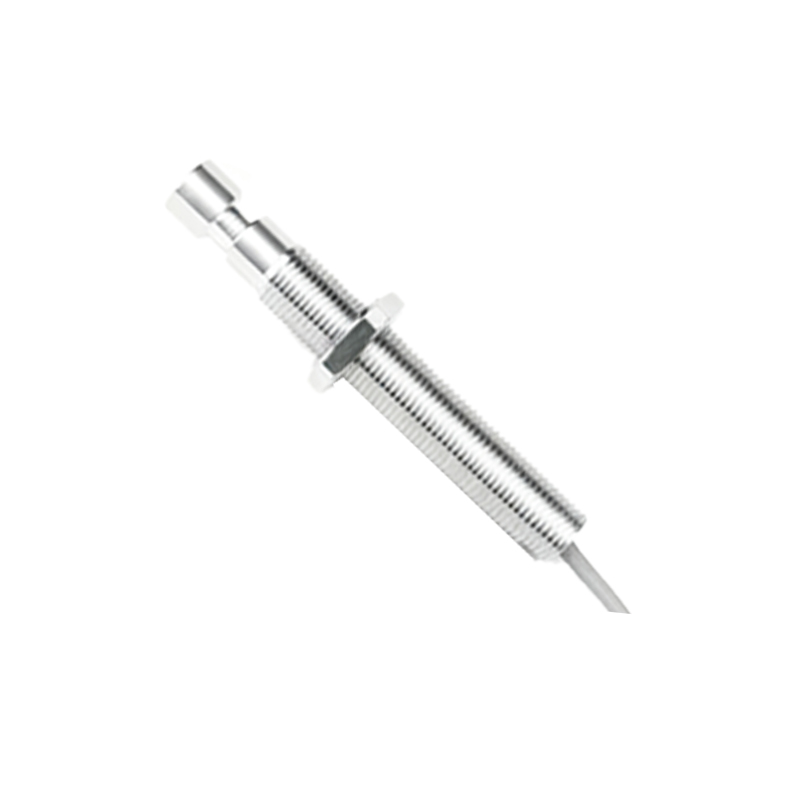
IFM Electronic and Turck round out the key players with a strong focus on ease of use and application-specific designs. IFM is known for its user-friendly diagnostic indicators (like LED status rings) and robust construction for mobile hydraulics and heavy equipment. Turck offers exceptional flexibility with its extensive range of form factors, connector styles, and high-temperature resistant models, catering to demanding applications in food & beverage and foundries.
Beyond these, specialized brands like Carlo Gavazzi for cost-effective reliability in building automation, or Panasonic for advanced photoelectric and fiber optic sensing, also hold significant market segments. The choice ultimately hinges on a matrix of factors: the target material (ferrous/non-ferrous metal, plastic, liquid), required sensing distance, environmental conditions (temperature, washdown, chemicals), electrical output (PNP/NPN, analog, IO-Link), and mechanical housing (cylindrical, rectangular, slot-style). A brand excelling in high-precision electronics assembly may not be the optimal choice for a gritty mining operation.
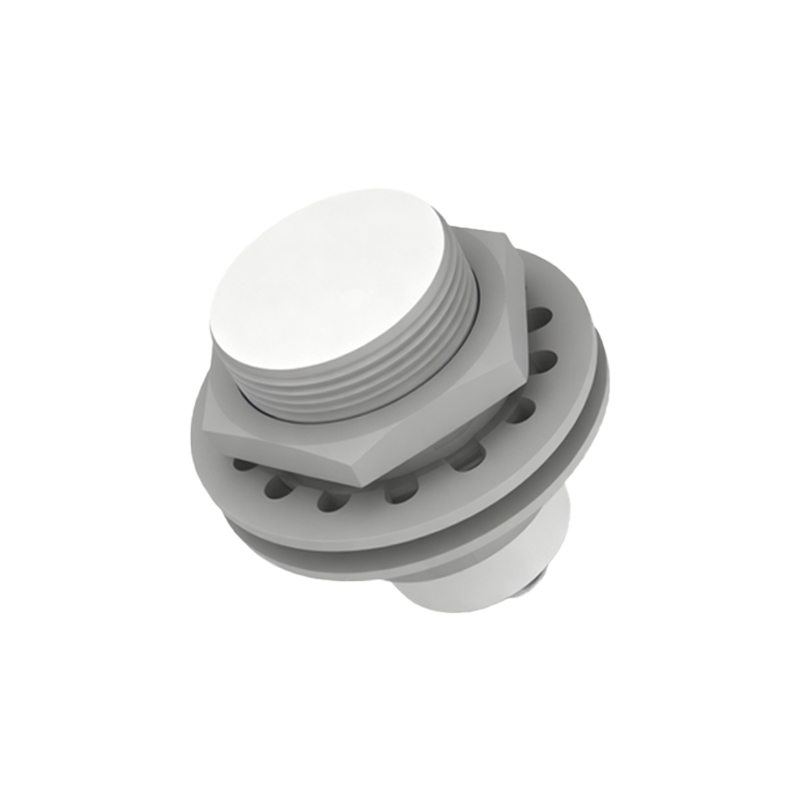
In conclusion, there is no single "best" brand for proximity switches. The optimal selection is a calculated decision balancing technical specifications, environmental demands, total cost of ownership, and integration requirements within the broader control architecture. A deep understanding of each brand's core competency allows the electrical engineer to specify the most reliable, efficient, and cost-effective sensing solution, ensuring the seamless and safe operation of modern automated systems.