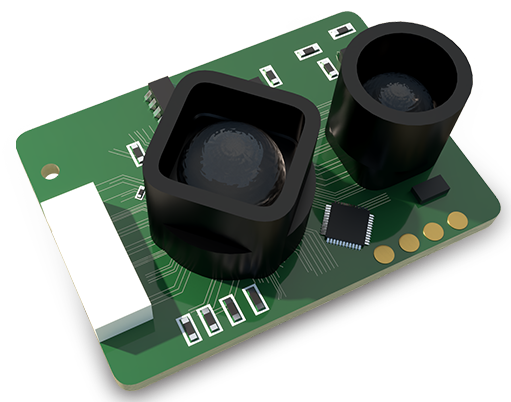
In the realm of industrial automation and precision measurement, single-beam laser sensors have established themselves as indispensable tools. Their operation is elegantly simple yet profoundly effective, enabling non-contact detection and measurement with remarkable accuracy and reliability. This article delves into the core principles, diverse applications, and critical considerations for selecting the right sensor for specific tasks.
At its heart, a single-beam laser sensor consists of a laser emitter and a receiver. The emitter projects a highly focused, coherent beam of light—typically visible red or infrared—towards a target. The receiver, positioned either opposite the emitter (through-beam mode) or adjacent to it (retro-reflective or diffuse reflective mode), detects changes in this beam. The fundamental principle involves monitoring the presence, interruption, or intensity modulation of this laser beam to determine an object's presence, position, height, or even profile.
The primary operating modes define their application scope. Through-beam sensors, with separate emitter and receiver units, offer the longest sensing ranges and highest reliability, as they detect the complete interruption of the beam. They are ideal for precise object detection, counting, and registration in high-speed packaging or assembly lines. Retro-reflective models use a single housing containing both emitter and receiver, relying on a reflector to bounce the beam back. They provide a practical balance of range and ease of installation for medium-distance tasks like pallet detection or door monitoring. Diffuse reflective sensors, also in a single housing, detect light scattered directly back from the target object itself. This mode is perfect for detecting objects at close range without a separate reflector, commonly used in robotics for proximity sensing or detecting variations in surface color or texture.
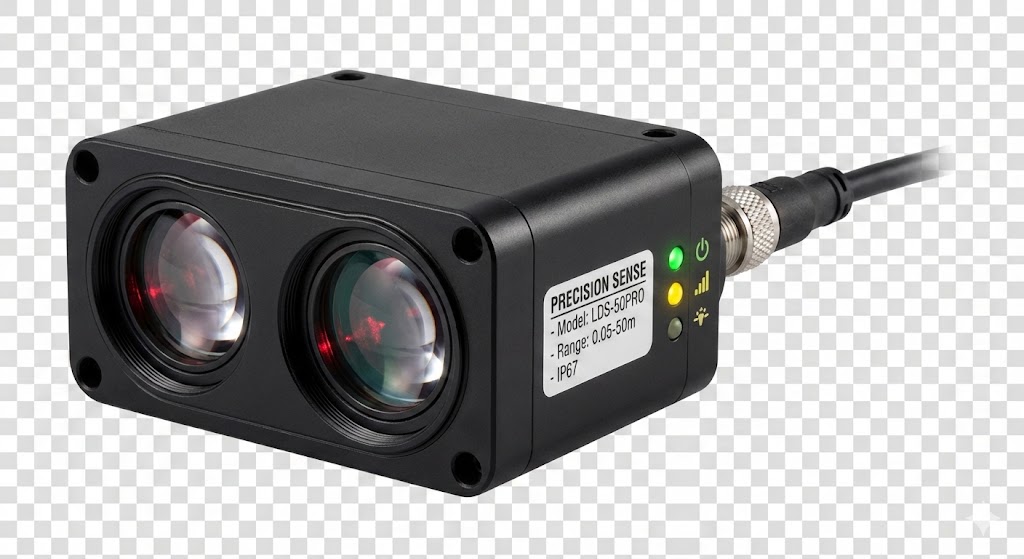
The advantages of single-beam laser sensors are compelling. Their non-contact nature eliminates mechanical wear and prevents damage to delicate objects. The focused laser beam provides exceptional precision, allowing for the detection of very small objects or precise edges. They are largely immune to ambient light interference, especially models with modulated laser light, ensuring stable operation in challenging industrial environments. Furthermore, their fast response time makes them suitable for high-speed production processes.
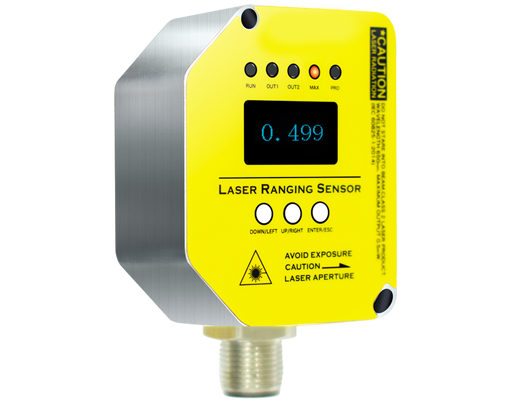
Applications span virtually every industry. In logistics and material handling, they count boxes, control conveyor gates, and ensure proper stacking. In electronics manufacturing, they verify component placement on PCBs and detect minute lead protrusions. The automotive industry relies on them for robot guidance, weld seam tracking, and part presence verification. In packaging, they ensure correct fill levels, label positioning, and tamper-evident seal checks.
Selecting the appropriate single-beam laser sensor requires careful analysis of several parameters. First, define the required sensing mode based on the installation constraints and object properties. Next, consider the sensing range or required beam length. The size of the target object is critical; the beam must be smaller than the feature to be detected. Environmental factors such as dust, fog, steam, or extreme temperatures may necessitate sensors with higher ingress protection (IP) ratings or specialized housings. The required output type (e.g., NPN, PNP, analog, IO-Link) must match the control system. Finally, consider mechanical aspects like housing size, mounting options, and alignment aids—many modern sensors feature visible laser spots and built-in alignment indicators for simplified setup.
In conclusion, single-beam laser sensors are a cornerstone of modern industrial automation. Their versatility, precision, and robustness solve countless detection and measurement challenges. By understanding their operating principles and carefully matching sensor specifications to the application's needs, engineers can significantly enhance system reliability, efficiency, and intelligence. As technology advances, we see integration of smarter features like advanced diagnostics and industrial communication protocols, further solidifying their vital role in the smart factory of the future.