In the global industrial automation market, proximity sensors are indispensable components, widely used for object detection, positioning, and control without physical contact. For businesses engaged in export operations, sourcing cost-effective proximity sensors is crucial to maintaining competitive pricing and healthy profit margins. This article explores key factors and strategies for identifying affordable yet reliable proximity sensor suppliers for export purposes.
When evaluating affordability, it's essential to consider the total cost of ownership rather than just the initial purchase price. Factors such as sensor durability, compatibility with existing systems, and maintenance requirements significantly impact long-term expenses. Inductive, capacitive, and photoelectric proximity sensors each have distinct price points and applications. Inductive sensors, for instance, are generally more economical for metal detection in manufacturing lines, while photoelectric sensors might offer better value for non-metal detection in packaging industries.
Several regions are renowned for producing competitively priced proximity sensors suitable for export. Suppliers in East Asia, particularly in China and Taiwan, often provide a wide range of options with attractive pricing due to economies of scale and mature manufacturing ecosystems. European manufacturers, while sometimes higher in base cost, may offer advantages in precision and certification compliance, which can reduce logistical or regulatory hurdles in export markets. Emerging manufacturing hubs in Southeast Asia and Eastern Europe are also gaining traction for balancing cost and quality.
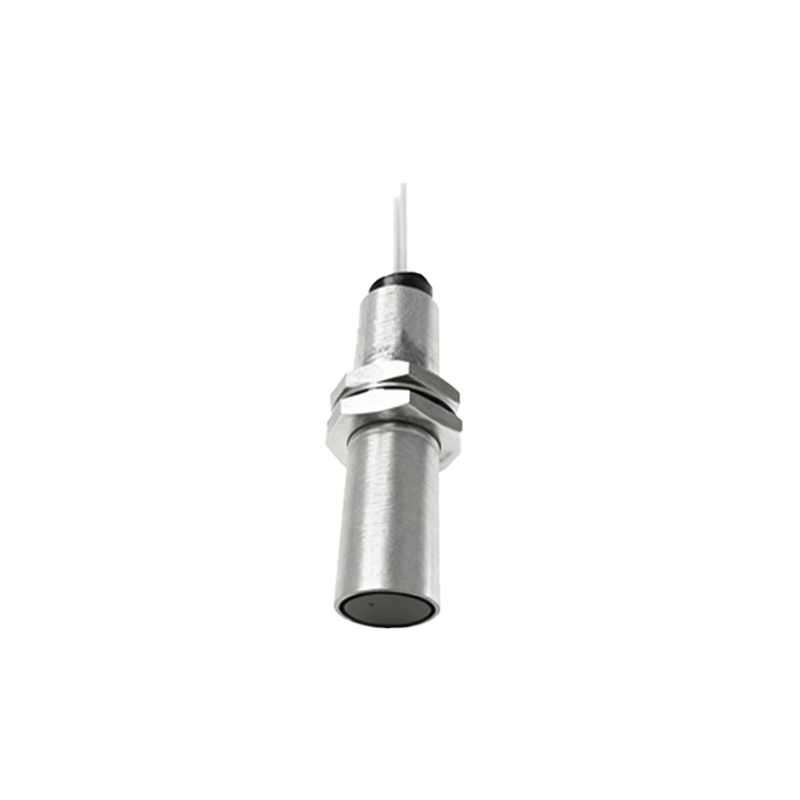
To identify affordable suppliers, businesses should leverage online B2B platforms like Alibaba, Global Sources, or industry-specific directories. These platforms allow for direct comparison of specifications, prices, and supplier credentials. Requesting samples is a prudent step to verify performance before bulk ordering. Additionally, attending international trade fairs, such as Hannover Messe or SPS IPC Drives, provides opportunities to negotiate directly with manufacturers and assess product quality firsthand.
Another effective approach is to consider white-label or OEM suppliers who produce sensors that meet technical standards without brand premiums. These suppliers often offer customizable solutions at lower costs, though it's vital to verify their quality control processes and adherence to international standards like IEC 60947-5-2. Certifications such as CE, RoHS, or UL can indicate reliability, even from budget-friendly sources.
Volume discounts are common in this industry. Exporters planning large orders should negotiate pricing tiers with suppliers. Establishing long-term partnerships can also lead to better terms and priority support. However, beware of prices that seem excessively low, as they may correlate with inferior materials or inconsistent performance, leading to higher failure rates and potential damage to your export reputation.
In summary, finding affordable proximity sensors for export involves researching global supplier landscapes, prioritizing value over mere cheapness, and conducting thorough due diligence. By focusing on technical suitability, supplier reliability, and total cost efficiency, exporters can secure products that enhance their competitive edge in international markets.