Proximity sensors are indispensable components in modern industrial automation, enabling non-contact detection of objects with high precision and reliability. Selecting the right proximity sensor for a specific application requires careful evaluation of multiple technical and environmental factors. This article outlines critical considerations to ensure optimal performance, longevity, and cost-effectiveness.
First, determine the sensing requirements based on the application. Identify the type of target material—ferrous metals, non-ferrous metals, or non-metallic materials—as this directly influences the choice of sensor technology. Inductive sensors are ideal for detecting metallic objects, while capacitive sensors can handle non-metallic materials like plastics, liquids, or granular substances. For long-range detection or transparent objects, photoelectric sensors may be preferable, though they are more sensitive to environmental conditions like dust or ambient light.
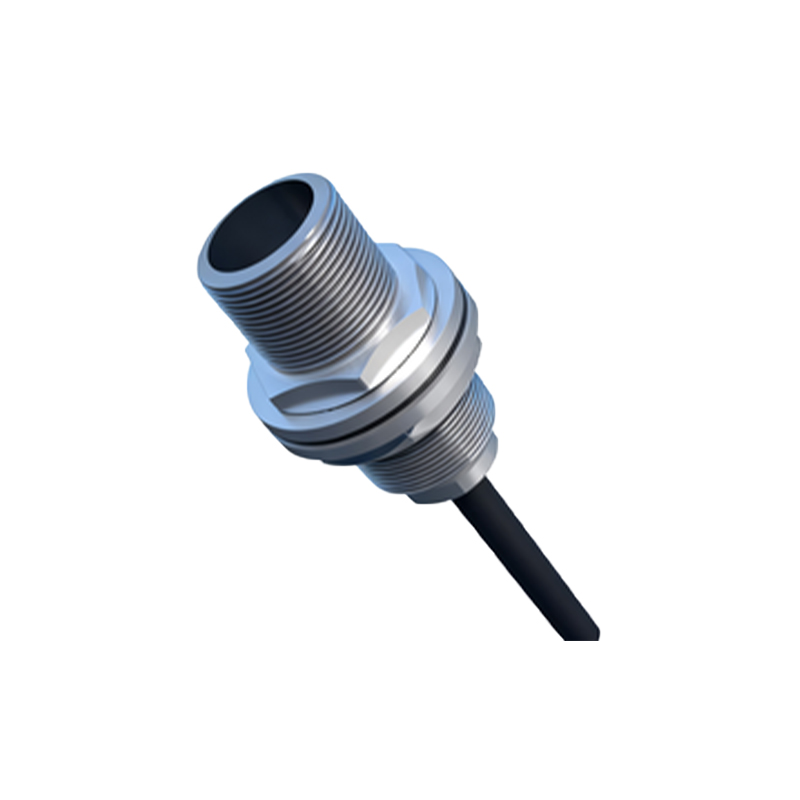
Next, consider the operating environment. Industrial settings often involve extreme temperatures, humidity, vibration, or exposure to chemicals. Ensure the sensor’s housing material (e.g., stainless steel, PBT plastic) and ingress protection (IP) rating align with environmental conditions. For instance, sensors in washdown areas or outdoor installations require high IP ratings (e.g., IP67 or IP69K) to resist water and dust ingress. Additionally, evaluate electromagnetic interference (EMI) levels, as proximity sensors can be affected by nearby motors or frequency converters. Shielding or choosing models with robust EMI immunity is essential in such scenarios.
The sensing range and mounting constraints are equally crucial. Proximity sensors have specified nominal sensing distances, but real-world performance can vary due to target size, shape, and material. Always account for a safety margin—typically 10–20%—to compensate for tolerances. Flush-mounted sensors are suitable for tight spaces, as they can be installed without protruding, while non-flush models offer longer ranges but require clearance around the sensing face. Ensure proper alignment and avoid metal-to-metal contact to prevent false triggers or damage.
Output configuration and electrical compatibility must match the control system. Common output types include NPN (sinking), PNP (sourcing), analog, or IO-Link for digital communication. Verify the voltage supply (e.g., 10–30 V DC) and load current capacity to prevent overloading. For hazardous areas, select intrinsically safe or explosion-proof certifications (e.g., ATEX, IECEx). Additionally, consider response time and switching frequency—high-speed applications like packaging or robotics demand sensors with fast response (microseconds) and high switching rates.
Finally, factor in lifecycle costs and maintenance. While initial price is important, durability and reliability reduce downtime and replacement expenses. Look for sensors with LED indicators for diagnostics, rugged construction, and warranties. Standardization across facilities can simplify inventory management and troubleshooting. Collaborate with suppliers to test samples in real conditions before full-scale deployment.
In summary, successful proximity sensor selection hinges on a holistic analysis of target properties, environmental challenges, technical specifications, and integration needs. By prioritizing these aspects, engineers can enhance system efficiency, minimize failures, and achieve sustainable automation solutions.