Proximity sensors are essential components in modern industrial automation, enabling non-contact detection of objects within a defined range. These sensors are categorized based on their underlying circuit technologies, each suited to specific applications and environmental conditions. The primary circuit classifications include inductive, capacitive, ultrasonic, and photoelectric proximity sensors, with each type employing distinct electronic principles to achieve detection.
Inductive proximity sensors utilize an electromagnetic field generated by a coil and oscillator circuit. When a metallic object enters this field, eddy currents are induced, causing a change in the circuit's oscillation amplitude. This alteration is detected by a threshold circuit, which triggers an output signal, typically through a solid-state switch. These sensors are ideal for detecting ferrous and non-ferrous metals, with operating frequencies ranging from 10 Hz to 1 kHz. Their circuits often incorporate shielding to minimize interference and ensure stable performance in industrial settings, such as conveyor systems or robotic arms.
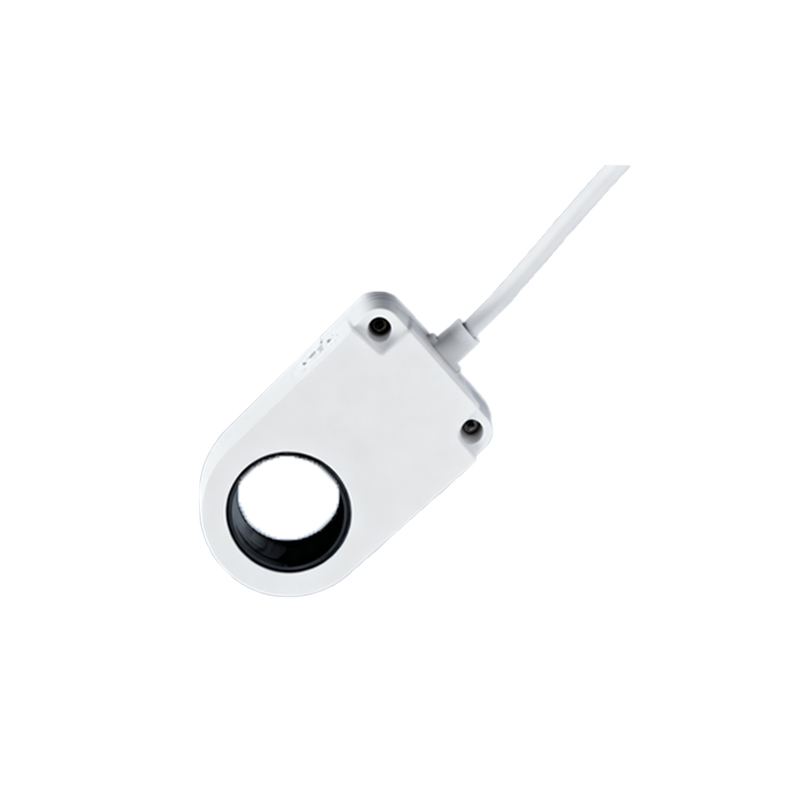
Capacitive proximity sensors function by measuring changes in capacitance between the sensor's electrode and a target object. The circuit includes an RC oscillator, where the capacitance variation alters the oscillation frequency. When the frequency shift exceeds a set threshold, an output is activated. Unlike inductive types, capacitive sensors can detect non-metallic materials like plastics, liquids, or granular substances. Advanced circuits in these sensors feature sensitivity adjustments to compensate for environmental factors like humidity, making them suitable for level detection in tanks or packaging lines.
Ultrasonic proximity sensors rely on piezoelectric transducers to emit high-frequency sound waves (typically 20 kHz to 200 kHz). The circuit comprises a transmitter and receiver section, with a timer measuring the echo return time. By calculating the time-of-flight, the sensor determines object presence and distance. These circuits often include temperature compensation modules to account for sound speed variations, ensuring accuracy in diverse conditions. Applications include object positioning in logistics and collision avoidance in automated guided vehicles (AGVs).

Photoelectric proximity sensors use light beams, usually infrared or laser, to detect objects. Their circuits involve an emitter (LED or laser diode) and a receiver (phototransistor or photodiode). In through-beam configurations, the receiver detects beam interruption, while diffuse-reflective types rely on light reflection from the target. Circuit designs incorporate modulation techniques to filter ambient light interference, with digital signal processors (DSPs) enhancing response times. These sensors excel in high-speed counting or transparent object detection, such as in bottling plants.
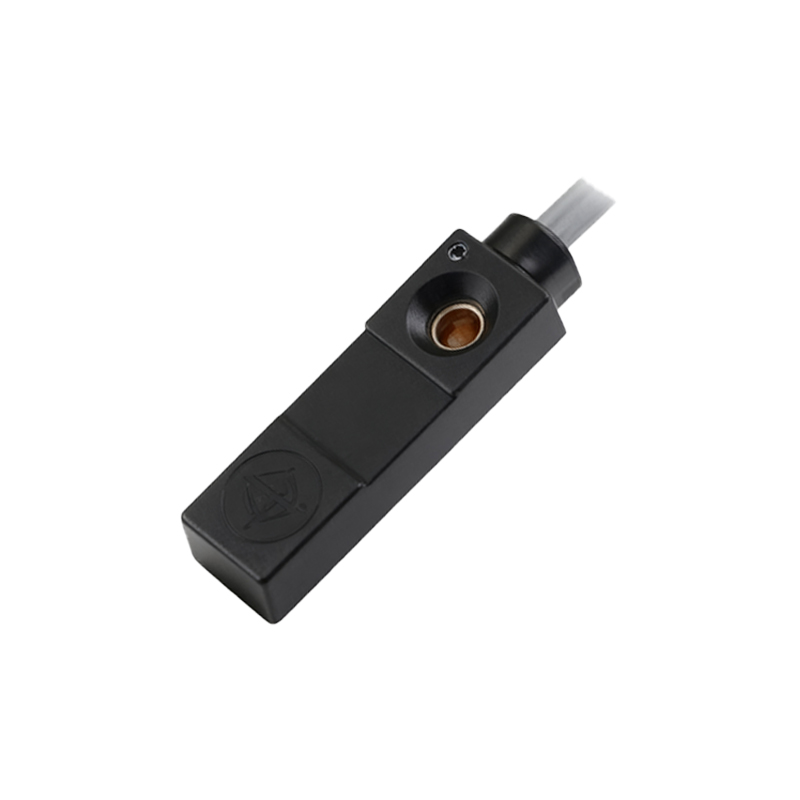
Each circuit type integrates protection features like short-circuit and reverse polarity protection, adhering to IP67 or higher standards for durability. Selection depends on factors like sensing distance, material composition, and environmental noise. For instance, inductive circuits are preferred in metal-heavy environments, while capacitive variants handle diverse materials. Future trends include IoT-enabled circuits with analog outputs (4-20 mA) and IO-Link communication for real-time diagnostics, aligning with Industry 4.0 advancements.
In summary, proximity sensor circuits are engineered to balance sensitivity, speed, and reliability. Understanding their classifications aids in optimizing automation systems, reducing downtime, and improving safety. As technology evolves, hybrid circuits combining multiple principles may emerge, offering enhanced versatility for complex industrial challenges.