In the rapidly evolving landscape of industrial automation, proximity sensors have become indispensable components, enabling precise detection, positioning, and control without physical contact. These devices, which utilize electromagnetic fields, infrared light, or ultrasonic waves to sense the presence of objects, are critical for enhancing efficiency, safety, and reliability in manufacturing, automotive, and robotics applications. Among the myriad of companies operating in this sector, a few stand out due to their technological innovations, product quality, and market influence.
One of the foremost leaders in the proximity sensor industry is Sick AG, a German-based company renowned for its high-precision sensors and robust solutions. Sick's proximity sensors are celebrated for their durability in harsh environments, offering resistance to dust, moisture, and extreme temperatures. The company invests heavily in research and development, focusing on integrating IoT capabilities and smart diagnostics into their products. This allows for predictive maintenance, reducing downtime and operational costs for clients. Sick's global presence and comprehensive support network further solidify its position as a top choice for industries requiring reliable automation components.
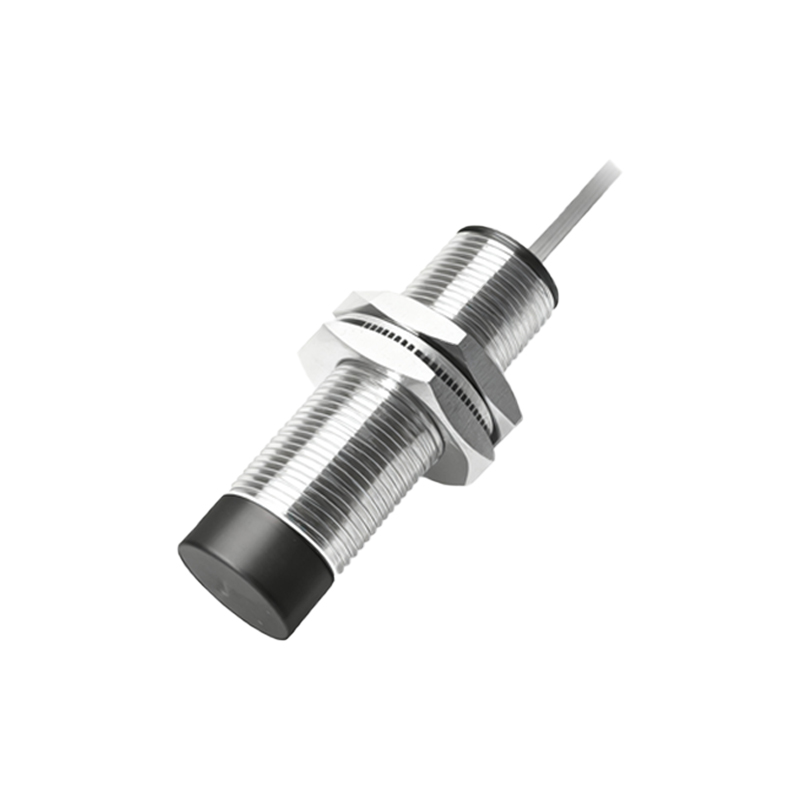
Another key player is Omron Corporation, a Japanese multinational that has pioneered advancements in sensor technology. Omron's proximity sensors are known for their compact design, energy efficiency, and versatility. The company emphasizes user-friendly features, such as easy installation and calibration, making their products accessible to both large-scale manufacturers and small businesses. Omron's commitment to innovation is evident in its development of sensors with enhanced sensing ranges and immunity to electrical noise, which are crucial for high-speed automation lines. Additionally, Omron's focus on sustainability aligns with modern industrial trends, offering eco-friendly options that minimize environmental impact.
Pepperl+Fuchs, also based in Germany, is a dominant force in the proximity sensor market, particularly in hazardous and explosive environments. The company specializes in intrinsically safe sensors that comply with stringent international safety standards, such as ATEX and IECEx. Pepperl+Fuchs' products are engineered for longevity and precision, with features like self-monitoring and fail-safe mechanisms. Their expertise in customization allows them to cater to niche applications, from chemical plants to oil refineries, where reliability is paramount. The company's strong emphasis on quality control and continuous improvement has earned it a loyal customer base worldwide.
In the United States, Rockwell Automation stands out for its integrated approach to industrial automation. Rockwell's proximity sensors are part of a broader ecosystem that includes controllers, software, and networking solutions. This integration facilitates seamless communication between devices, enhancing overall system performance. Rockwell's sensors are designed for easy compatibility with their Allen-Bradley product line, offering plug-and-play functionality that simplifies upgrades and expansions. The company's focus on digital transformation, through tools like augmented reality for maintenance and data analytics, provides clients with actionable insights to optimize operations.
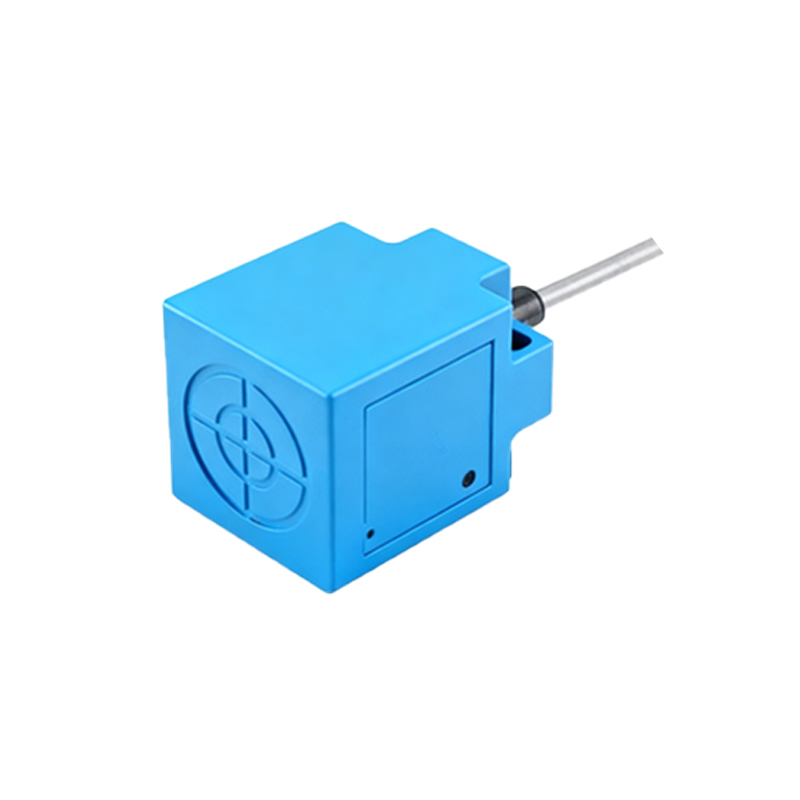
Balluff GmbH, another German contender, excels in providing innovative sensor solutions with a focus on flexibility and connectivity. Balluff's proximity sensors feature advanced technologies like IO-Link, which enables real-time data exchange and parameterization. This connectivity supports Industry 4.0 initiatives, allowing for smarter factories with enhanced monitoring and control. Balluff's product range includes miniature sensors for space-constrained applications, as well as robust models for heavy-duty use. Their commitment to customer service, including technical support and training programs, ensures that clients can maximize the benefits of their investments.
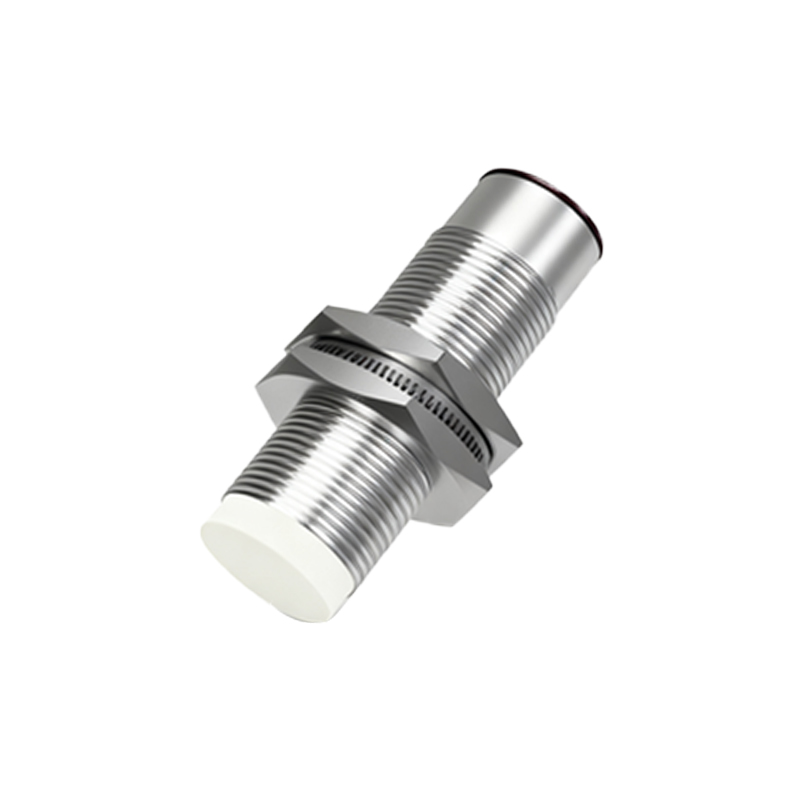
The competitive advantages of these leading companies stem from several common factors. First, continuous investment in R&D drives technological breakthroughs, such as improved sensing accuracy and wireless capabilities. Second, a global distribution and support network ensures timely delivery and assistance, which is vital for maintaining production schedules. Third, adherence to international standards and certifications builds trust among clients in regulated industries. Lastly, a customer-centric approach, involving tailored solutions and after-sales service, fosters long-term partnerships.
As industries increasingly adopt automation and smart manufacturing, the demand for advanced proximity sensors is expected to grow. Companies that prioritize innovation, quality, and sustainability will likely maintain their leadership positions. For businesses seeking reliable proximity sensor solutions, partnering with established providers like Sick, Omron, Pepperl+Fuchs, Rockwell, and Balluff can offer significant advantages in terms of performance, safety, and return on investment. By leveraging their expertise, industries can achieve higher levels of efficiency and competitiveness in the global market.