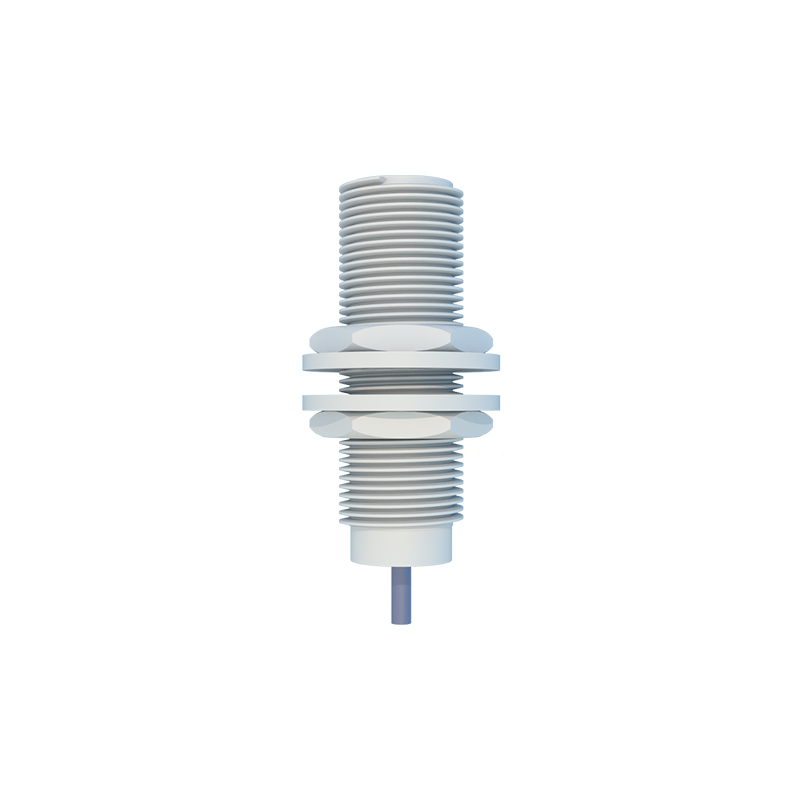
Proximity sensors are pivotal components in modern industrial automation, offering non-contact detection of objects with high precision and reliability. This case study explores a real-world application in a high-speed packaging line, where inductive proximity sensors were implemented to enhance efficiency and reduce downtime.
In the packaging facility, the primary challenge was the frequent misalignment of product containers on a conveyor belt, leading to jams and production halts. The existing mechanical limit switches were prone to wear and required regular maintenance, causing significant operational delays. To address this, engineers replaced the switches with cylindrical inductive proximity sensors, which detect metallic objects without physical contact. These sensors were installed at critical points along the conveyor to monitor container positions in real-time.
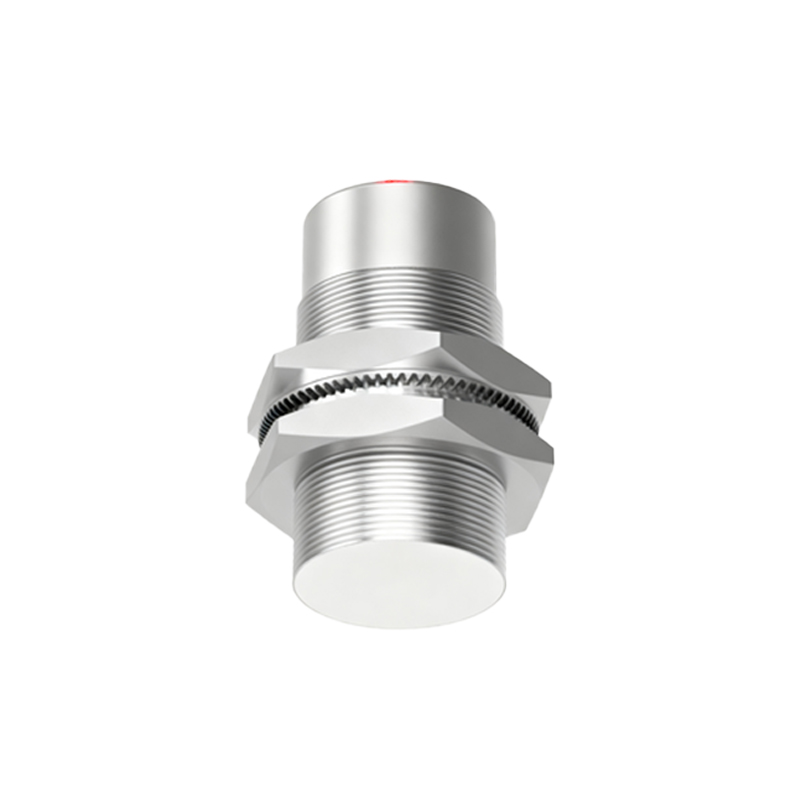
The inductive sensors operate based on electromagnetic fields, generating an output signal when a metal container enters their detection range. With a sensing distance of up to 15 mm and a response time of less than 1 millisecond, they provided rapid and accurate feedback to the programmable logic controller (PLC). This enabled immediate adjustments to the conveyor speed and actuator movements, ensuring smooth container flow. Additionally, the sensors' robust housing (IP67 rating) made them resistant to dust, moisture, and mechanical vibrations, common in industrial environments.
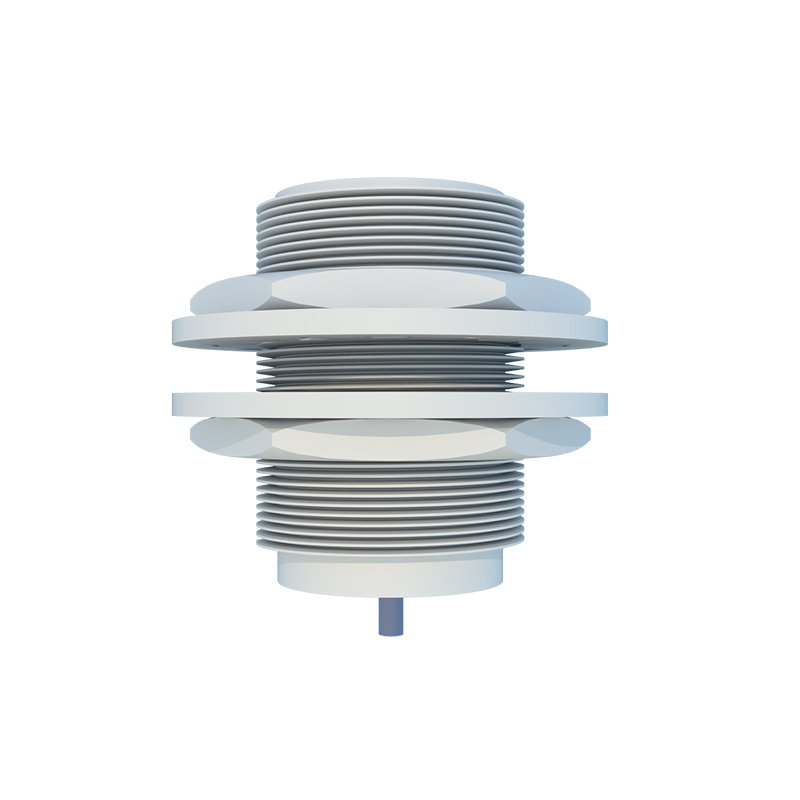
Results from the implementation were substantial. Downtime due to jams decreased by 70% within the first month, while maintenance costs dropped by 40% as the non-contact design eliminated wear parts. The sensors also contributed to energy savings by optimizing motor operations based on real-time data. Furthermore, the system's scalability allowed for easy integration with existing IoT platforms, enabling predictive maintenance through data analytics on sensor performance trends.
This case highlights key advantages of proximity sensors: durability, fast response, and compatibility with automated systems. For industries seeking to upgrade legacy equipment, such sensors offer a cost-effective solution to improve productivity. Future trends may involve incorporating smart sensors with embedded diagnostics or using capacitive types for non-metallic object detection, expanding applications in food processing or pharmaceutical sectors.
In summary, proximity sensors are transformative in industrial settings, as demonstrated by this packaging line case. By leveraging their non-contact detection capabilities, companies can achieve higher operational efficiency and reduced lifecycle costs, paving the way for smarter, more resilient automation systems.