In the industrial automation and electrical engineering sectors, proximity sensors are critical components for ensuring safety, precision, and efficiency in machinery and production lines. However, the market is increasingly flooded with counterfeit proximity sensors, posing significant risks to operations, personnel safety, and equipment longevity. As a seasoned electrical industry engineer, I aim to provide a comprehensive, actionable guide on identifying, handling, and mitigating the dangers associated with these fraudulent products.
The first and most crucial step is accurate identification. Genuine proximity sensors from reputable manufacturers like Siemens, Omron, or Schneider Electric exhibit consistent build quality. Counterfeit units often have subtle flaws: misspelled brand names or model numbers on labels, inconsistent coloring or finish, poorly molded plastic housings with visible seams or flash, and lightweight construction due to substandard materials. Internally, counterfeit sensors may use inferior electronic components, lack proper conformal coating, or have sloppy soldering. Performance-wise, they frequently demonstrate inconsistent sensing ranges, reduced switching frequency, higher operating temperature, and shorter operational lifespan under standard industrial conditions. Engineers should always verify the authenticity by purchasing directly from authorized distributors or using the manufacturer's official verification tools, such as QR code scans or serial number checks on their websites.
Upon discovering a suspected counterfeit sensor in your inventory or installed on a machine, immediate and systematic action is required. Do not ignore it or assume it will function adequately "for now." The risks are too high. The recommended procedure is as follows:
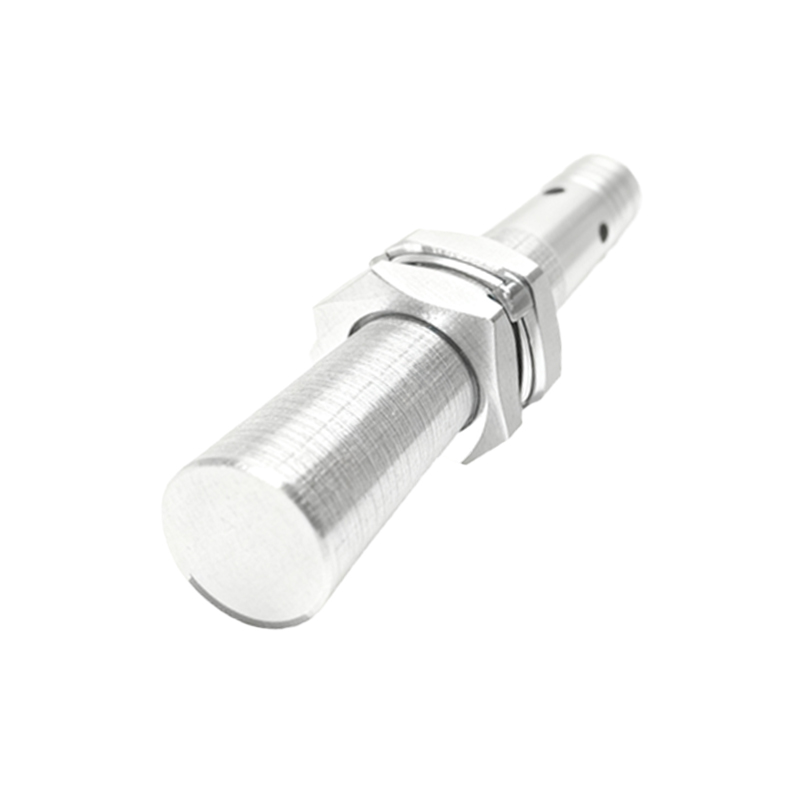
1. Isolate and Document: Immediately remove the suspect sensor from service. Clearly label it as "Suspected Counterfeit - Do Not Use" and isolate it from genuine parts. Document all relevant details: where it was purchased (supplier, invoice number), the supposed brand and model, the machine it was installed on, and any observed performance issues or failures. Photograph the sensor, focusing on labels, logos, and any physical defects.
2. Assess the Impact: Determine the potential consequences of the sensor's failure. Was it used in a safety-critical application? Could its failure cause machine damage, production downtime, or a safety incident? This assessment will guide the urgency and scope of your corrective actions.
3. Replace with Certified Genuine Parts: Source a replacement sensor from a verified, authorized supplier. Do not simply purchase another unit from the same source as the counterfeit. When installing the genuine sensor, consider it an opportunity to inspect the entire circuit—check wiring, connectors, and the power supply for any damage that might have been caused or exacerbated by the faulty component.
4. Investigate the Supply Chain: Report the incident to your purchasing department. Provide all documentation to trace the counterfeit back to the supplier. A reputable supplier will take this seriously and investigate their own supply chain. Cease all business with suppliers who are uncooperative or are found to be knowingly distributing counterfeit goods.
5. Notify the Genuine Manufacturer: Most major manufacturers have dedicated brand protection or anti-counterfeiting departments. Reporting your findings to them is a professional responsibility. They can add your data to their investigations, potentially issue market warnings, and may offer support in verifying other components you have in stock.
The long-term strategy to avoid counterfeit proximity sensors revolves around robust procurement and quality assurance practices. Implement a strict supplier qualification process. Prioritize authorized distributors and established, reputable industrial suppliers over unknown online marketplaces that offer prices that seem "too good to be true"—they often are. Develop an incoming inspection protocol for critical components. This doesn't require a full lab; a visual inspection against a known genuine sample and a basic functional test can catch many fakes. Educate all personnel involved in procurement, maintenance, and engineering about the risks and identification techniques for counterfeit components.
Furthermore, consider the total cost of ownership. A counterfeit sensor may have a lower upfront cost, but the potential costs of unplanned downtime, product quality defects, machine repair, and safety incidents are exponentially higher. Investing in genuine parts is an investment in system reliability, safety, and overall operational cost-effectiveness.
In conclusion, dealing with counterfeit proximity sensors is not merely a procurement issue; it is a core engineering responsibility affecting system integrity. A proactive stance—combining vigilant identification, immediate containment upon discovery, thorough reporting, and strengthening of supply chain controls—is essential for protecting industrial assets and ensuring a safe, productive working environment. The integrity of your control system depends on the integrity of its smallest components.