In the realm of industrial safety and environmental monitoring, the detection of methane gas remains a critical priority. Methane, a primary component of natural gas, is not only highly flammable but also a potent greenhouse gas. Traditional detection methods, such as catalytic bead or electrochemical sensors, have served industries for decades. However, the advent of laser-based methane sensors represents a significant technological leap, offering unparalleled precision, reliability, and safety. This article delves into the operational principles, diverse applications, and distinct advantages of laser methane sensors, providing a comprehensive overview for professionals in the electrical, oil and gas, and safety engineering sectors.
At the core of a laser methane sensor is Tunable Diode Laser Absorption Spectroscopy (TDLAS). This technology exploits the fundamental principle that gas molecules absorb specific wavelengths of infrared light. Methane molecules have unique absorption lines in the near-infrared spectrum. The sensor emits a precisely tuned laser beam at a wavelength that corresponds to one of these absorption lines. As the beam passes through the target area, methane molecules present absorb a portion of the light. A photodetector on the opposite side, or in a reflective configuration, measures the intensity of the transmitted or backscattered light. The degree of absorption is directly proportional to the concentration of methane gas along the beam path. This method is highly selective, as the laser is tuned to a wavelength absorbed almost exclusively by methane, minimizing cross-sensitivity to other gases.
The applications for laser methane sensors are vast and growing. In the oil and gas industry, they are indispensable for leak detection along pipelines, at compressor stations, and within processing plants. Their ability to perform remote, non-contact sensing allows for the inspection of hard-to-reach or hazardous areas from a safe distance, enhancing worker safety. In coal mining, these sensors provide continuous monitoring of methane levels to prevent explosive accumulations. Furthermore, they play a crucial role in environmental protection by monitoring landfill gas emissions and detecting leaks from biogas facilities. Utilities companies deploy them for surveying natural gas distribution networks in urban areas. The technology also supports research in atmospheric science for tracking methane fluxes.
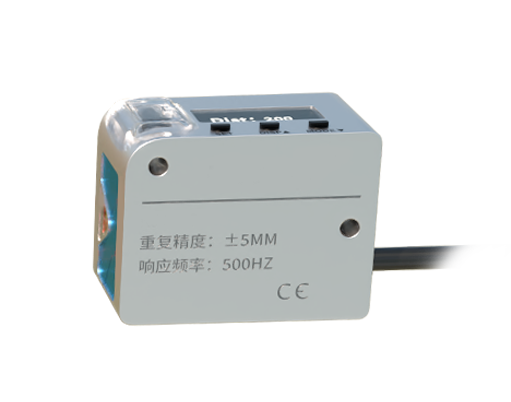
Several key advantages distinguish laser methane sensors from conventional detectors. Firstly, their selectivity is exceptional. By targeting a specific absorption line, they are virtually immune to interference from other gases like water vapor, carbon dioxide, or volatile organic compounds, which often plague other sensor types and lead to false alarms. Secondly, they offer a fast response time, typically in the range of seconds, enabling real-time monitoring and rapid leak identification. Thirdly, they require minimal maintenance. Unlike catalytic bead sensors that can be poisoned by certain chemicals or require oxygen to function, laser sensors have no consumable parts and are not degraded by exposure to high gas concentrations. Their longevity and stability reduce total cost of ownership over time. Additionally, many laser methane sensors are capable of quantitative measurement over a path, providing an integrated concentration reading (e.g., ppm-meters) rather than a point measurement, which is more representative of leak magnitude.
Modern implementations often feature open-path configurations, where the laser beam travels over distances from a few meters to several hundred meters. This creates a "fence" or curtain of detection, offering wide-area surveillance that is impossible with point detectors. These systems are integrated with sophisticated software for data logging, visualization, and alarm generation, feeding into centralized control and safety systems. While the initial investment for a laser-based system may be higher than for traditional point sensors, the operational benefits—reduced false alarms, lower maintenance, enhanced safety coverage, and regulatory compliance—deliver a compelling return on investment.
In conclusion, laser methane sensors embody a transformative approach to gas detection. Their foundation in TDLAS technology provides a blend of selectivity, speed, and reliability that meets the stringent demands of modern industry. As safety regulations tighten and the focus on environmental stewardship intensifies, the adoption of this advanced sensing technology is set to expand, offering engineers and safety professionals a powerful tool to mitigate risks associated with methane gas.