Proximity sensors are fundamental components in modern industrial automation, providing non-contact detection of objects within a specific range. Unlike traditional mechanical limit switches, these devices operate without physical contact, offering superior reliability, longevity, and speed. Their core principle revolves around generating an electromagnetic field or beam and detecting changes in that field caused by the presence of a target object. The absence of moving parts minimizes wear and tear, making them ideal for harsh environments with dust, moisture, or repetitive operations.
The most common types are inductive, capacitive, and photoelectric sensors. Inductive proximity sensors are the workhorses for metal detection. They contain a coil wound around a ferrite core, an oscillator, a detection circuit, and an output circuit. When powered, the oscillator generates a high-frequency alternating electromagnetic field at the sensor's active face. When a metallic object enters this field, eddy currents are induced on the metal's surface. These currents draw energy from the oscillator, causing its amplitude to decrease. The sensor's detection circuit monitors this amplitude change. Once the drop reaches a predetermined threshold, the output circuit is triggered, switching the sensor's state (e.g., from OFF to ON). The sensing distance depends on the actuator material, with ferrous metals like iron and steel providing the longest range, while non-ferrous metals like aluminum or copper have a shorter effective distance.
Capacitive proximity sensors, on the other hand, can detect both metallic and non-metallic materials, including liquids, plastics, wood, and granules. They function by measuring changes in capacitance. The sensor's active face acts as one plate of a capacitor, with the target object acting as the other plate, and the air gap as the dielectric. An internal oscillator is tuned so that it only oscillates when a target is present, changing the capacitance of the circuit. This change is evaluated, leading to an output signal. They are particularly useful for level detection in tanks (liquids or powders) or detecting non-metallic objects on conveyor belts.
Photoelectric sensors utilize light beams, typically infrared or laser. An emitter sends out a light beam, and a receiver detects it. The presence of an object is detected either by the interruption of the beam (through-beam type), by the reflection of the beam from the object (retro-reflective or diffuse reflective types). They offer the longest sensing ranges among proximity sensors and can detect virtually any material, provided it interrupts or reflects the light path. However, they can be susceptible to environmental factors like dirt, fog, or ambient light interference.
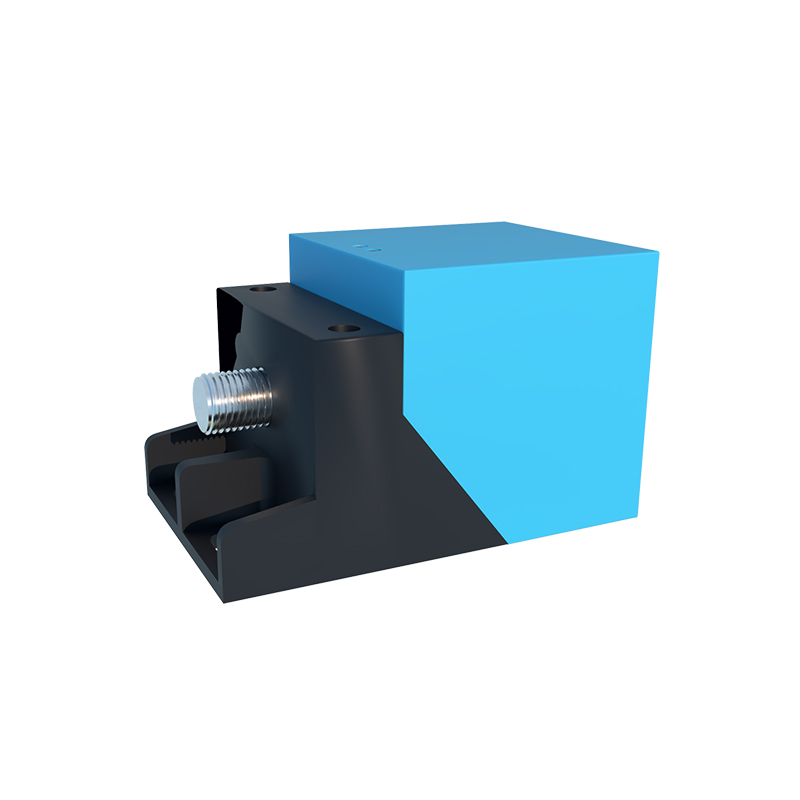
Ultrasonic sensors form another category, using sound waves beyond human hearing. They measure the time taken for a sound pulse to reflect off a target and return, calculating distance. This makes them excellent for precise distance measurement and level sensing, even for transparent or sound-absorbing materials under challenging conditions.
The output from these sensors is typically a discrete ON/OFF signal, provided via transistor (PNP or NCP sourcing/sinking) or relay contacts. This signal is fed into a Programmable Logic Controller (PLC) or other control system to initiate actions like counting, positioning, sorting, or safety interlocks. Key selection parameters include sensing distance, repeat accuracy, response frequency, output type, housing material (often nickel-plated brass or stainless steel for durability), and environmental protection ratings (IP67, IP69K).
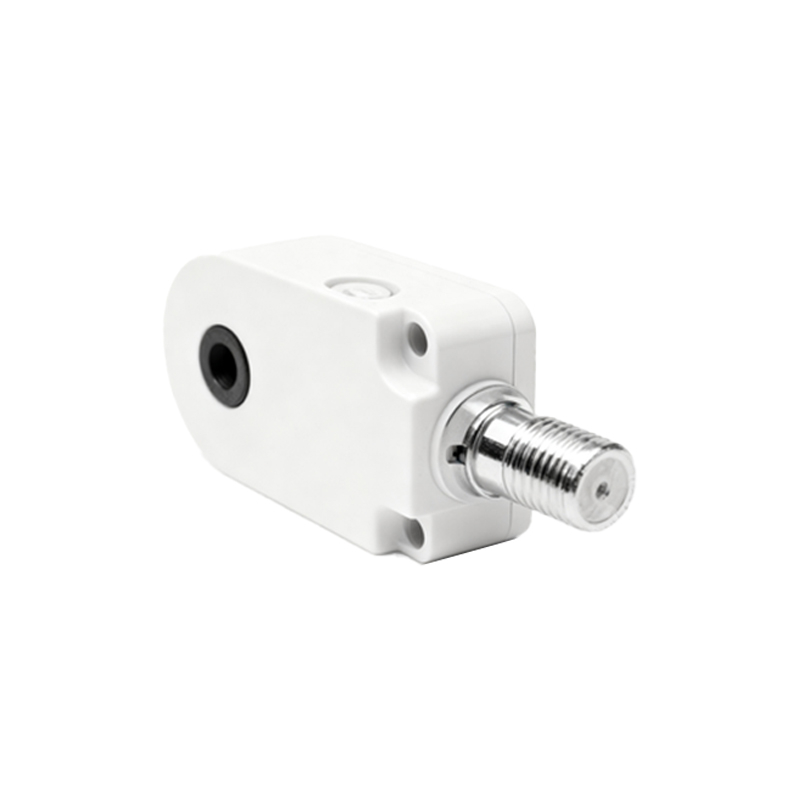
Applications are vast across manufacturing and processing. Inductive sensors are ubiquitous on assembly lines for detecting metal parts, monitoring robot arm positions, or checking for broken tools. Capacitive sensors control fill levels in bottling plants or detect presence of plastic caps. Photoelectric sensors are essential for object counting, packaging, and complex positioning tasks. Ultrasonic sensors manage bulk material levels in silos or ensure precise stacking in logistics.

In summary, proximity sensors are indispensable for enabling efficient, contactless, and reliable automation. Understanding their distinct operating principles—electromagnetic induction for metals, capacitance change for diverse materials, light beam interruption, or sound wave reflection—is crucial for selecting the right sensor. This ensures optimal performance in applications ranging from simple presence detection to complex precision measurement, driving productivity and safety in the industrial landscape.