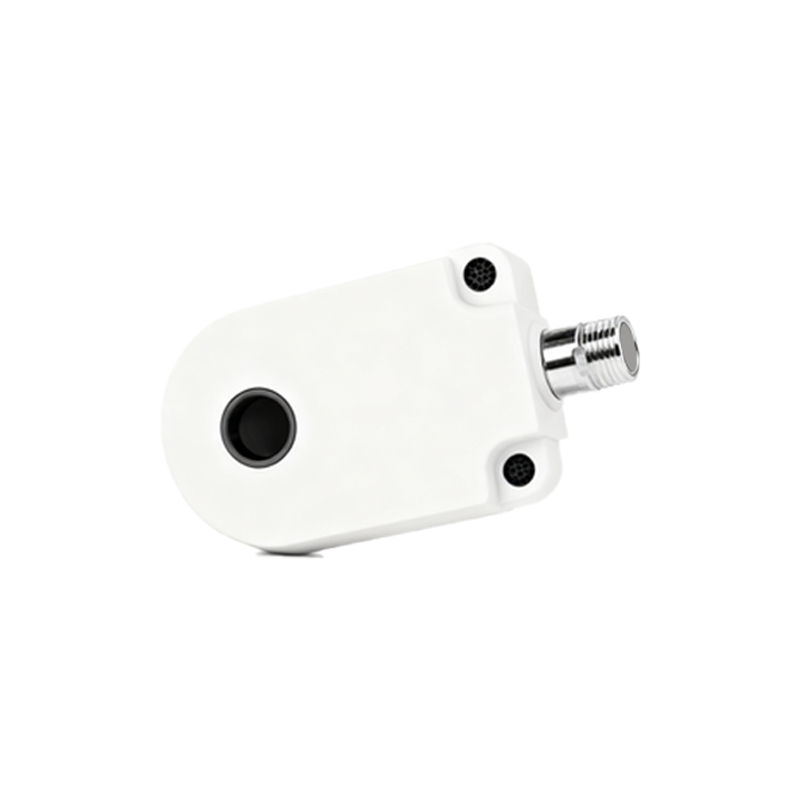
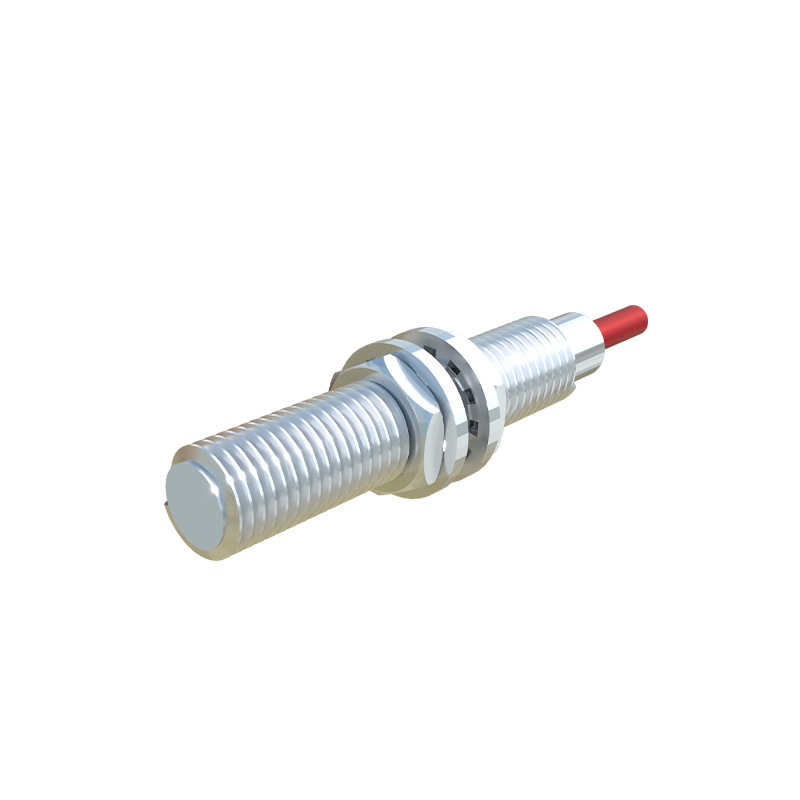
In the rapidly evolving landscape of industrial automation, metal proximity sensor companies stand as pivotal enablers of efficiency, safety, and precision. These specialized firms design and manufacture sensors that detect the presence or absence of metallic objects without physical contact, utilizing electromagnetic fields or eddy current principles. The core technology hinges on generating an oscillating electromagnetic field from a coil in the sensor. When a metallic target enters this field, it induces eddy currents, causing a change in the oscillation amplitude or frequency. This alteration is detected by the sensor's circuitry, triggering an output signal to control machinery—be it for positioning, counting, inspection, or safety interlocks in applications ranging from automotive assembly lines to food packaging and robotic systems.
Leading companies in this niche distinguish themselves through relentless innovation. Key advancements include miniaturization of sensor designs for tight spaces, enhanced sensing ranges that exceed traditional limits, and improved immunity to environmental interference such as temperature fluctuations, humidity, and electromagnetic noise from nearby equipment. The integration of smart features, like IO-Link communication, allows for real-time diagnostics, parameter adjustments, and predictive maintenance data, seamlessly fitting into Industry 4.0 frameworks. Materials and housing are also critical, with companies offering robust, stainless-steel or nickel-plated brass bodies rated for IP67 or higher, ensuring reliable operation in harsh conditions involving coolants, metal chips, or extreme pressures.
The competitive landscape is shaped by a focus on application-specific solutions. For instance, in the automotive sector, sensors must detect various alloys at high speeds on conveyor systems, while in metalworking, they face challenges from ferrous and non-ferrous swarf. Top-tier companies provide extensive product portfolios, including cylindrical, rectangular, and ring-shaped sensors, with options for analog or digital outputs, and specialized variants for high-temperature environments or weld-field immunity. Customer support, from engineering consultation to global supply chain logistics, forms another cornerstone of their value proposition.
Ultimately, the trajectory of metal proximity sensor companies is intertwined with broader industrial trends: the push for higher productivity, the demand for energy-efficient systems, and the rise of collaborative robotics requiring safe, accurate detection. By advancing sensing technology, these firms not only solve immediate operational challenges but also pave the way for more autonomous, responsive, and intelligent manufacturing ecosystems worldwide. Their role is fundamental, transforming simple detection into a data point that drives decision-making in connected factories.