In the realm of industrial automation and consumer electronics, the proximity sensor stands as a pivotal component, enabling devices to detect the presence or absence of nearby objects without physical contact. The factories dedicated to manufacturing these sophisticated devices are hubs of precision engineering and stringent quality assurance. This guide delves into the intricate operations within a modern proximity sensor factory, outlining the key processes that ensure reliability and performance.
The journey begins with the procurement of raw materials and core components. High-grade semiconductors, specialized plastics for housings, and various metals for sensing elements and connectors are sourced from certified suppliers. A reputable factory maintains a rigorous supplier qualification program, as the quality of these inputs directly impacts the final sensor's sensitivity, durability, and longevity. Upon arrival, all materials undergo incoming quality inspection (IQI) to verify specifications and reject any substandard batches.
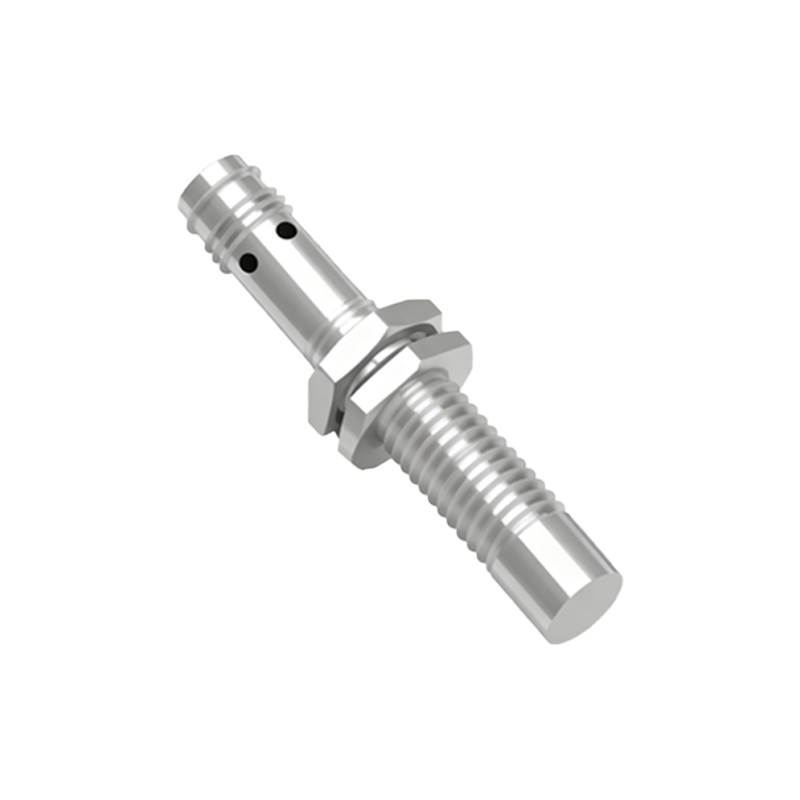
The heart of production lies in the cleanroom or controlled environment assembly lines. For inductive and capacitive proximity sensors, the precise winding of coils and placement of oscillator circuits are critical steps performed by automated machinery with micron-level accuracy. For photoelectric sensors, the alignment of the infrared LED emitter and the phototransistor receiver is paramount to ensure a consistent sensing range. Surface-mount technology (SMT) lines populate printed circuit boards (PCBs) with resistors, capacitors, and integrated chips at high speed. These automated processes minimize human error and ensure consistency across millions of units.
Following assembly, every sensor enters a phase of calibration and programming. This is where the generic component becomes a product with specified characteristics. Using calibrated test jigs, technicians adjust potentiometers or flash firmware to set parameters such as sensing distance, hysteresis, and output switching logic. For instance, a factory producing sensors for automotive applications will calibrate them to reliably detect a vehicle's position regardless of temperature fluctuations from -40°C to 125°C.
Quality control is not a single step but an integrated philosophy throughout the manufacturing cycle. In-process checks monitor soldering quality, component placement, and assembly integrity. The most demanding stage is final testing, often conducted in environmental chambers. Here, samples from each production batch are subjected to stress tests including thermal cycling, humidity exposure, vibration, and electrical overload. Functional testing verifies the switch-on and switch-off points, repeatability, and response time. A single failure in these tests can lead to a review of the entire batch.
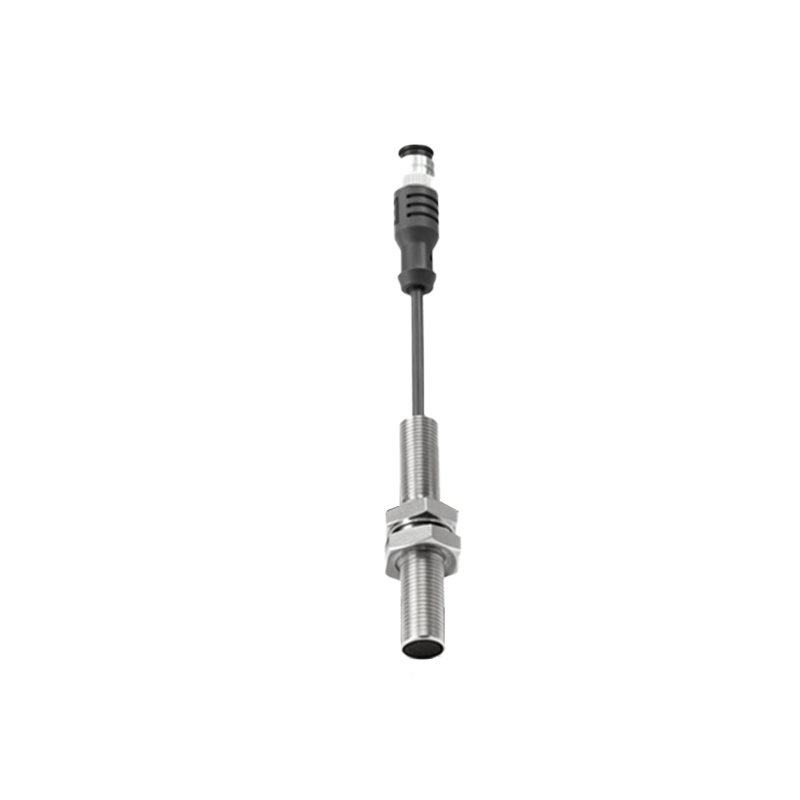
Beyond the production floor, a leading factory invests heavily in research and development (R&D). This department works on miniaturization, enhancing energy efficiency, developing new sensing technologies like Time-of-Flight (ToF), and improving resistance to environmental interference such as dust, water (achieving IP67 or higher ratings), and electromagnetic noise. Collaboration with clients from industries like robotics, mobile phones, automotive, and packaging machinery is common to develop custom solutions.
Finally, packaging and logistics are executed with care. Sensors are often packaged in anti-static materials or reeled for automated placement on customers' assembly lines. Barcoding and traceability systems allow each unit to be tracked back to its production date, batch, and test results—a crucial feature for industries with high accountability standards.
In conclusion, a proximity sensor factory is more than a collection of assembly lines; it is a complex ecosystem where precision engineering, relentless quality control, and continuous innovation converge. The unassuming sensor that prevents a smartphone screen from activating in a pocket or guides an industrial robot arm is the product of this meticulous, technology-driven environment. Choosing a manufacturer with a transparent, robust factory process is essential for any OEM seeking reliable, high-performance sensing components for their critical applications.