Small square proximity sensors represent a critical component in modern industrial automation, offering precise non-contact detection capabilities in a compact form factor. These sensors are engineered to detect the presence or absence of metallic objects without physical contact, utilizing electromagnetic fields or capacitive principles. Their square design allows for efficient integration into tight spaces on machinery, conveyor systems, and robotic arms, where traditional cylindrical sensors might not fit. Typically constructed with durable materials like nickel-plated brass or stainless steel housings, they withstand harsh industrial environments, including exposure to dust, moisture, and temperature variations.
One of the primary advantages of small square proximity sensors is their high switching frequency, enabling rapid detection in high-speed production lines. For instance, in packaging machinery, they ensure accurate positioning of items on moving belts, while in automotive assembly, they verify component placement. Inductive models are common for detecting ferrous metals, with sensing ranges varying from a few millimeters to several centimeters, depending on the specific model and target material. Capacitive versions, on the other hand, can detect non-metallic objects such as plastics, liquids, or wood, making them versatile for diverse applications like level sensing in tanks or material handling.
Installation and alignment are straightforward due to their square shape, which simplifies mounting on flat surfaces without rotation issues. Many models feature built-in LED indicators for status monitoring, reducing downtime during maintenance. When selecting a small square proximity sensor, engineers consider factors like operating voltage (commonly 10-30V DC or 20-250V AC), output type (PNP/NPN for DC, or relay-based for AC), and environmental ratings such as IP67 for water and dust resistance. Proper shielding is essential to minimize interference from adjacent sensors or electrical noise in dense installations.
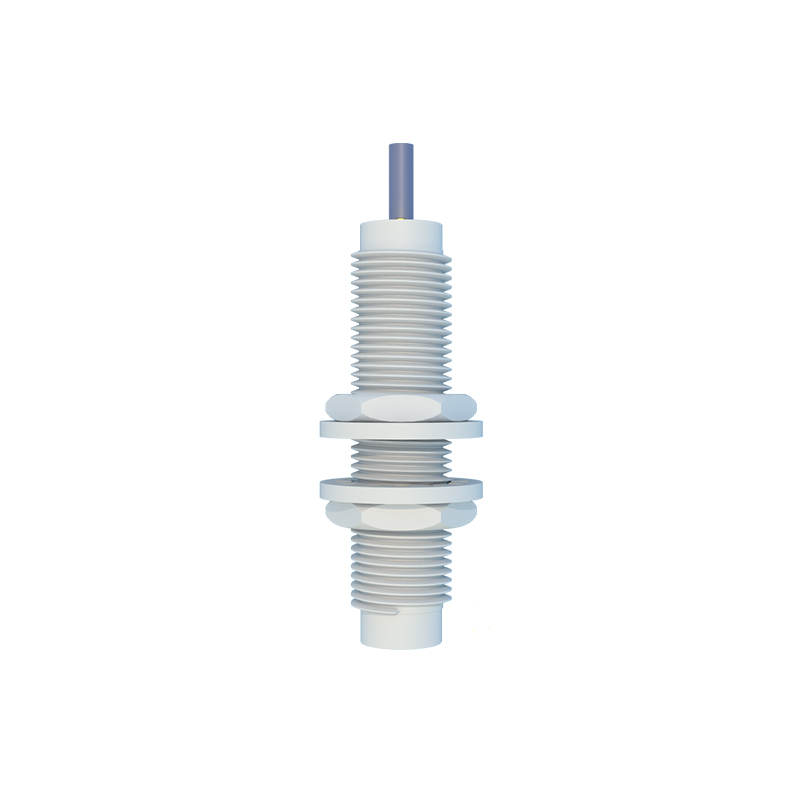
In practice, these sensors enhance safety and efficiency by preventing collisions in automated guided vehicles (AGVs) or ensuring correct tool alignment in CNC machines. They also contribute to energy savings by activating equipment only when needed, reducing wear and tear. As Industry 4.0 advances, smart sensors with IO-Link connectivity are emerging, enabling real-time data exchange for predictive maintenance and process optimization. Overall, small square proximity sensors are indispensable for reliable, cost-effective automation, driving productivity across manufacturing, logistics, and beyond. Regular calibration and adherence to manufacturer guidelines ensure long-term performance, making them a staple in engineering toolkits worldwide.