In today's fast-paced industrial landscape, accuracy and efficiency are paramount. Newi laser distance sensors have emerged as a critical tool for achieving precise, non-contact measurement across a diverse range of applications. These sophisticated devices utilize laser technology to calculate the distance between the sensor and a target object with remarkable speed and reliability. Unlike traditional contact measurement methods, laser sensors eliminate physical wear and tear, reduce setup time, and provide consistent data even in challenging environments.
The core technology behind a Newi laser distance sensor is based on the time-of-flight (ToF) principle or phase-shift analysis. In the ToF method, the sensor emits a short laser pulse towards the target. A high-speed receiver then detects the reflected light. By precisely calculating the time difference between the emission and reception of the pulse, the sensor's internal processor determines the distance. This process occurs in milliseconds, enabling real-time monitoring and control. For even higher precision over shorter distances, phase-shift technology is often employed, modulating the laser beam and analyzing the phase difference of the returned signal.
Industries worldwide are integrating Newi laser sensors to optimize their operations. In logistics and warehousing, these sensors are indispensable for palletizing, dimensioning packages, and guiding automated guided vehicles (AGVs). They ensure robots and machinery operate within safe and precise parameters. The construction sector relies on them for monitoring structural deformation, aligning heavy machinery, and conducting topographic surveys. Within manufacturing, they play a vital role in quality control, verifying part dimensions, monitoring fill levels in containers, and positioning components on assembly lines with micron-level accuracy.
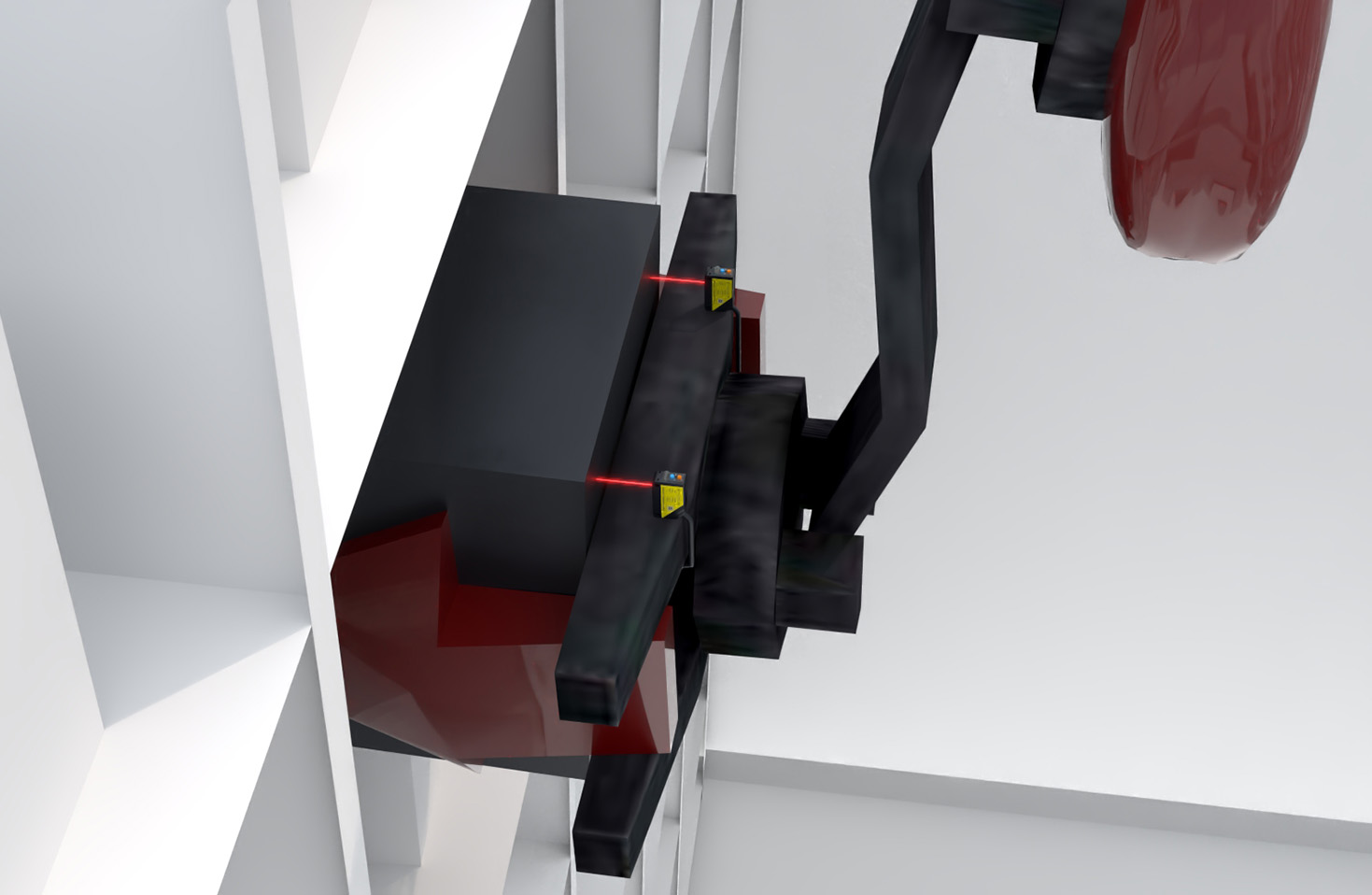
A significant advantage of the Newi series is its robustness. Many models are built with industrial-grade housings rated IP67 or higher, making them resistant to dust, water, and mechanical shock. This durability ensures stable performance in settings like outdoor construction sites, dusty mining operations, or humid production floors. Furthermore, these sensors are designed for easy integration. They offer various output options, including analog voltage/current, digital interfaces like RS485 or Ethernet, and discrete switching signals, allowing seamless connection to PLCs, SCADA systems, and data loggers.
When selecting a Newi laser distance sensor, several key specifications must be considered. The measuring range defines the minimum and maximum distances the device can handle effectively. Resolution indicates the smallest distance change the sensor can detect, while linearity reflects the accuracy across the entire range. The laser class (typically Class 2) is crucial for safety, ensuring the output power is eye-safe under normal operating conditions. Environmental factors such as ambient light, the color and reflectivity of the target material, and temperature fluctuations can also influence performance, and Newi sensors often incorporate advanced algorithms to compensate for these variables.

Looking ahead, the evolution of laser measurement continues. Future iterations of Newi sensors are expected to feature even smaller form factors, lower power consumption, and enhanced connectivity for Industry 4.0 applications, such as direct cloud data reporting and predictive maintenance analytics. The integration of artificial intelligence for target recognition and adaptive measurement strategies is also on the horizon.
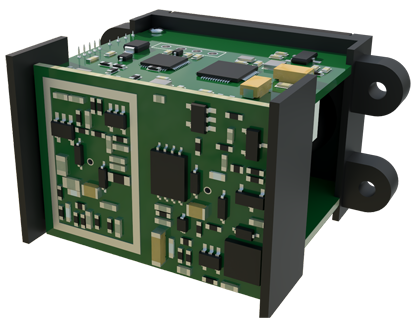
In conclusion, Newi laser distance sensors represent a fusion of advanced optical engineering and practical industrial design. They provide a reliable, non-contact solution for measurement challenges that demand speed, precision, and durability. By delivering accurate data in real-time, these sensors empower businesses to enhance quality, improve safety, reduce waste, and drive operational efficiency, solidifying their role as a foundational technology in modern automation and control systems.