In the world of industrial automation, robotics, and consumer electronics, the ability to detect the presence, position, or motion of an object without physical contact is paramount. Two of the most prevalent technologies enabling this capability are Hall Effect sensors and proximity sensors. While they share a common goal, their underlying principles, applications, and performance characteristics differ significantly. Understanding these differences is crucial for engineers and designers to select the optimal component for their specific needs.
The Hall Effect sensor operates on a fundamental principle of physics discovered by Edwin Hall in 1879. When a current-carrying conductor or semiconductor is placed in a perpendicular magnetic field, a voltage difference, known as the Hall voltage, is generated across the material. A Hall Effect sensor utilizes this phenomenon. It typically consists of a thin piece of semiconductor material. When exposed to a magnetic field from a permanent magnet or an electromagnet, the sensor produces a voltage output proportional to the strength of that field. This output can be analog (continuous) or digital (on/off). Hall Effect sensors are inherently magnetic field detectors. Their primary function is to sense the presence, strength, and polarity of a magnetic field. Common applications include measuring rotational speed (e.g., in BLDC motors, automotive crankshaft/camshaft position sensing), detecting the open/closed state of a door or lid (using a small magnet), and in current sensing applications by measuring the magnetic field around a current-carrying conductor.
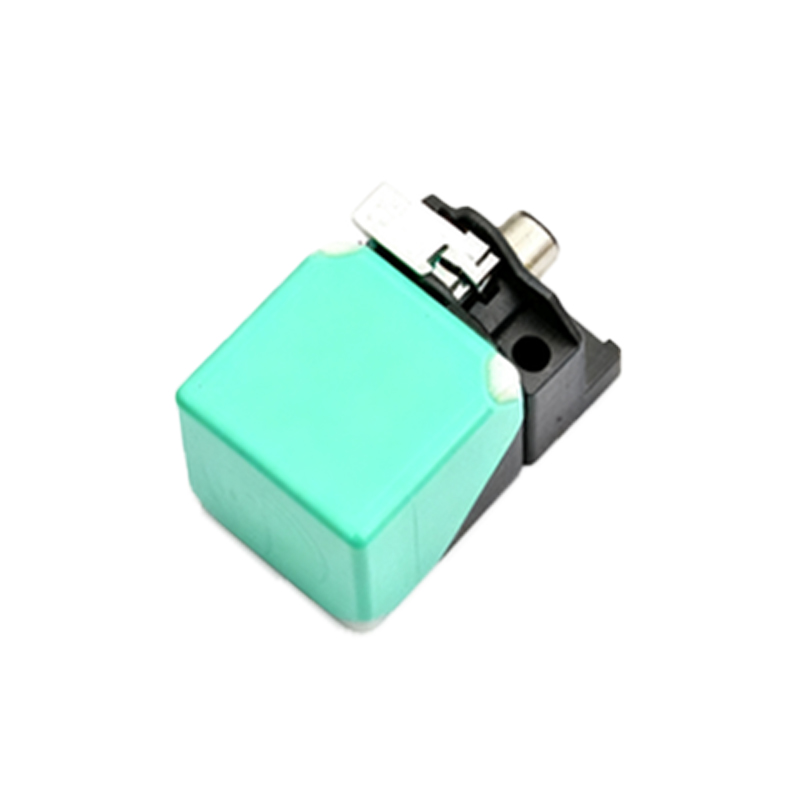
On the other hand, the term "proximity sensor" is a broader category encompassing various technologies that detect the presence of a nearby object. The most common type is the inductive proximity sensor. It generates an electromagnetic field from a coil. When a metallic object enters this field, it induces eddy currents in the object, which in turn cause a change in the sensor's own oscillation amplitude. This change is detected and triggers an output switch. Importantly, standard inductive sensors only detect metals, primarily ferrous metals. Other types include capacitive proximity sensors, which can detect both metallic and non-metallic materials (like plastic, wood, or liquids) by sensing changes in capacitance, and photoelectric sensors (or photo sensors), which use a light beam (visible, infrared, or laser) to detect an object's interruption or reflection.
The core distinction lies in what they sense. A Hall Effect sensor detects a magnetic field. Its target must be a magnet or a magnetized element. A proximity sensor, in its most common inductive form, detects the physical presence of a metallic object itself. This leads to different performance considerations. Hall Effect sensors offer excellent precision for position sensing, especially in rotary applications, and can operate at very high frequencies. They are generally not affected by non-magnetic environmental factors like dust, oil, or non-metallic debris. However, their operation is dependent on a magnet, which can lose strength over extreme temperatures or through demagnetization.
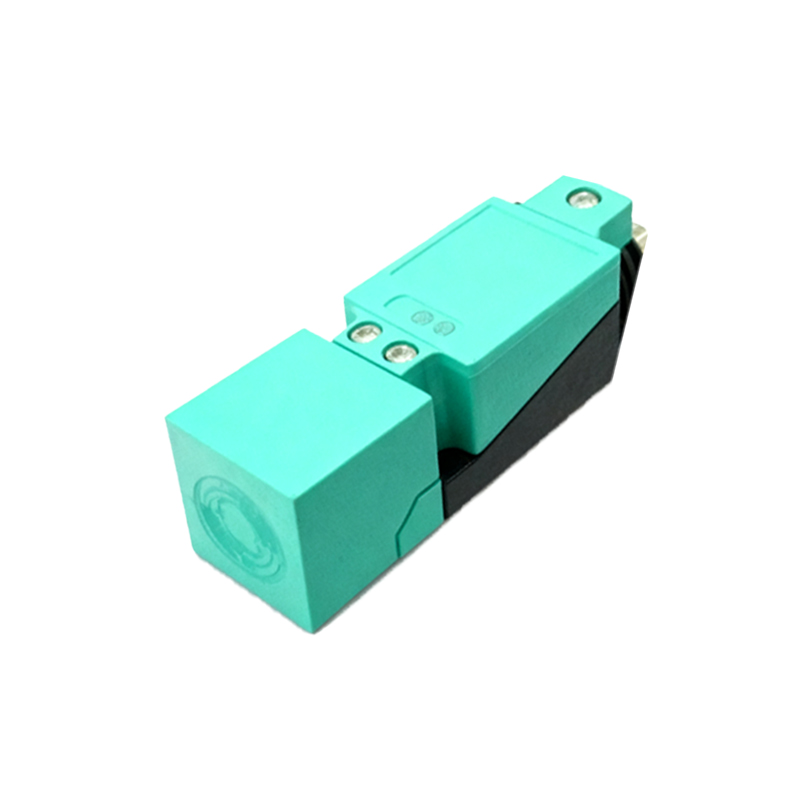
Inductive proximity sensors are robust, contactless switches ideal for harsh industrial environments. They are resistant to dirt, dust, and moisture (with appropriate housing ratings like IP67). Their limitation is material specificity; they are blind to non-metallic objects unless a capacitive type is used. Photoelectric sensors, a subset of proximity sensing, offer long detection ranges and can sense virtually any material but can be susceptible to environmental interference like ambient light, fog, or dirt on the lens.
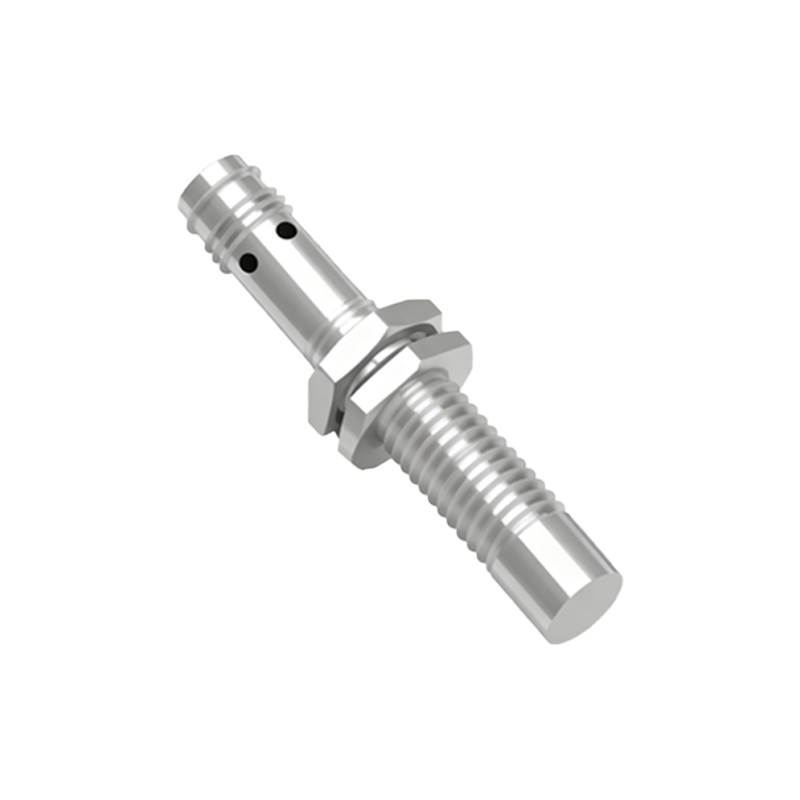
Choosing between them depends entirely on the application. For detecting the position of a rotor in a motor, a Hall Effect sensor paired with a ring magnet is the standard solution. For counting metal parts on a conveyor belt or checking if a metal machine door is closed, an inductive proximity sensor is typically the most reliable and cost-effective choice. For detecting a plastic bottle or a person, a capacitive or photoelectric proximity sensor is necessary.
In some advanced systems, these technologies are combined. For instance, a Hall Effect sensor might provide precise angular data for a motor controller, while an inductive proximity sensor provides a safety limit switch to detect if an external metal guard is in place. Both Hall Effect and proximity sensors are indispensable tools in modern engineering. The Hall Effect sensor is the specialist for magnetic field and precise positional sensing, while the inductive proximity sensor is the rugged, general-purpose workhorse for detecting metal objects in tough conditions. By carefully evaluating the target material, required precision, environmental conditions, and cost constraints, designers can leverage the unique strengths of each to build more efficient, reliable, and intelligent systems.