In the rapidly evolving landscape of industrial automation and precision measurement, remote laser sensors have become indispensable tools. Their ability to perform non-contact, high-accuracy measurements over distances makes them critical for applications ranging from quality control and robotics to structural health monitoring. A common question among engineers and procurement specialists is: "What determines the price of a remote laser sensor?" The cost is not a single figure but a spectrum influenced by a confluence of technical specifications, performance requirements, and market factors.
Firstly, the core technology and performance parameters are primary cost drivers. Measurement Range and Standoff Distance: Sensors designed for long-range measurements (e.g., 10m to 300m+) require more sophisticated optics and laser diodes, increasing cost compared to short-range variants. Accuracy and Resolution: A sensor boasting sub-millimeter or even micron-level accuracy demands high-quality components, advanced signal processing algorithms, and rigorous calibration, all contributing to a higher price point. Laser Class and Power: Class 1 or Class 2 lasers are common for safety, but specialized applications might need different classes, affecting design and cost. Sampling Rate: High-speed sensors capable of thousands of measurements per second are essential for dynamic processes and involve faster electronics, increasing expense.
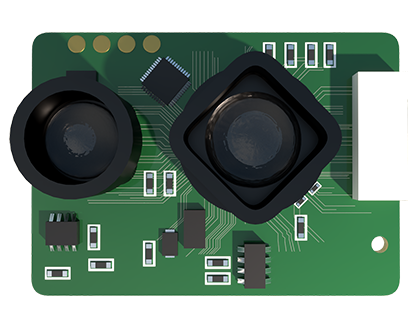
Secondly, Environmental Robustness and Protection Ratings significantly impact price. Industrial environments are harsh. Sensors rated IP67, IP68, or IP69K for dust and water ingress protection, or those built with ruggedized housings to withstand extreme temperatures, shock, and vibration, involve more durable materials and sealing techniques, adding to manufacturing costs. Functional Features also play a role. Integrated connectivity options like Ethernet/IP, PROFINET, IO-Link, or wireless capabilities add value and cost. Advanced software features for data logging, edge computing, or proprietary analysis algorithms further differentiate products in the market.

Thirdly, the brand reputation, support, and certification carry weight. Established manufacturers with a proven track record in reliability and precision often command premium prices. This cost includes not just the hardware but also the extensive R&D, comprehensive technical support, long warranty periods, and global service networks. Compliance with international standards (e.g., CE, UL, FDA for specific industries) involves additional testing and documentation costs.
The application specificity is crucial. A standard 2D profile sensor for conveyor belt monitoring will be priced differently from a high-precision 3D scanner used for aerospace component inspection or a specialized sensor for measuring hot metals in foundries. The latter requires components resistant to high ambient temperatures and may use specific wavelengths, making them more niche and expensive.

Finally, market dynamics like volume purchasing, competitive landscape, and supply chain stability influence final pricing. OEMs purchasing in bulk typically secure lower unit costs. The presence of both high-end and economical manufacturers creates a diverse price range, allowing buyers to match specifications with budget.
In conclusion, the price of a remote laser sensor is a direct reflection of its capability, durability, and suitability for the intended task. While initial cost is a key consideration, the Total Cost of Ownership (TCO)—encompassing reliability, maintenance, downtime avoidance, and measurement quality—often makes a higher initial investment in a capable sensor more economical long-term. Engineers are advised to conduct a thorough needs analysis, prioritizing essential specifications over unnecessary features, and to request detailed quotes from multiple suppliers to make an informed procurement decision that balances performance with budgetary constraints.