In the realm of industrial automation and control systems, proximity sensors stand as fundamental components for non-contact object detection. Their performance, particularly accuracy, directly impacts the efficiency, safety, and reliability of automated processes. Accuracy in proximity sensors is not a singular, monolithic specification but a multifaceted concept encompassing several critical parameters that engineers must carefully evaluate for optimal system integration.
At its core, the accuracy of a proximity sensor refers to its ability to consistently and correctly detect the presence or absence of a target object at a specified distance under defined operating conditions. This involves two primary aspects: sensing distance consistency and repeatability. The nominal sensing distance (Sn), as specified by manufacturers, is a theoretical value under ideal conditions. The effective operating point, however, is often derated to account for variables like temperature fluctuations, supply voltage tolerance, and target material characteristics. A high-accuracy sensor demonstrates minimal deviation from its set operating point despite these environmental and operational changes.
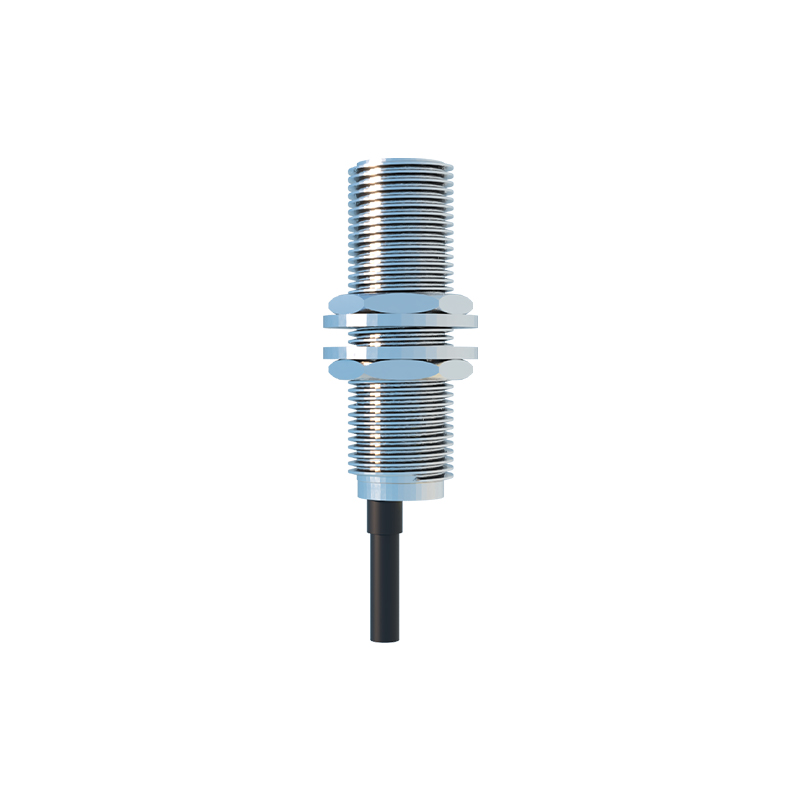
Repeatability, arguably the most crucial metric for precision applications, is the sensor's ability to return to the same detection point repeatedly under unchanged conditions. For instance, in a high-speed packaging line where a sensor triggers a cutting mechanism, a repeatability error of even ±0.1mm can lead to product waste or machine jams. Modern inductive and capacitive proximity sensors from leading manufacturers often boast repeatability values within 1% of the sensing distance, with specialized models achieving even tighter tolerances.
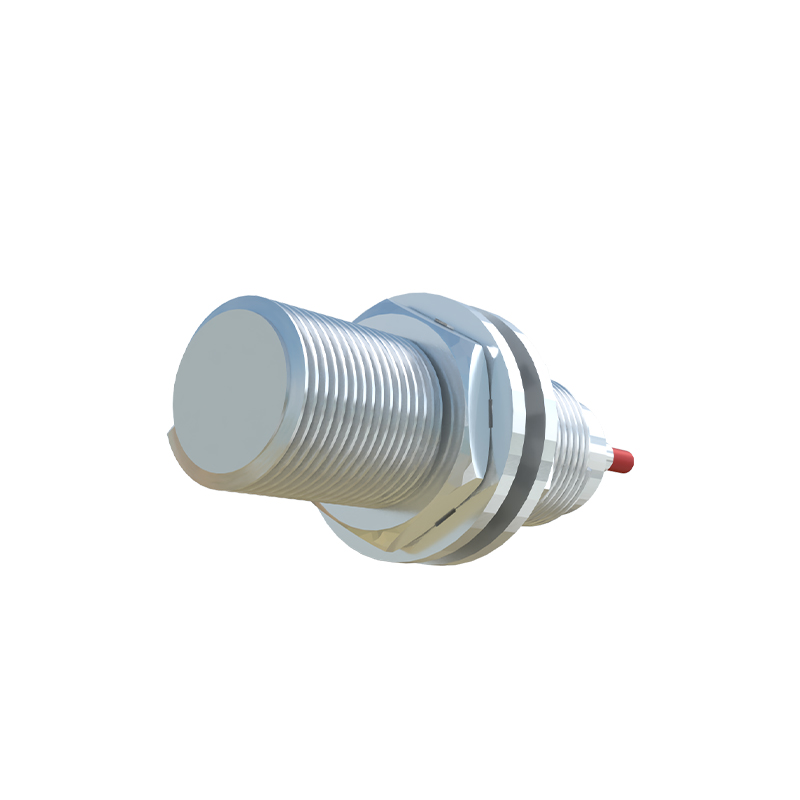
Hysteresis is another intrinsic factor affecting functional accuracy. To prevent output signal oscillation when a target is at the precise detection threshold, sensors incorporate a built-in hysteresis band. This means the switch-on point (when the target approaches) and the switch-off point (when the target recedes) are different. While necessary for stable operation, this hysteresis must be precisely controlled and understood, as it defines a "dead zone" that influences the precision of position-based control logic.
The influence of the target object itself cannot be overstated. For inductive sensors, the detection accuracy is highly dependent on the target's material, size, and shape. Standard mild steel (Fe360) is the reference material. Sensors calibrated for steel will exhibit a reduced sensing distance for non-ferrous metals like aluminum or copper, potentially affecting the apparent accuracy if not accounted for in the design phase. Capacitive sensors, used for non-metallic targets, are sensitive to material density, moisture content, and dielectric constant. Furthermore, the target size must meet the sensor's specified "standard target" dimensions to achieve the rated sensing distance; smaller targets will reduce the effective range.
Environmental conditions pose significant challenges to maintaining accuracy. Temperature drift is a common phenomenon where the sensor's electronic components and coil characteristics change with ambient temperature, causing a shift in the sensing point. High-quality sensors incorporate temperature compensation circuits to mitigate this effect. Electrical noise from variable frequency drives (VFDs), motors, and welding equipment can induce false triggering. Sensors with robust shielding, DC models with surge protection, and those featuring noise immunity ratings (e.g., 10V/m at 30MHz-1GHz) are essential for accurate operation in electrically noisy environments.
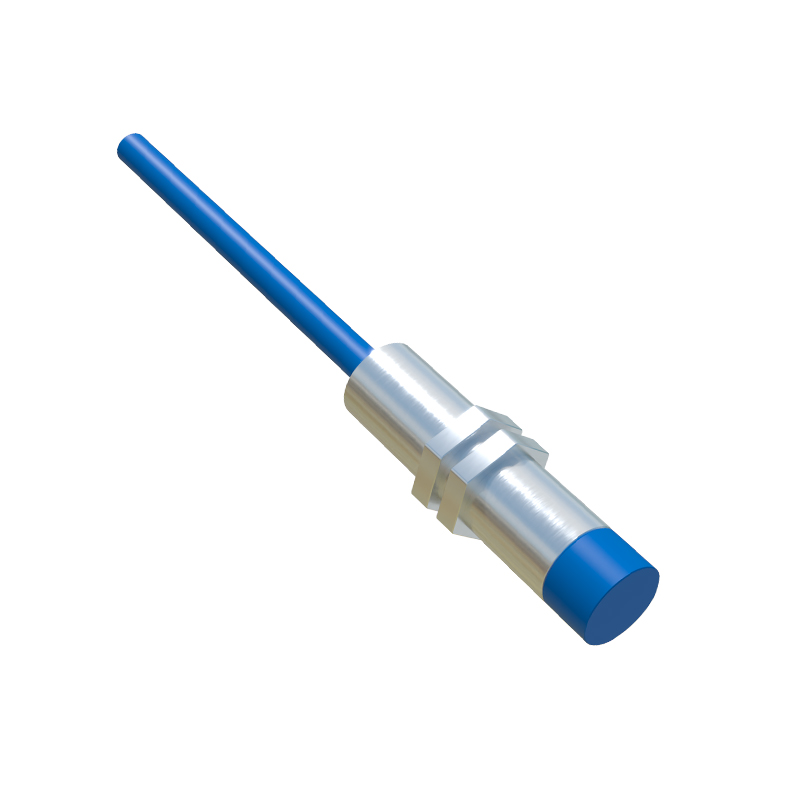
From an application perspective, accuracy requirements vary dramatically. In a simple bin level detection system, accuracy may be secondary to reliability. Conversely, in robotic assembly, where a sensor must detect the precise position of a component for insertion, sub-millimeter accuracy and exceptional repeatability are paramount. For such tasks, analog output proximity sensors, which provide a continuous voltage or current signal proportional to the distance to the target, are often employed. The linearity error of this analog signal becomes a direct measure of its positional accuracy. High-performance analog sensors specify linearity errors as low as ±1% of the full-scale output.
Ensuring accuracy in the field extends beyond selecting the right sensor. Proper installation is critical. Mounting the sensor flush in metal (for inductive types) to avoid side-effects from surrounding metal, maintaining a clean sensing face free of debris, and ensuring stable, regulated power supply are all basic yet vital practices. Regular calibration checks against a master target, as part of preventive maintenance, help sustain long-term accuracy.
In conclusion, the accuracy of a proximity sensor is a composite performance indicator governed by repeatability, hysteresis, target dependencies, and environmental robustness. There is no one-size-fits-all solution. A deep understanding of these interlinked parameters allows engineers to make informed selections, implement correct installation practices, and ultimately deploy sensor systems that deliver the precise, reliable performance demanded by today's sophisticated industrial automation landscapes. The pursuit of higher accuracy continues to drive innovations in sensor design, including advanced ASICs, improved coil geometries, and sophisticated digital signal processing for smarter compensation and diagnostics.