In modern industrial automation and process control, the precise monitoring of temperature is paramount for ensuring operational safety, product quality, and equipment longevity. Among the various sensing technologies available, laser sensors have emerged as a sophisticated and non-contact solution for temperature measurement, particularly in harsh or dynamic environments. However, the implementation of these systems is not without its challenges, with temperature alarms being a critical component for system integrity. This article delves into the principles, common triggers, and best practices for managing laser sensor temperature alarms.
Laser sensors for temperature measurement, often referred to as infrared pyrometers or laser thermometers, operate on the principle of detecting infrared radiation emitted by a target object. The sensor focuses this radiation onto a detector, which converts it into an electrical signal proportional to the object's temperature. A key advantage is the non-contact nature, allowing measurement of moving objects, surfaces in hazardous locations, or materials where contact sensors would be impractical or damaging. The integrated laser sighting system is typically used for precise targeting and alignment, not for the measurement itself.
The temperature alarm function within these sensors is a vital safety and diagnostic feature. It is designed to alert operators or control systems when the sensor's internal components or the measured temperature deviates from a predefined safe operating range. Common triggers for these alarms can be categorized into two primary areas: sensor health and process conditions.
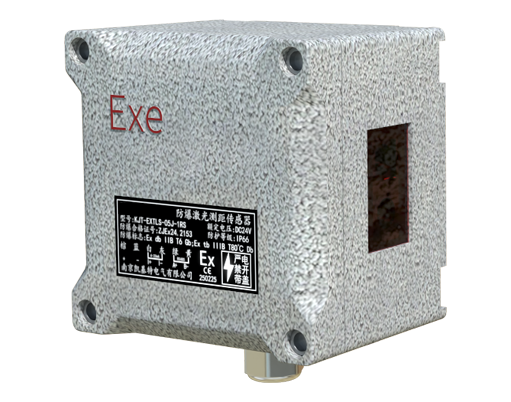
Firstly, alarms related to sensor health often indicate internal issues. Laser sensors contain sensitive electronic and optical components. Excessive ambient temperature can lead to sensor overheating. Most units have a specified operating temperature range (e.g., 0°C to 60°C). Prolonged exposure beyond this range can cause drift in calibration, component failure, or permanent damage, triggering a high internal temperature alarm. Conversely, extremely low ambient temperatures can also affect performance and may trigger a low-temperature warning. Additionally, factors like contamination on the lens, degradation of the laser diode used for aiming, or internal circuit faults can manifest as abnormal temperature readings or self-diagnostic alarms.
Secondly, process-related alarms are directly tied to the measurement target. Users set high and low temperature limits based on the specific application. For instance, in a metal forging process, a high-temperature alarm would activate if the billet exceeds a threshold that might damage downstream equipment. A low-temperature alarm in a plastic extrusion line might indicate insufficient heating, leading to poor product quality. These alarms are essential for process control, preventing spoilage, and ensuring safety, such as detecting overheating bearings on rotating machinery before a catastrophic failure.
Effective management of laser sensor temperature alarms requires a systematic approach. Proper installation is the first step. Ensuring adequate clearance, avoiding mounting near other heat sources, and providing proper ventilation can prevent unnecessary ambient temperature-related alarms. For sensors in very hot environments, consider models with integrated cooling jackets or protective housings. Regular maintenance is non-negotiable. This includes cleaning the optical lens with appropriate materials to maintain accuracy and checking the alignment of the laser sight. Calibration at recommended intervals against a traceable standard is crucial to ensure the alarm thresholds are based on accurate measurements.
Integration with plant control systems (e.g., PLCs, SCADA) enhances alarm utility. Instead of being a local indicator, alarm signals should be configured to trigger audible warnings, visual alerts on HMIs, or even automatic shutdown sequences for critical processes. Implementing a clear alarm hierarchy and documentation helps operators distinguish between a critical process alarm requiring immediate action and a less urgent sensor health advisory.
Furthermore, understanding the sensor's specifications is key. Parameters like response time, spectral response (appropriate for the material being measured), and field of view must be matched to the application to avoid false alarms from background radiation or rapidly fluctuating targets. Advanced sensors offer features like peak/valley hold, adjustable emissivity settings, and data logging, which aid in troubleshooting alarm events.
In conclusion, laser sensor temperature alarms are not merely nuisance triggers but indispensable tools for predictive maintenance and process optimization. They protect valuable capital equipment, ensure consistent product output, and enhance workplace safety. By comprehending their underlying causes—whether stemming from the sensor's own operating environment or the process it monitors—engineers and technicians can proactively configure, maintain, and respond to these systems. A well-tuned laser temperature measurement system with properly managed alarms contributes significantly to increased efficiency, reduced downtime, and robust operational integrity in demanding industrial settings.