In the rapidly evolving landscape of industrial automation, proximity sensors have become indispensable components, enabling precise detection and control in various applications. These non-contact sensors detect the presence or absence of objects within their sensing range, contributing to enhanced efficiency, safety, and reliability in manufacturing processes. As demand grows across sectors such as automotive, packaging, and robotics, understanding the key players and facilities in proximity sensor production is crucial for industry stakeholders.
Proximity sensor manufacturing plants are specialized facilities equipped with advanced technologies for producing a wide array of sensor types, including inductive, capacitive, and magnetic variants. Leading global manufacturers operate state-of-the-art plants that integrate automated assembly lines, rigorous testing protocols, and quality control systems to ensure high-performance outputs. For instance, companies like Omron, Siemens, and Schneider Electric have established extensive production networks across regions like Europe, North America, and Asia, catering to diverse market needs. These plants often emphasize innovation, investing in research and development to create sensors with improved sensitivity, durability, and connectivity features, such as IoT compatibility.
The operational framework of these plants typically involves several stages: design and prototyping, component sourcing, assembly, calibration, and final validation. Advanced materials, such as stainless steel housings and epoxy-sealed electronics, are utilized to enhance sensor resilience in harsh environments like high temperatures or corrosive settings. Moreover, many facilities adhere to international standards, including ISO 9001 for quality management and IEC specifications for electrical safety, ensuring products meet global regulatory requirements. The integration of lean manufacturing principles and just-in-time production strategies further optimizes plant efficiency, reducing waste and lead times.
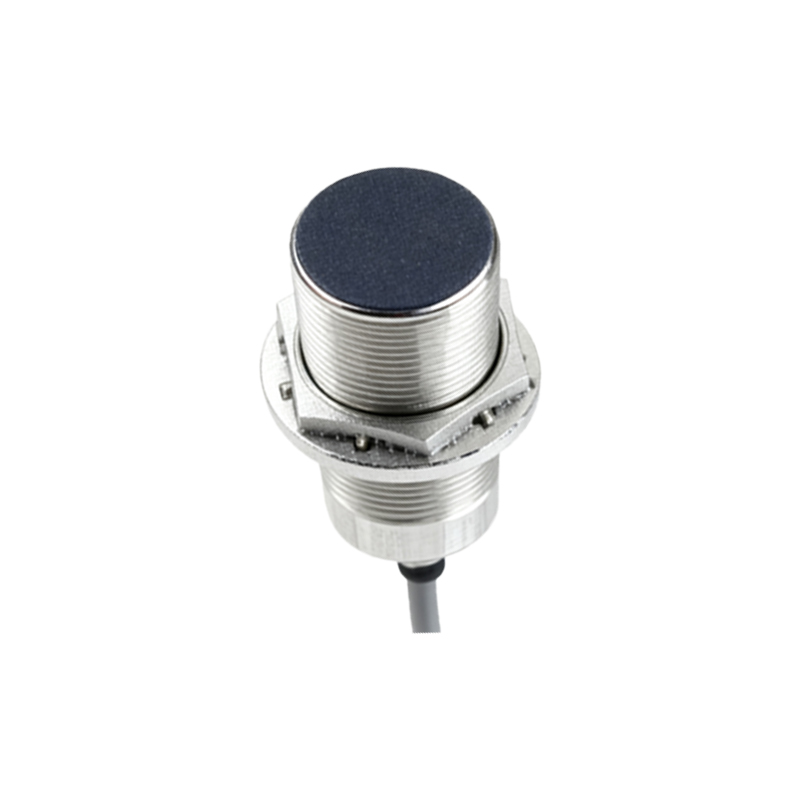
Regional distribution of proximity sensor plants reflects global industrial trends. Asia-Pacific, particularly China, Japan, and South Korea, hosts a significant concentration of manufacturing hubs due to robust supply chains and cost-effective labor. In contrast, European and North American plants often focus on high-precision, customized sensors for specialized industries like aerospace or pharmaceuticals. Emerging economies are also witnessing growth in sensor production, driven by increasing automation adoption in sectors such as agriculture and logistics.
Challenges in proximity sensor manufacturing include supply chain disruptions, component shortages, and the need for continuous technological upgrades. To address these, many plants are adopting smart factory concepts, incorporating AI-driven predictive maintenance and digital twins to monitor production lines in real-time. Sustainability initiatives, such as energy-efficient processes and recyclable materials, are gaining prominence, aligning with global environmental goals.
In summary, proximity sensor manufacturing plants are pivotal to the advancement of modern industry, combining precision engineering with innovative practices. As automation and Industry 4.0 trends accelerate, these facilities will continue to evolve, driving progress in sensor technology and application versatility. For businesses seeking reliable sourcing, evaluating plant capabilities, certifications, and technological adaptability is essential for long-term success.