In the rapidly evolving new energy sector, the demand for high-precision, reliable, and durable proximity sensors has never been greater. These critical components are integral to the efficiency and safety of applications ranging from electric vehicle (EV) charging systems and battery management to wind turbine control and solar panel positioning. As an industry professional, selecting the right sensor brand is paramount, as it directly impacts system performance, maintenance costs, and long-term viability. This article delves into the leading proximity sensor brands that are setting the standard in the new energy industry, focusing on their technological innovations, product robustness, and industry-specific solutions.
First and foremost, Sick AG stands out as a pioneer, particularly with its innovative ultrasonic and inductive sensor lines. In new energy applications, such as monitoring battery cell alignment in automated assembly or detecting component presence in high-voltage environments, Sick's sensors offer exceptional immunity to electromagnetic interference (EMI). Their designs often incorporate robust housing materials resistant to extreme temperatures and corrosive elements common in renewable energy installations. For instance, in a solar tracking system, Sick's precise position sensors ensure optimal panel orientation, maximizing energy harvest even in harsh outdoor conditions.
Another key player, Pepperl+Fuchs, excels in providing intrinsically safe and explosion-proof sensor solutions, which are crucial for hydrogen fuel cell production and storage facilities. Their extensive portfolio includes capacitive and inductive sensors capable of detecting non-metallic objects, such as composite materials used in wind turbine blades. Pepperl+Fuchs emphasizes seamless integration with Industrial Internet of Things (IIoT) platforms, enabling predictive maintenance and real-time data analytics. This connectivity is vital for offshore wind farms, where remote monitoring of sensor health can prevent costly downtime and enhance operational safety.
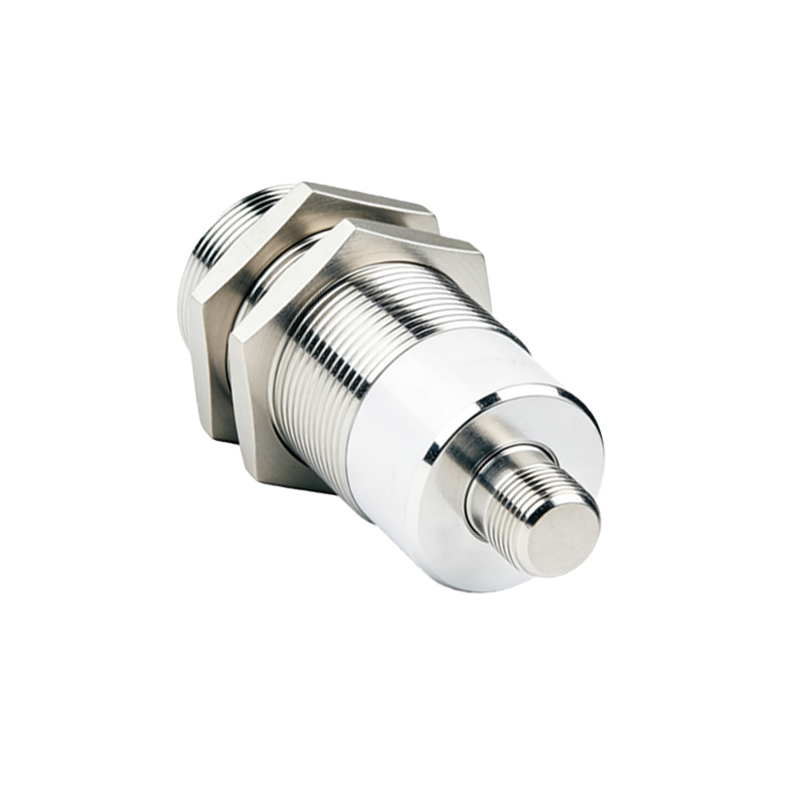
Balluff GmbH has also made significant strides with its magnetostrictive and IO-Link enabled sensors. In EV manufacturing, Balluff's sensors provide millimeter-accurate position feedback for robotic arms handling battery modules, ensuring precise assembly. Their IO-Link technology allows for parameterization and diagnostics directly from a control system, simplifying commissioning and reducing wiring complexity in large-scale battery gigafactories. This level of smart functionality supports the industry's shift towards more automated and data-driven production processes.
For applications demanding extreme durability, Turck offers a compelling range of sensors. Known for their high protection ratings (up to IP69K), Turck's proximity sensors perform reliably in environments with heavy dust, moisture, or constant vibration, such as inside hydroelectric power generators or on electric vehicle charging connectors. Their multi-technology approach, combining inductive, capacitive, and magnetic principles, allows engineers to select the ideal sensor for specific material detection tasks in recycling plants for lithium-ion batteries, where sorting different components is essential.
Emerging strongly in the sector is ifm electronic, which focuses on creating energy-efficient sensor solutions. ifm's sensors often feature low power consumption without compromising detection range, a critical factor for battery-powered or off-grid renewable energy systems. Their innovative "Vibration Monitoring" sensors, for example, are deployed on wind turbine gearboxes to detect early signs of wear, preventing catastrophic failures. ifm’s user-friendly setup and comprehensive diagnostic tools make them a favorite for maintenance teams aiming to reduce system energy overhead and extend equipment lifespan.
When evaluating these brands, several technical factors are non-negotiable for new energy applications. Detection Range and Accuracy: Sensors must maintain precision over specified distances, even when targeting unconventional materials like carbon fiber or through protective barriers. Environmental Resilience: Resistance to temperature swings, UV radiation, chemicals, and EMI is mandatory for outdoor or high-voltage settings. Communication Protocols: Support for modern industrial networks (e.g., PROFINET, EtherCAT, IO-Link) is essential for integration into smart grid and Industry 4.0 architectures. Long-term Supply and Support: Given the multi-decade lifecycle of energy infrastructure, manufacturers must guarantee product availability and technical support.
In conclusion, the new energy landscape presents unique challenges that demand more from proximity sensors. Brands like Sick, Pepperl+Fuchs, Balluff, Turck, and ifm electronic are at the forefront, continuously innovating to meet these demands with robust, intelligent, and application-specific solutions. For engineers and system integrators, a thorough evaluation based on technical specifications, environmental certifications, and lifecycle costs is crucial. Investing in the right sensor technology from a reputable brand is not merely a component selection—it is a strategic decision that underpins the reliability, efficiency, and sustainability of the entire new energy system.