In the realm of industrial automation and control, proximity switches stand as fundamental components for non-contact detection and position sensing. These devices, fundamentally based on sensor technology, enable machinery to "sense" the presence or absence of an object without physical contact, thereby enhancing reliability, speed, and system longevity. This article delves into the operational principles, primary types, and key application considerations of sensor-based proximity switches.
At its core, a proximity switch is a sensor that detects the presence of a nearby object, typically termed the "target." The underlying principle varies with the sensor technology employed, but the common goal is to generate a discrete electrical signal—often a simple ON/OFF switch—when the target enters the switch's sensing range. This eliminates the need for mechanical contact, avoiding issues like wear, tear, and contamination associated with traditional limit switches. The absence of physical contact also allows for high-speed operation and detection of fragile or sensitive objects.
The most prevalent types of proximity switches are categorized by their sensing technology:
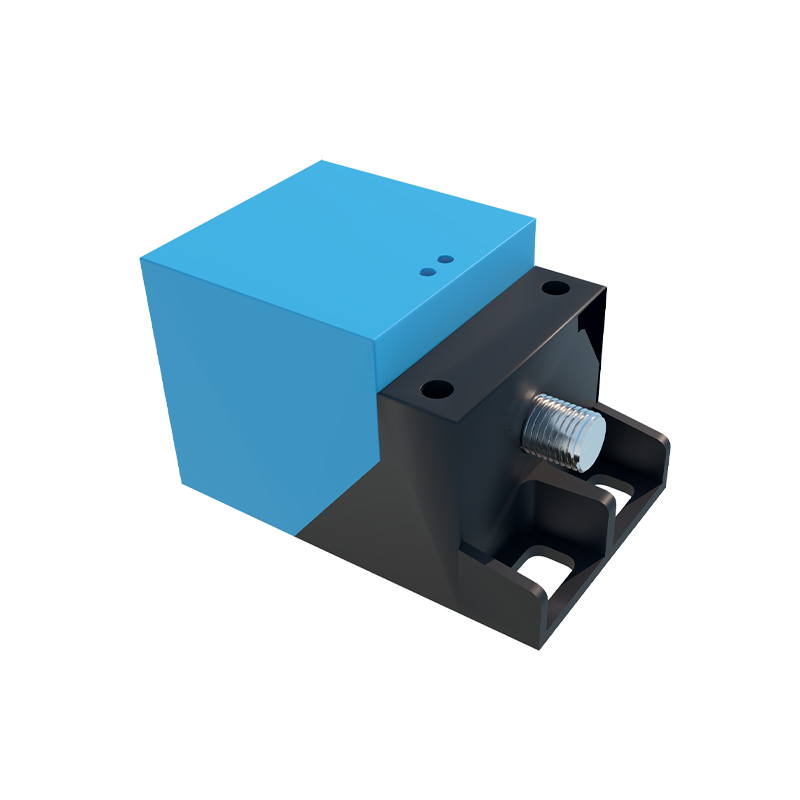
1. Inductive Proximity Switches: These are the workhorses for detecting metallic objects, primarily ferrous metals like steel and iron. They operate on the principle of electromagnetic induction. The switch contains an oscillator circuit that generates a high-frequency electromagnetic field at its active face. When a conductive metal target enters this field, eddy currents are induced within the target. This causes a change in the oscillation amplitude or frequency within the sensor's circuit. This change is detected, processed, and triggers the output state to switch. Inductive sensors are highly robust, resistant to environmental factors like dust, oil, and moisture, and are ideal for harsh industrial environments. Their sensing range is relatively short and is influenced by the target's metal type and size.
2. Capacitive Proximity Switches: These sensors can detect both metallic and non-metallic materials, including liquids, plastics, glass, wood, and granular substances. They function by measuring changes in capacitance. The sensor's active face acts as one plate of a capacitor, with the target acting as the other plate (or by affecting the dielectric constant of the space between them). As a target approaches, the capacitance of the system increases. An internal circuit monitors this capacitance, and when it exceeds a preset threshold, the output is activated. Capacitive sensors are versatile but can be influenced by environmental factors like humidity or material composition, requiring careful installation and tuning.
3. Ultrasonic Proximity Switches: These devices use sound waves beyond the human hearing range. They emit short, high-frequency ultrasonic pulses and then listen for the echo reflected from a target. By measuring the time delay between the emitted pulse and the received echo, the sensor can determine the presence and, in more advanced versions, the distance to the object. Ultrasonic sensors are excellent for detecting objects of virtually any material, shape, or color, and they are unaffected by dust, light, or smoke. However, they can be affected by temperature variations (which change the speed of sound) and may have difficulty with sound-absorbing materials or uneven surfaces.
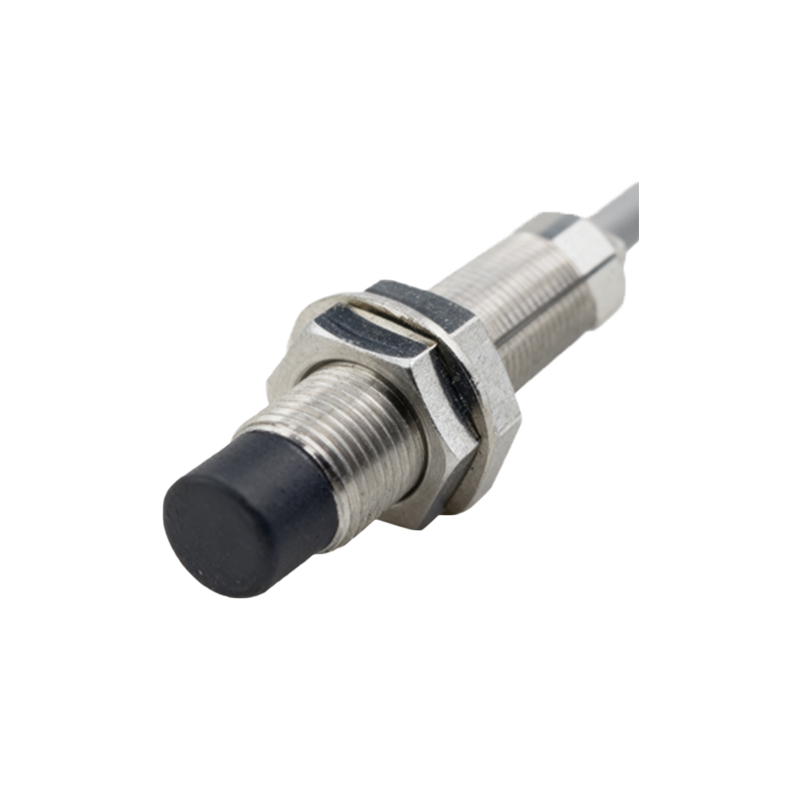
4. Photoelectric Proximity Switches: Utilizing light beams, these sensors are extremely versatile and offer longer sensing ranges. They consist of a light emitter (usually an LED) and a receiver. The three main operating modes are: through-beam (separate emitter and receiver, object breaks the beam), retro-reflective (object reflects light back to a combined unit via a reflector), and diffuse (or proximity) mode (object reflects light directly back to the receiver). Photoelectric sensors can detect a wide variety of materials but their performance can be compromised by environmental conditions like heavy dust, fog, or highly reflective backgrounds.
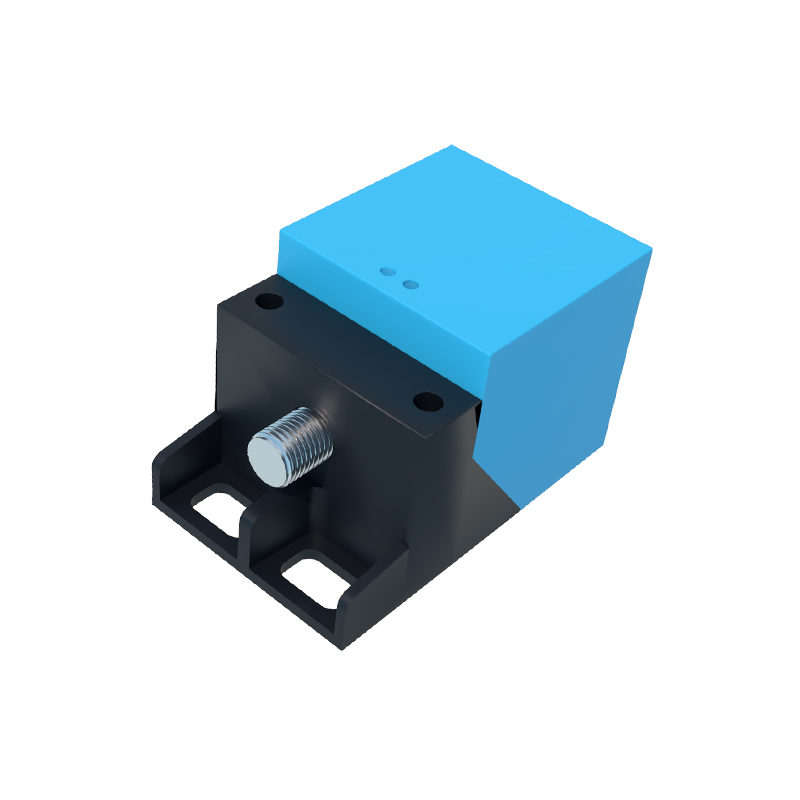
Selecting the appropriate proximity switch requires careful analysis of the application. Key factors include:
Target Material: Metal, plastic, liquid, etc.
Sensing Distance: The required operating distance from the target.
Output Type: Digital (PNP/NPN) or analog, relay output.
Environmental Conditions: Presence of dust, moisture, chemicals, temperature extremes, or electrical noise.
Mounting and Size: Physical constraints of the installation space.
Response Speed and Switching Frequency: How quickly the sensor must detect and signal.
In practice, sensor-based proximity switches are ubiquitous. They are used for object counting on conveyor belts, detecting the position of machine parts (like cylinder end positions), monitoring liquid levels in tanks, ensuring safety in automated systems (as part of light curtains or area monitoring), and in packaging, material handling, and automotive assembly lines. Their ability to provide reliable, maintenance-free operation in demanding conditions makes them indispensable for modern industrial control systems.
As technology advances, proximity switches are becoming more intelligent, with integrated IO-Link communication for parameter