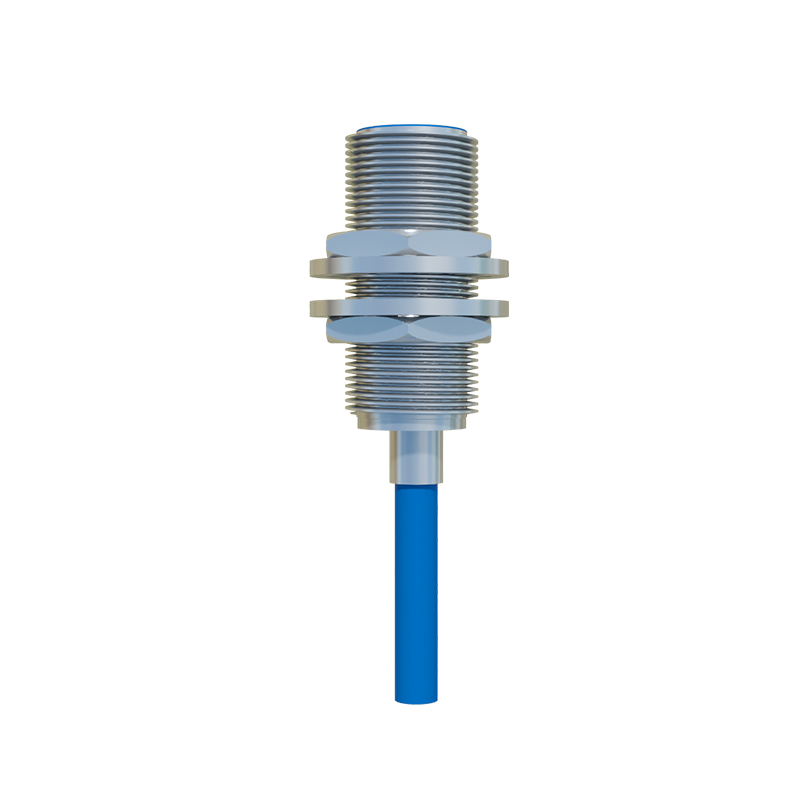
In the demanding world of industrial automation and machinery, proximity sensors serve as the critical eyes of the system, detecting the presence or absence of objects without physical contact. Among the various materials used for their housings and components, cast iron stands out for its unique properties, playing a pivotal role in ensuring sensor reliability and longevity in harsh environments. This article delves into the specific functions and advantages of cast iron within proximity sensor construction.
The primary function of a proximity sensor housing is to protect the sensitive internal electronics—such as the oscillator, amplifier, and output circuit—from external damage. Cast iron, an alloy of iron, carbon, and silicon, is exceptionally well-suited for this protective role. Its most celebrated attribute is its superior mechanical strength and durability. In industrial settings where sensors are exposed to significant vibration, mechanical shock, and potential impacts from moving parts or tools, a cast iron enclosure provides a robust shield. This inherent toughness prevents housing deformation or cracking, which could otherwise compromise the sensor's internal alignment and detection accuracy.
Beyond impact resistance, cast iron offers excellent protection against electromagnetic interference (EMI). Many industrial environments are electrically noisy, with interference generated by motors, welding equipment, and power lines. Cast iron's ferromagnetic properties and high magnetic permeability allow it to act as an effective shield, absorbing and redirecting electromagnetic fields away from the sensor's core electronics. This shielding is crucial for maintaining signal integrity, preventing false triggers, and ensuring stable operation, especially for inductive proximity sensors which themselves generate an electromagnetic field for detection.
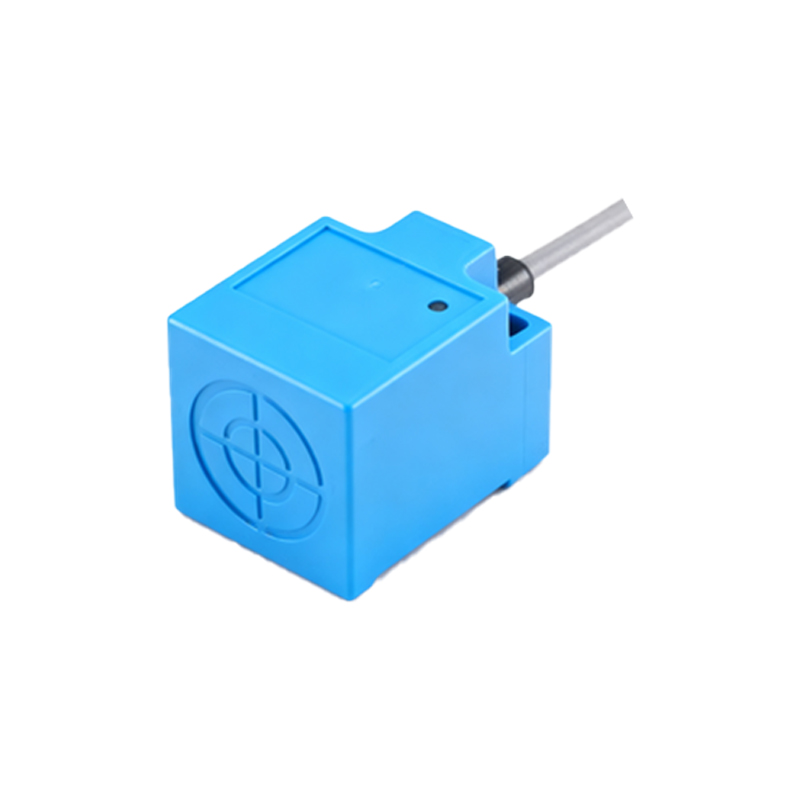
Another critical area where cast iron proves invaluable is in thermal management. Industrial processes often involve wide temperature fluctuations. Cast iron has good thermal mass and conductivity, allowing it to absorb and dissipate heat more evenly than many other metals or plastics. This characteristic helps in stabilizing the internal temperature of the sensor, protecting sensitive components from thermal stress and drift. Consistent thermal performance is essential for maintaining the sensor's sensing distance and response time specifications across its operational range.
Furthermore, cast iron housings provide exceptional resistance to environmental contaminants. While not inherently corrosion-proof like stainless steel, cast iron can be treated with various coatings, paints, or plating (such as nickel or zinc) to enhance its resistance to moisture, oils, coolants, and chemical splashes commonly found in manufacturing plants, foundries, and outdoor applications. This treated durability ensures the sensor body does not degrade over time, maintaining a seal that keeps particulates like metal chips, dust, and grime from infiltrating the sensor head.
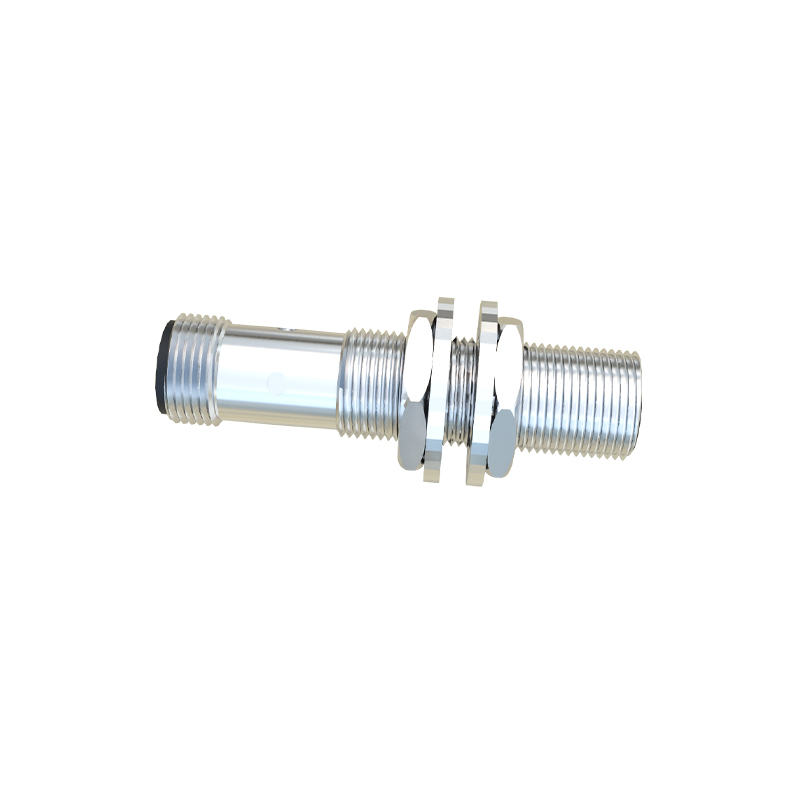
The use of cast iron also contributes to sensor mounting stability. Its significant mass adds to the overall rigidity of the sensor when installed. This reduces harmonic vibrations and micro-movements that could occur at the mounting point, which is particularly important for applications requiring high precision. The material's machinability allows for the creation of precise threads and mounting features, ensuring a secure and reliable fit into machinery frames or brackets.
However, the application of cast iron is strategic. It is most commonly employed in the sensor's housing or specific structural components, not in the active sensing face itself, which is typically made of a specialized polymer or stainless steel to allow the electromagnetic field to pass through. This combination leverages the strength of cast iron where it is needed most—for protection and mounting—while utilizing optimal materials for the actual detection function.
In conclusion, cast iron is far from a mundane choice for proximity sensors. Its integration is a deliberate engineering decision aimed at maximizing performance under stress. By providing unmatched mechanical protection, effective EMI shielding, improved thermal stability, and enhanced environmental resistance, cast iron housings directly contribute to reduced downtime, lower maintenance costs, and increased system reliability. For engineers specifying sensors for heavy-duty, high-vibration, or electromagnetically noisy applications, understanding the role of cast iron is key to selecting a sensor that will deliver consistent, long-term operation, safeguarding both the sensor and the productivity of the entire automated process.