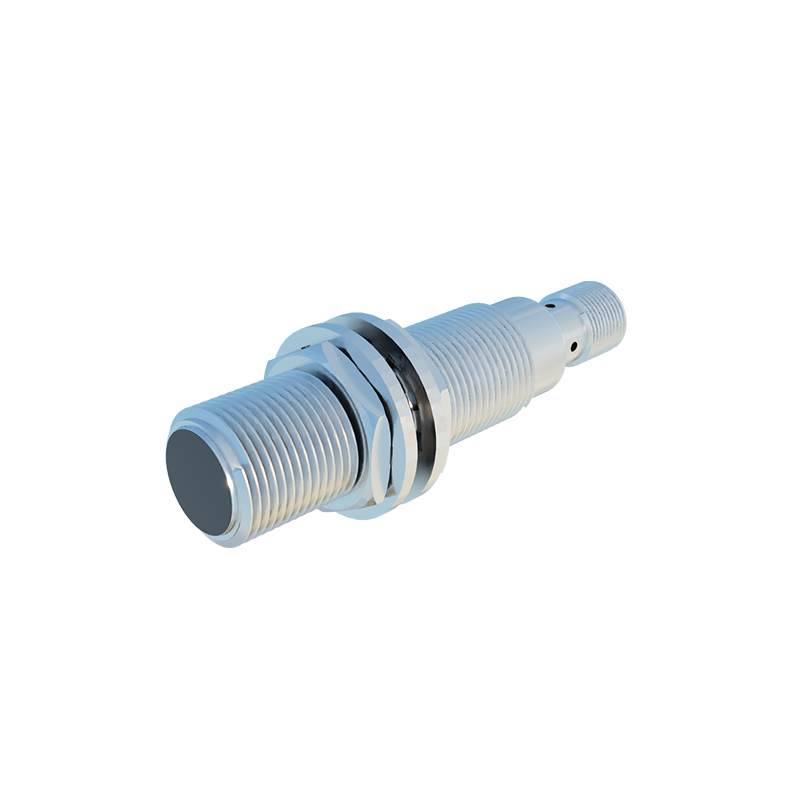
In the realm of industrial automation, proximity sensors play a pivotal role in detecting the presence or absence of objects without physical contact. These sensors, including inductive, capacitive, and ultrasonic types, are fundamental for tasks such as position sensing, object counting, and machine safety. Their non-contact nature ensures minimal wear and tear, leading to enhanced reliability and longevity in harsh industrial environments. When integrated with communication protocols like Modbus, these sensors transform into intelligent nodes within a broader network, enabling seamless data exchange and centralized control.
Modbus, a widely adopted serial communication protocol, serves as a backbone for connecting industrial electronic devices. Developed by Modicon in 1979, it operates on a master-slave architecture, allowing a single master device to query multiple slave devices, such as proximity sensors, over networks like RS-485 or Ethernet. The protocol's simplicity, openness, and robustness make it a preferred choice for integrating sensors into automation systems. By utilizing Modbus, engineers can remotely monitor sensor status, configure parameters, and retrieve real-time data, thereby optimizing operational efficiency.
The integration of proximity sensors with Modbus involves mapping sensor data to Modbus registers. Typically, a proximity sensor with Modbus capability will have its output—such as a detection signal or measured distance—assigned to specific holding registers or input registers. For instance, a discrete output indicating object presence might be mapped to a coil address, while analog values from a sensor could reside in holding registers. This standardization allows for uniform access across different sensor brands, simplifying system design and maintenance. Configuration is often done via software tools, where users set parameters like baud rate, parity, and slave ID to ensure compatibility with the existing Modbus network.
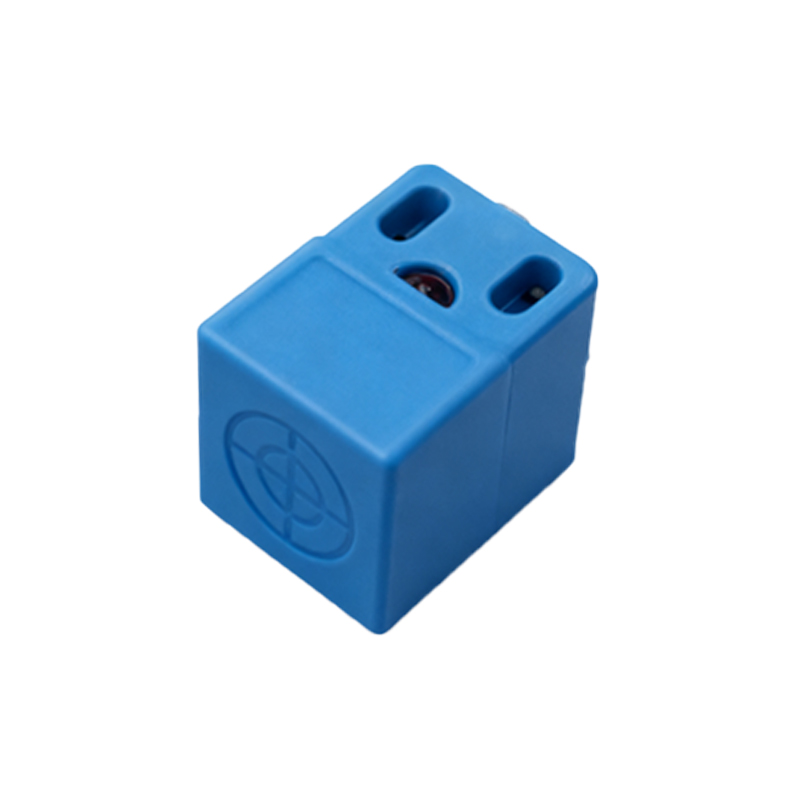
In practice, deploying Modbus-enabled proximity sensors offers significant advantages. It reduces wiring complexity by enabling multiple sensors to communicate over a single bus, cutting down on installation costs and time. Moreover, it facilitates predictive maintenance; by analyzing trend data from sensors, potential failures can be identified early, minimizing downtime. For example, in a conveyor system, inductive proximity sensors with Modbus output can detect metal objects and transmit status updates to a PLC, which then triggers actions like sorting or stopping the belt. This real-time feedback loop enhances process control and safety.
However, challenges may arise during implementation. Electrical noise in industrial settings can interfere with Modbus signals, necessitating proper shielding and grounding. Additionally, ensuring correct register mapping and network configuration requires thorough documentation and testing. Best practices include using quality cables, terminating bus lines correctly, and employing diagnostic tools to monitor network health. As Industry 4.0 advances, many proximity sensors now support Modbus TCP/IP, allowing integration into Ethernet-based systems for higher-speed communication and cloud connectivity.
In conclusion, the synergy between proximity sensors and Modbus protocol empowers modern industrial automation by providing reliable, scalable, and cost-effective solutions. By understanding their interplay, engineers can design systems that are not only efficient but also adaptable to evolving technological demands. Whether in manufacturing, packaging, or logistics, this combination continues to drive innovation, making operations smarter and more responsive.