In the world of industrial automation, the question of sensor selection is paramount. Among the myriad options, proximity sensors and photoelectric sensors stand out as two of the most versatile and widely used technologies for object detection. But are they genuinely "good" or "worth it"? The answer, from a practical engineering standpoint, is a resounding yes, but with crucial caveats that depend entirely on the application. Their utility is not about being universally perfect but about being the optimal solution for specific problems.
Let's first demystify what these sensors do. A proximity sensor detects the presence or absence of a nearby object without physical contact, typically using an electromagnetic field or electromagnetic radiation beam. Common types include inductive (for metals) and capacitive (for both metals and non-metals, including liquids and granules). On the other hand, a photoelectric sensor uses a light beam—visible red, infrared, or laser—to detect objects. They are categorized by their operating mode: through-beam (separate emitter and receiver), retro-reflective (bounces light off a reflector), and diffuse (reflects light off the object itself).
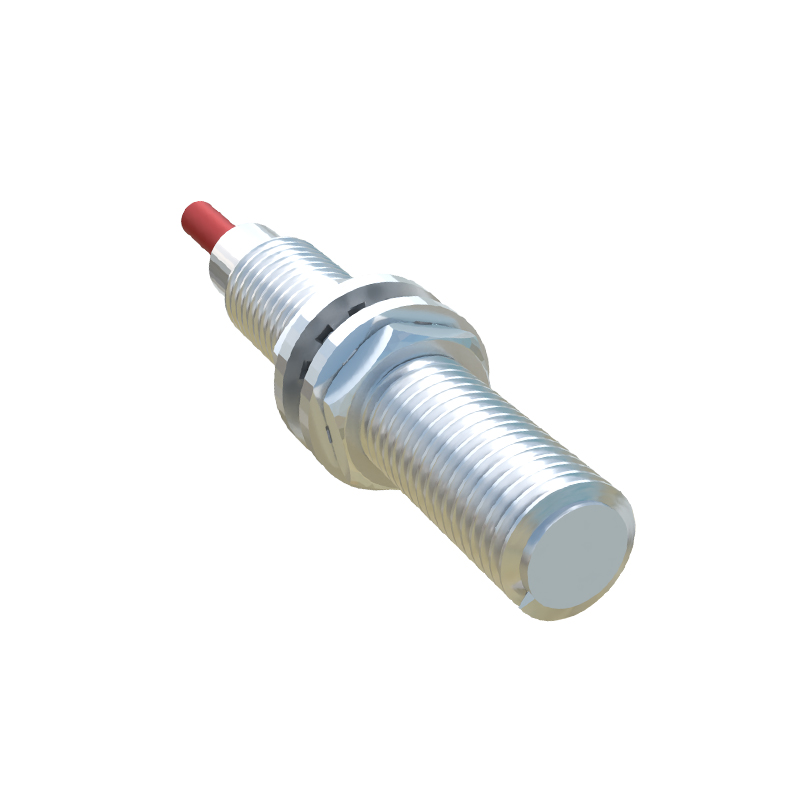
So, what makes them so effective? The advantages are substantial. First and foremost is reliability. These solid-state devices have no moving parts, leading to exceptionally long operational life, often measured in millions of cycles. They offer high-speed response, with detection times in the microsecond to millisecond range, which is critical for high-throughput production lines. Their non-contact nature eliminates mechanical wear and tear on both the sensor and the target, reducing maintenance and preventing product damage. Furthermore, modern sensors are incredibly robust. Many boast IP67, IP68, or even IP69K ratings, meaning they are sealed against dust and can withstand high-pressure water jets, making them suitable for harsh environments like washdown areas in food and beverage plants. Versatility is another key strength. Photoelectric sensors can detect objects of almost any material—plastic, glass, wood, liquid levels—at considerable distances (sometimes over 100 meters for through-beam types). Proximity sensors excel in dirty, dusty, or foggy conditions where an optical beam might be obstructed, with inductive sensors providing unwavering reliability for metal detection in machine tools.
However, declaring them universally "good" would be an oversimplification. Their performance is highly application-dependent. An inductive proximity sensor is useless for detecting a transparent plastic bottle. A diffuse photoelectric sensor might struggle with a shiny, reflective surface causing false triggers. Environmental challenges are real. Intense ambient light can swamp a photoelectric receiver, while heavy airborne particulates or foam can scatter a light beam. For proximity sensors, certain metals or the presence of other sensors can cause electromagnetic interference. Installation and alignment, especially for through-beam photoelectric sensors, require precision and can be time-consuming.
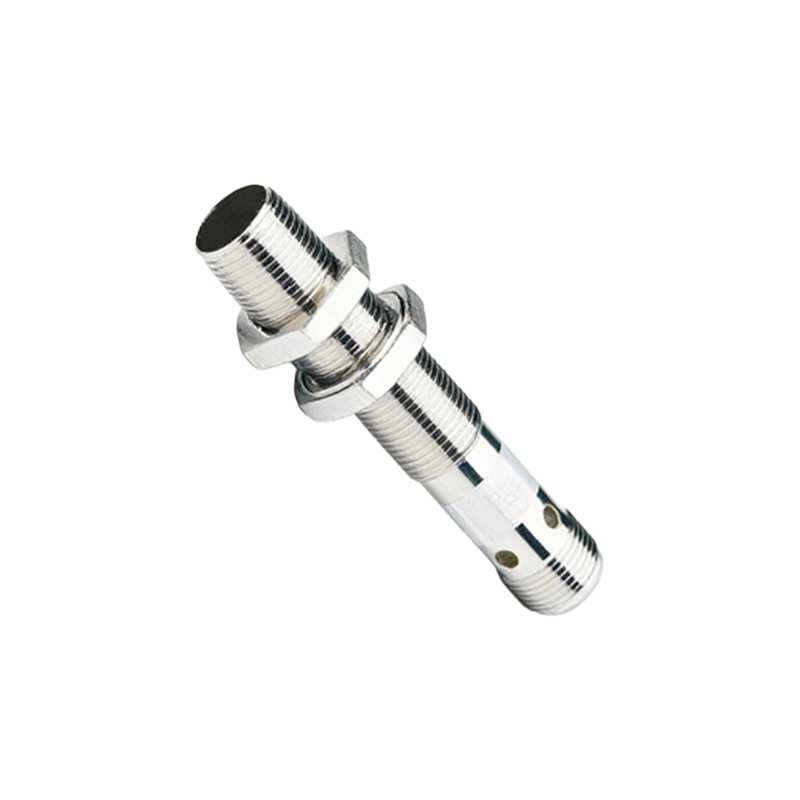
The true measure of their "goodness" lies in correct selection and integration. A successful implementation starts with a detailed analysis of the target object (material, size, color), the required sensing distance, the environmental conditions (temperature, contaminants, humidity), and the desired electrical output. For instance, detecting a tiny component on a high-speed assembly line might call for a focused laser sensor. Counting cardboard boxes on a conveyor in a dusty warehouse might be best served by a robust, self-contained diffuse photoelectric sensor with a background suppression feature. Monitoring the fill level of a corrosive chemical tank would necessitate a capacitive proximity sensor with a PTFE face.
Modern advancements have further amplified their value. Today's sensors come with sophisticated features like IO-Link communication, which provides detailed diagnostic data (operating hours, temperature, signal strength) for predictive maintenance, moving beyond simple "fail" alerts. Built-in timers, logic functions, and adjustable sensing ranges allow for greater flexibility and simpler control system design. The convergence of sensing and connectivity is paving the way for smarter, more responsive factories.
In conclusion, are proximity and photoelectric sensors good? Absolutely. They are foundational components of modern industrial automation, offering a blend of reliability, speed, and durability that is hard to match. Their effectiveness, however, is not automatic. It is the direct result of careful, informed selection tailored to the specific task at hand. For an engineer, the question is never "Is this sensor good?" but rather "Is this the right sensor for this job?" When applied correctly, these sensors are not just good—they are indispensable, driving efficiency, safety, and quality in countless industrial processes. The investment in the right sensor, and the expertise to apply it, pays continuous dividends on the factory floor.