In the realm of industrial automation and smart systems, the ability to detect the presence, absence, or distance of an object without physical contact is paramount. Among the various non-contact sensing technologies, the infrared (IR) proximity sensor stands out for its reliability, cost-effectiveness, and versatility. This article delves into the operational principles, key specifications, diverse applications, and critical selection criteria for these ubiquitous sensors.
At its core, an infrared proximity sensor operates on the principle of modulated light detection. The sensor contains an IR emitter, typically an infrared light-emitting diode (IR LED), and an IR receiver, such as a phototransistor or photodiode. The emitter projects a beam of infrared light, which is invisible to the human eye. When an object enters the sensor's detection field, it reflects a portion of this emitted light back towards the receiver. The sensor's internal circuitry then processes this reflected signal. To enhance immunity to ambient light interference—such as from sunlight or indoor lighting—the emitted IR light is often modulated at a specific frequency (e.g., 38 kHz). The receiver is tuned to respond only to light modulated at this same frequency, effectively filtering out constant or differently modulated light sources.
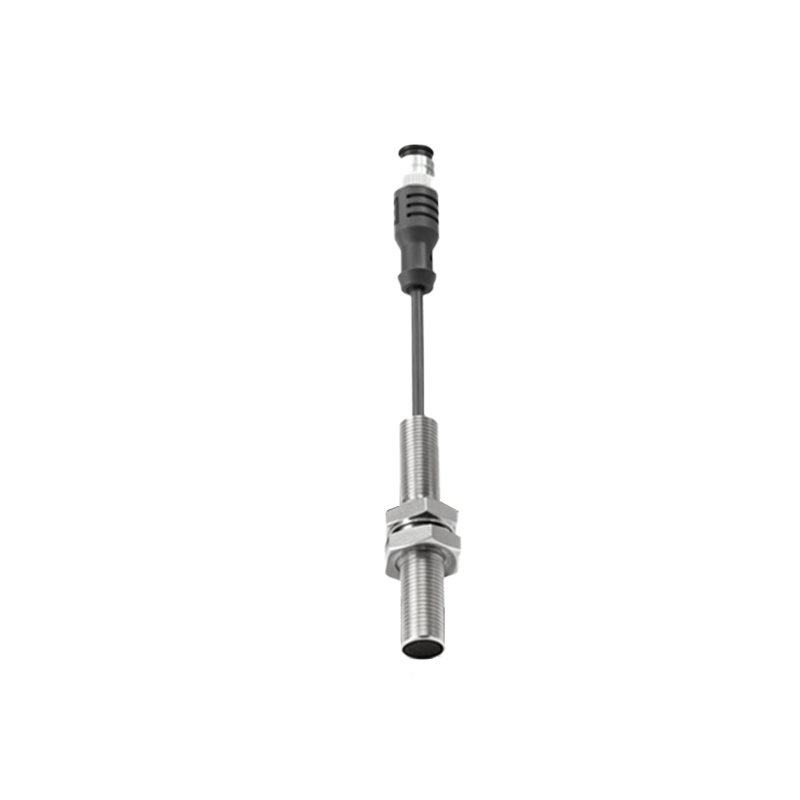
Key performance parameters define the suitability of an IR proximity sensor for a given task. The sensing distance or range is a primary consideration, varying from a few centimeters to several meters, depending on the emitter power and receiver sensitivity. The response time indicates how quickly the sensor can detect a change and output a signal, crucial for high-speed automation lines. Repeatability refers to the sensor's ability to consistently detect an object at the same distance under identical conditions. Furthermore, the detection object characteristics matter; factors like color, material, surface texture (matte vs. glossy), and even the angle of approach can influence the amount of reflected IR light and thus the effective sensing range. For instance, a black, matte object absorbs more IR light and is harder to detect at the same distance as a white, reflective object.
The applications of IR proximity sensors are vast and span numerous industries. In consumer electronics, they are integral for smartphone screen blanking during calls and for touchless gesture control. Within industrial automation, they are deployed for object counting on conveyor belts, jam detection in machinery, and determining the fill level of non-metallic containers or transparent bottles. Robotics utilizes them for basic obstacle avoidance and navigation. Security systems employ them in automatic door sensors and presence detection for lighting control. Their non-contact nature makes them ideal for applications where hygiene is critical or where physical contact could damage the object or the sensor itself.
Selecting the right IR proximity sensor requires a careful analysis of the application environment and requirements. First, define the required sensing distance and the physical properties of the target object. For challenging materials, a sensor with adjustable sensitivity or a longer nominal range may be necessary. Second, consider the output type. Digital (switch) outputs are common for simple presence/absence detection, while analog outputs provide a voltage or current proportional to the distance, enabling finer control. Some advanced sensors offer IO-Link or other digital communication protocols for enhanced diagnostics and parameterization. Third, evaluate the environmental conditions. Factors like dust, fog, or intense ambient IR light can impair performance. Sensors with robust housings (IP67 ratings for dust and water resistance) and sophisticated modulation techniques are essential for harsh industrial settings. Fourth, the mechanical form factor—including size, shape, and mounting style—must be compatible with the installation space. Finally, for applications involving multiple sensors in close proximity, ensure they operate on different modulation frequencies to prevent crosstalk, where one sensor's emitter triggers another's receiver.
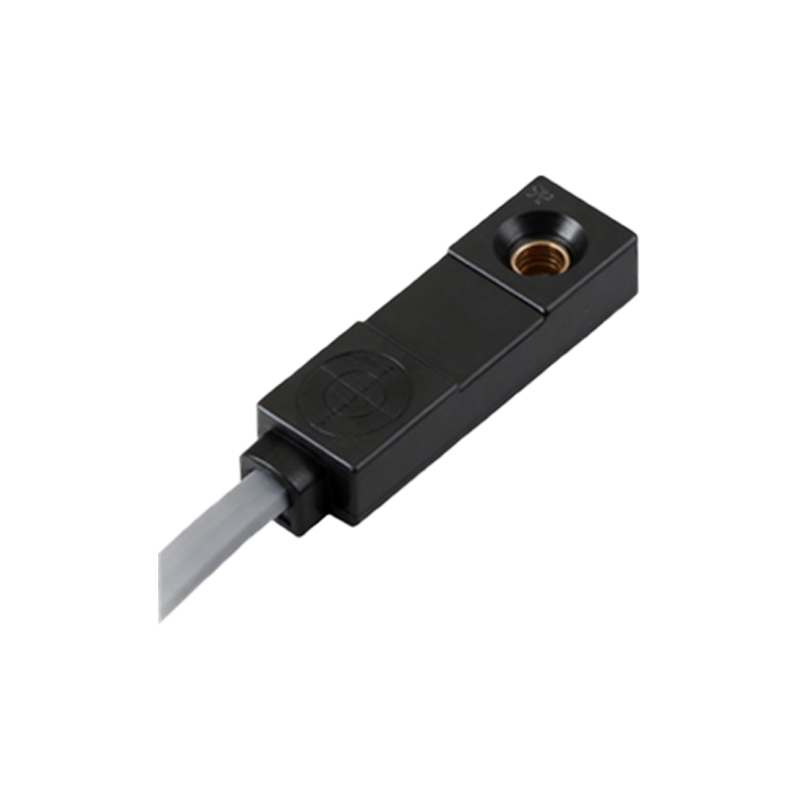
In conclusion, infrared proximity sensors are a fundamental and flexible component in modern sensing systems. Their working principle, while conceptually straightforward, is engineered to be robust against real-world interference. By thoroughly understanding their specifications and carefully matching them to the application's demands—considering target material, required range, output needs, and environmental factors—engineers and system integrators can reliably implement these sensors to enhance automation, improve safety, and enable smarter machine interactions. As technology advances, we see integration with time-of-flight (ToF) principles for more precise distance measurement, further expanding the horizon of what these indispensable sensors can achieve.