In the demanding landscape of modern industrial automation, particularly within hazardous environments, the role of explosion-proof proximity sensors is paramount. These specialized devices are engineered to detect the presence or absence of objects without physical contact, while their robust construction prevents them from becoming an ignition source in atmospheres containing flammable gases, vapors, mists, or combustible dusts. Their application is critical across sectors such as oil and gas, chemical processing, mining, grain handling, and pharmaceutical manufacturing, where safety and operational reliability are non-negotiable.
The fundamental principle of operation for these sensors remains similar to standard proximity sensors, utilizing electromagnetic fields, capacitance, or ultrasonic waves. However, the key distinction lies in their protective enclosures and design certifications. An explosion-proof housing is designed to withstand an internal explosion of specified flammable substances and prevent the ignition of the external hazardous atmosphere. This is achieved through flame-path cooling, pressure containment, and other engineering safeguards. Common international certification standards include ATEX (for Europe), IECEx (international), and NEC/CEC classifications (for North America, like Class I, Division 1). Selecting a sensor with the correct certification for the specific zone (e.g., Zone 0, 1, or 2 for gases; Zone 20, 21, or 22 for dust) is the first and most crucial step.
When integrating explosion-proof proximity sensors into a system, several technical factors demand careful consideration. Sensing range and type are primary; inductive sensors are ideal for detecting metals, while capacitive variants can sense non-metallic materials like liquids or plastics. The choice between shielded and non-shielded designs affects installation flexibility. Environmental resilience is another critical aspect. Sensors must be rated for appropriate ingress protection (e.g., IP67, IP69K) against dust and water, and constructed from materials like stainless steel or nickel-plated brass to resist corrosion from chemicals, saltwater, or extreme washdown procedures. Operating temperature ranges must align with the ambient conditions of the installation site.
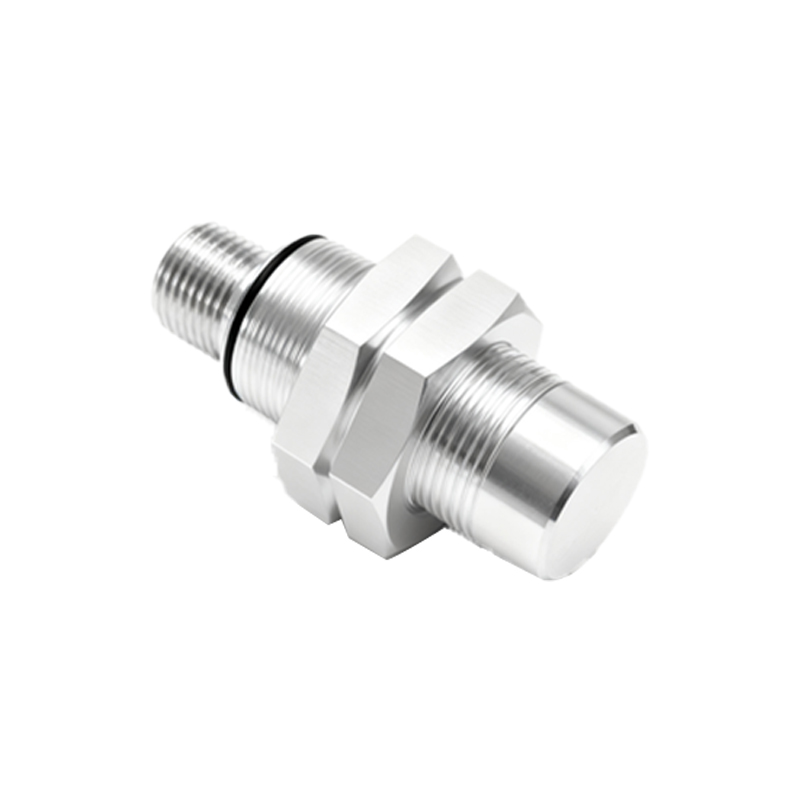
Electrical characteristics, including supply voltage (commonly 10-30V DC or wider ranges), output type (PNP/NPN, NO/NC, analog, or IO-Link), and current rating, must be compatible with the control system. For complex setups, features like short-circuit protection, reverse polarity protection, and diagnostic indicators significantly enhance maintenance and troubleshooting efficiency. Physical form factors, such as tubular (e.g., M8, M12, M18, M30 connectors) or rectangular shapes, are chosen based on spatial constraints and mounting requirements.

Installation and maintenance practices are integral to long-term performance and safety. Conduit seals must be properly installed on cable entries to maintain the integrity of the explosion-proof seal. Regular inspection for physical damage, accumulation of process material on the sensing face, and verification of secure mounting is essential. Calibration checks, where applicable, ensure consistent detection accuracy. Leveraging modern sensors with smart communication protocols like IO-Link can provide valuable diagnostic data, predictive maintenance alerts, and parameterization capabilities, reducing downtime.
In conclusion, explosion-proof proximity sensors are not merely components but vital safety interfaces in hazardous industrial loops. A meticulous selection process that harmonizes the required certifications, sensing technology, environmental ratings, and electrical interfaces with the specific application is fundamental. This proactive approach, coupled with disciplined installation and maintenance, ensures these sensors deliver unwavering reliability, safeguarding both personnel and capital-intensive processes in the world's most challenging industrial environments. Their continued evolution with digital intelligence promises even greater integration, diagnostics, and efficiency for the factories of the future.