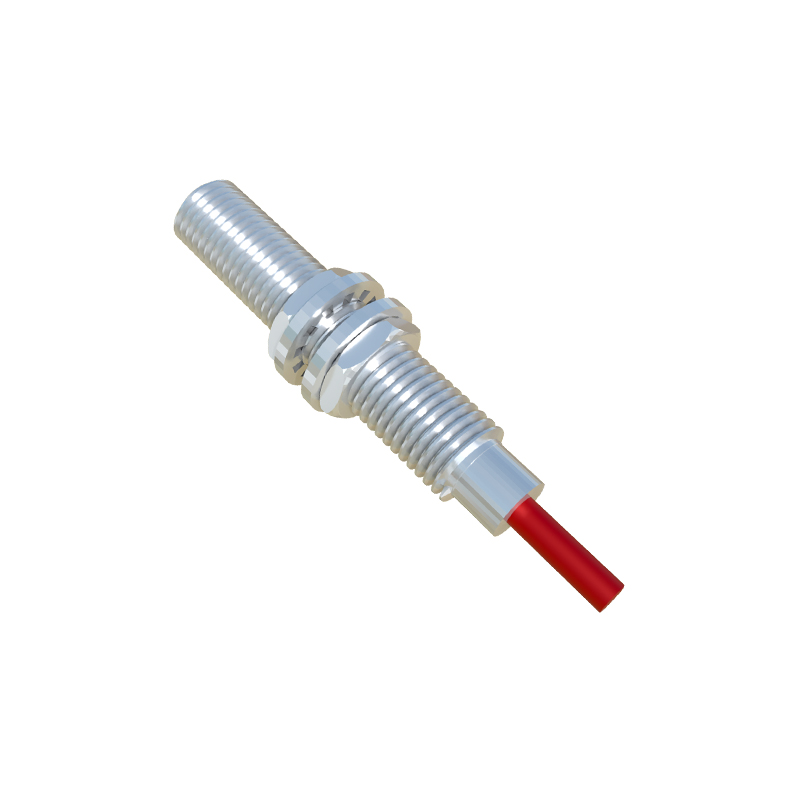
In the realm of industrial automation, proximity sensors stand as fundamental components for non-contact detection, ensuring seamless operations across manufacturing lines, packaging systems, and robotic applications. Among the diverse types available, proximity sensors equipped with actuator levers—often referred to as "lever-actuated" or "pivot-lever" proximity sensors—offer a unique blend of versatility and precision. These devices are engineered to detect the presence or absence of objects by utilizing a mechanical lever that actuates an internal switch, typically a reed switch or a solid-state electronic circuit, when deflected by a target. This design allows for reliable sensing in environments where direct alignment with the object is challenging or where adjustable sensing angles are required.
The operational principle of a lever-actuated proximity sensor is straightforward yet ingenious. The actuator lever, usually made from durable materials like stainless steel or engineered polymers, is mounted on a pivot point. When an object comes into contact with the lever, it causes a slight rotational movement. This motion triggers the internal sensing mechanism, which then generates an electrical signal—either a digital output (e.g., PNP or NPN) or an analog signal—to indicate detection. The lever's length and pivot design can be customized to suit specific applications, enabling detection over a wider arc or in confined spaces. For instance, in conveyor belt systems, these sensors can monitor the passage of irregularly shaped items by leveraging the lever's swing, ensuring accurate counting or positioning without requiring direct sensor alignment.
One of the key advantages of lever-actuated proximity sensors is their adaptability to harsh industrial environments. They are often built with robust housings rated for IP67 or higher, providing resistance to dust, moisture, oils, and mechanical impacts. This makes them ideal for use in automotive assembly lines, food processing plants, and heavy machinery, where exposure to contaminants or vibrations is common. Additionally, the mechanical lever allows for adjustable sensitivity and actuation force, enabling fine-tuning based on the target object's weight, size, or material. For example, in packaging automation, a lever sensor can be set to detect lightweight cardboard boxes without false triggers from ambient vibrations, enhancing system reliability.
When selecting a lever-actuated proximity sensor, engineers must consider several technical parameters to ensure optimal performance. The actuation force, measured in grams or newtons, determines how much pressure is needed to trigger the lever—critical for delicate applications to prevent damage to objects. The lever's angular range, often between 30 to 90 degrees, defines the detection zone, while the repeatability accuracy (typically within microns) ensures consistent operation over millions of cycles. Electrical specifications, such as supply voltage (commonly 10-30V DC) and output type, must align with the control system's requirements. Moreover, materials matter: stainless steel levers are preferred for corrosive environments, while plastic variants suit food-grade applications due to ease of cleaning.
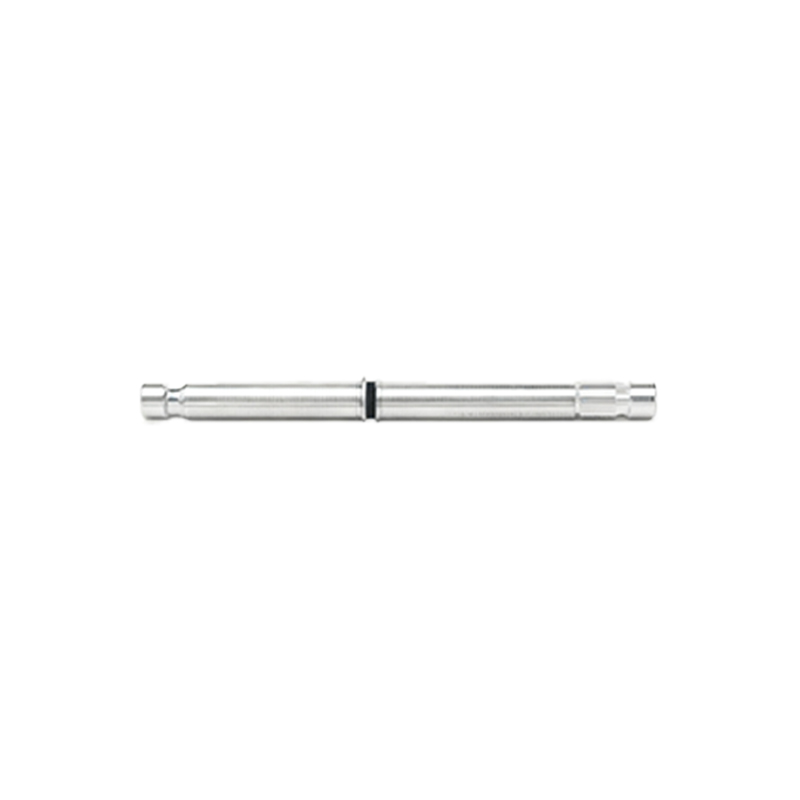
In practice, these sensors excel in scenarios requiring indirect or multi-directional sensing. A common application is in robotic grippers, where the lever can detect whether an object has been successfully picked up by sensing the gripper's movement. In machine safety systems, they serve as limit switches to prevent over-travel of moving parts, with the lever acting as a fail-safe mechanism. The automotive industry relies on them for position feedback in seat adjustment mechanisms or door latches, where space constraints demand compact, reliable sensors. Their ability to operate without physical contact—reducing wear and tear—translates to lower maintenance costs and extended service life, a significant ROI factor for industrial operations.
Despite their robustness, lever-actuated proximity sensors are not without limitations. The mechanical lever introduces moving parts, which may be susceptible to fatigue or jamming in extremely high-cycle applications (e.g., exceeding 20 million actuations). Regular inspection is advised to ensure the pivot remains free of debris. Furthermore, they may not be suitable for high-speed detection compared to non-contact inductive or capacitive sensors, as the lever's physical movement adds a slight delay. However, advancements in micro-switch technology and magnetic actuation have mitigated these issues, with modern designs offering faster response times (down to 1ms) and longer lifespans.
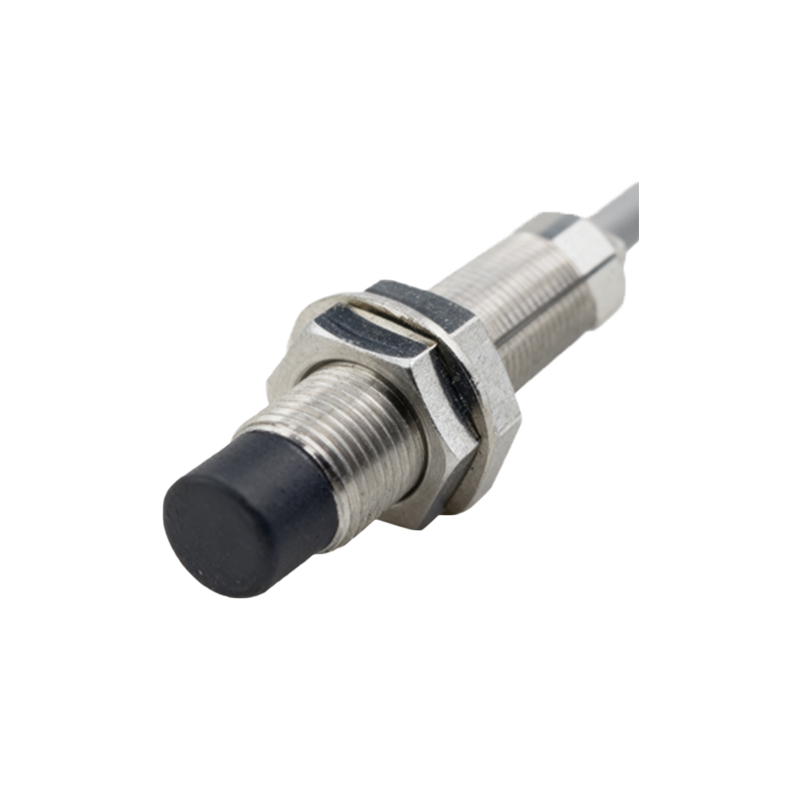
Installation and maintenance best practices are crucial for maximizing sensor performance. Mounting should ensure the lever's free movement without obstruction, and alignment with the target object must be verified during calibration. Environmental factors like temperature extremes or chemical exposure should be accounted for—consulting datasheets for operating ranges (e.g., -25°C to 70°C) is essential. For troubleshooting, common issues include false triggers due to loose mounting or lever wear, which can often be resolved by tightening fixtures or replacing the lever assembly. Integrating these sensors with PLCs or IoT-enabled systems allows for real-time monitoring, enabling predictive maintenance