Proximity sensors, specifically inductive and capacitive types, are fundamental components in modern industrial automation and electrical systems. As an electrical engineer, a deep understanding of their operating principles, selection criteria, and application nuances is crucial for designing robust and efficient systems. This guide delves into the core technology, focusing on the ubiquitous 9mm diameter form factor, a common industry standard.
At its heart, a proximity sensor is a non-contact device that detects the presence or absence of a target object within its sensing range without physical contact. The 9mm designation typically refers to the threaded barrel diameter (e.g., M9 or M8 x 1 thread), a compact size favored for space-constrained applications. The sensing technology is independent of this size, which primarily dictates the housing.
Inductive proximity sensors are the workhorses for detecting metallic objects. They operate on the principle of electromagnetic induction. The sensor's active face contains a coil that is part of an oscillator circuit. When a metallic target enters the sensor's electromagnetic field, eddy currents are induced in the target. This causes a change in the oscillation amplitude or frequency within the sensor. An evaluation circuit detects this change and triggers a solid-state output switch (typically PNP or NPN). Key specifications for a 9mm inductive sensor include its sensing distance (Sn), which is standardized (e.g., 1.5mm, 2mm for steel). It's critical to note that this nominal sensing distance is defined for a standard mild steel target. Factors like target material (stainless steel, aluminum, copper), target size, and temperature affect the actual usable range. Engineers must derate the sensing distance for non-ferrous metals. The output configuration is another vital selection parameter. 3-wire DC models (PNP-sourcing or NNP-sinking) are most common, with 2-wire AC/DC and analog/IO-Link variants also available in the 9mm form factor.
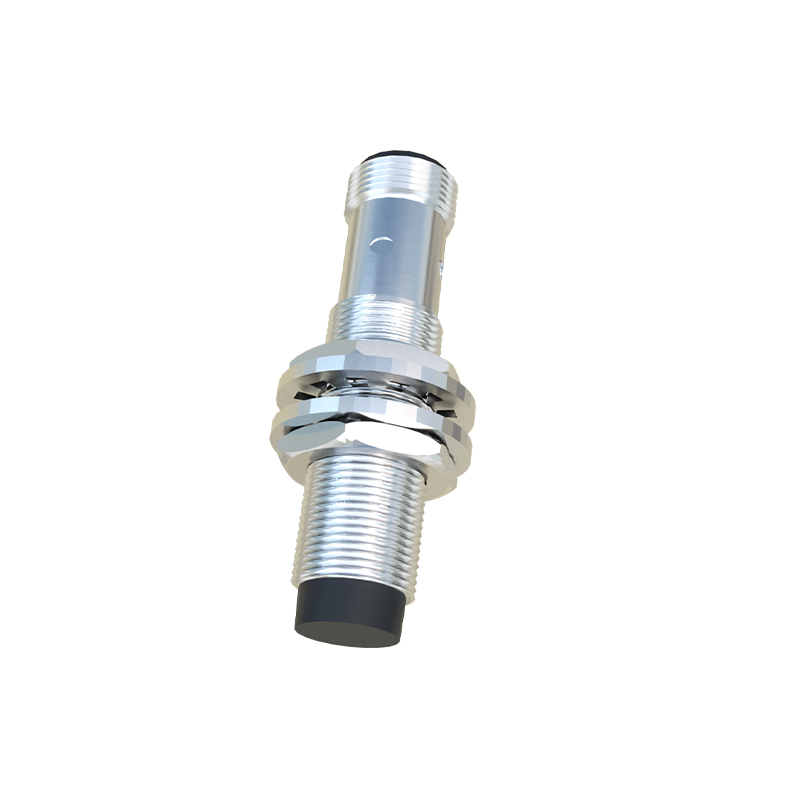
Capacitive proximity sensors, also available in 9mm housings, detect both metallic and non-metallic materials (liquids, plastics, wood, glass) by measuring changes in capacitance. The sensor face acts as one plate of a capacitor, with the target acting as the other. The presence of any material with a dielectric constant different from air alters the capacitance of the circuit, triggering the output. They are ideal for level detection of liquids or granular materials, but are more susceptible to environmental factors like moisture or contaminants on the sensor face.
The application of a 9mm proximity sensor extends across countless industries. Common uses include position sensing (is a cylinder extended or retracted?), end-of-travel detection, counting objects on a conveyor, and speed monitoring via a gear tooth or encoder wheel. Their rugged, typically IP67-rated metal or plastic housings make them suitable for harsh industrial environments.
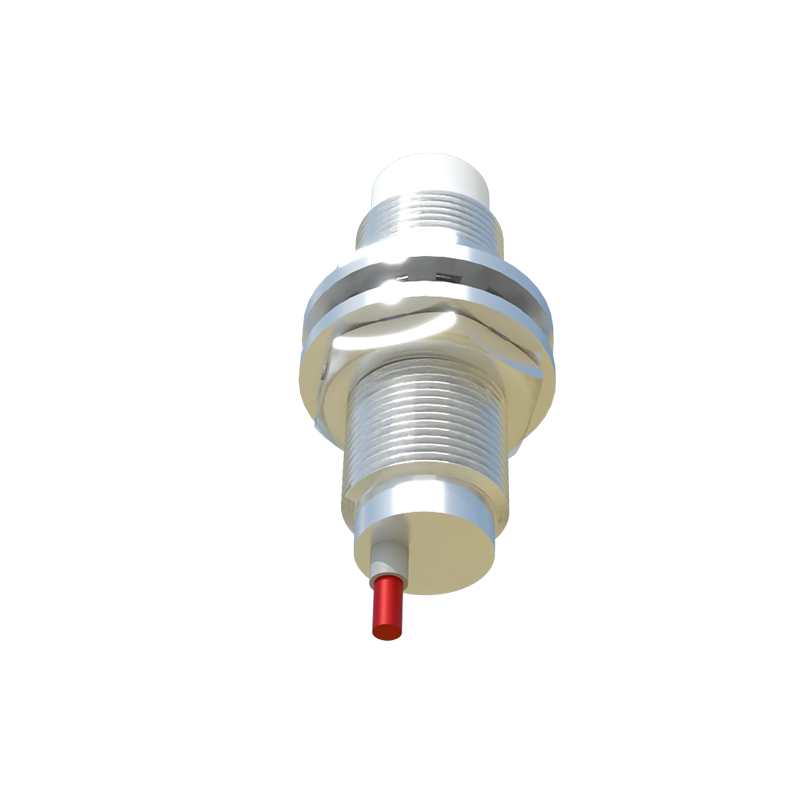
When integrating these sensors, electrical engineers must pay close attention to several factors. First, ensure proper electrical compatibility with the PLC or controller input module regarding voltage (12-24V DC typical) and current sourcing/sinking. Second, consider the installation environment: flush-mount sensors can be embedded in metal without affecting range, while non-flush types offer longer ranges but require a clear surrounding area. Third, account for temperature ratings, short-circuit and overload protection, and output state indicators (LEDs). For high-speed or precision applications, the sensor's switching frequency and hysteresis (the difference between the switch-on and switch-off points) become critical parameters.
Troubleshooting often involves verifying power supply, checking for correct target material and distance, inspecting for physical damage or buildup on the sensing face, and using a multimeter to monitor output state. Understanding the sensor's datasheet, including graphs for temperature drift and sensing distance versus target material, is essential.
In conclusion, the 9mm proximity sensor is a versatile and reliable tool. Mastery of its technology—from the physics of inductive and capacitive fields to the practicalities of electrical interfacing and environmental hardening—enables electrical engineers to implement precise, maintenance-free detection solutions. As Industry 4.0 advances, these sensors are evolving with integrated diagnostics and communication protocols like IO-Link, adding smart data capabilities to their core function of robust, non-contact sensing.