In the realm of industrial automation and control, proximity photoelectric sensors stand as indispensable components, enabling non-contact detection of objects with high precision and reliability. These sensors operate on the fundamental principle of converting light signals into electrical signals to determine the presence, absence, or distance of a target. Unlike mechanical limit switches, they offer wear-free operation, high switching speeds, and the ability to detect a wide variety of materials, making them a cornerstone of modern manufacturing, packaging, and material handling systems.
The core working principle involves a light emitter and a receiver. The emitter, typically a light-emitting diode (LED), projects a beam of light—often visible red, infrared, or laser. The receiver, a phototransistor or photodiode, detects this light. The sensor's logic is triggered by a change in the received light signal. This change occurs in three primary modes of operation: through-beam, retro-reflective, and diffuse reflective.
Through-beam sensors, also known as opposed mode sensors, consist of separate emitter and receiver units placed opposite each other. Detection occurs when an object interrupts the light beam traveling from the emitter to the receiver. This configuration offers the longest sensing ranges and highest immunity to environmental factors like dust or target surface characteristics. They are ideal for precise detection in demanding environments, such as on conveyor lines or in automated storage systems.
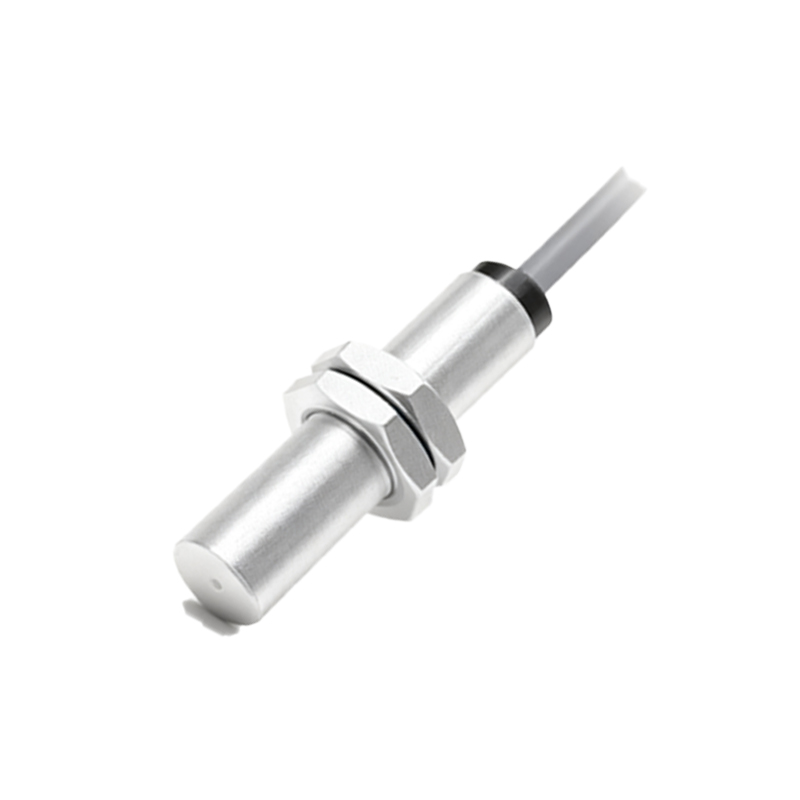
Retro-reflective sensors house both the emitter and receiver in a single housing. They rely on a reflector, usually a specialized tape or prism, placed opposite the sensor. The emitted light beam travels to the reflector and bounces back to the receiver. An object is detected when it breaks this return beam. These sensors provide a good balance between range and ease of installation, as only one wiring point is needed at the sensor head. A key feature is the use of polarizing filters to prevent the sensor from being "fooled" by shiny objects that might reflect light directly back, ensuring detection only occurs when the beam is broken by the target.
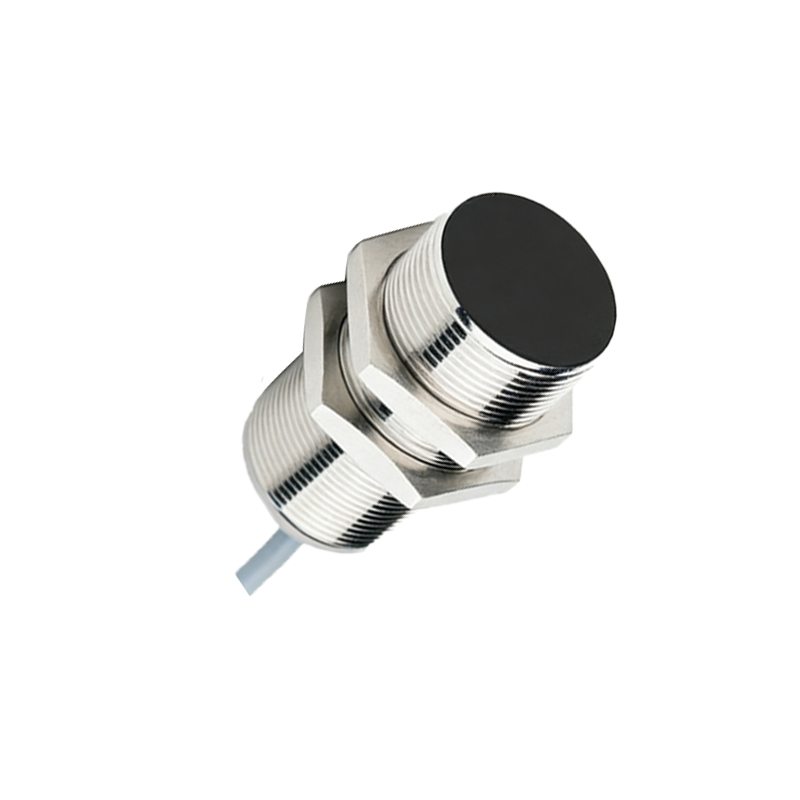
Diffuse reflective sensors, or proximity mode sensors, also integrate the emitter and receiver. However, they detect the target object itself, which acts as the reflector. The sensor emits light, and when an object enters the sensing field, a portion of the light is scattered back to the receiver. The sensing distance is influenced by the object's size, color, and surface texture—light-colored, matte surfaces reflect better than dark, glossy ones. These are the most common type for general-purpose applications where the target distance is shorter, such as part presence verification or counting.
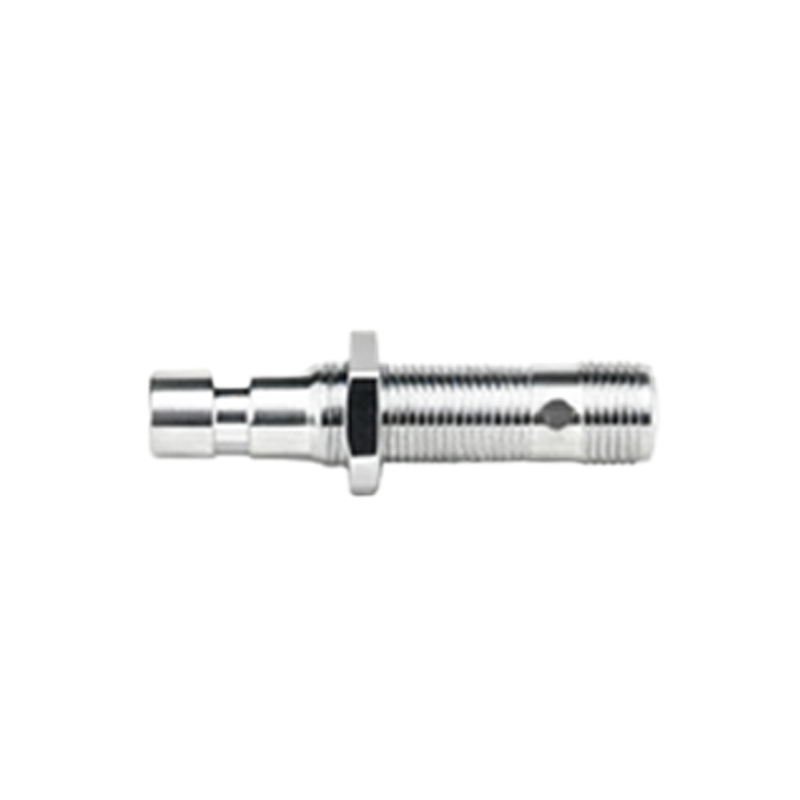
Beyond these basic types, advanced variants include background suppression and foreground suppression sensors. Background suppression sensors use triangulation principles to measure distance, allowing them to detect an object within a precise range while ignoring objects beyond a set background distance. This is crucial for detecting objects on a conveyor belt while ignoring the belt itself or a more distant surface. Foreground suppression sensors perform the opposite function, ignoring close objects to detect those at a specific farther distance.
Selecting the right photoelectric sensor requires careful consideration of several application parameters. The sensing range, response time, and repeat accuracy are primary technical specs. Environmental conditions are equally critical; sensors are rated with Ingress Protection (IP) codes for dust and water resistance. Factors like ambient light (sunlight or factory lighting), airborne contaminants (oil mist, dust), and temperature extremes must be accounted for. Output types vary, including discrete NPN/PNP transistor outputs for simple on/off control, analog outputs for distance measurement, and IO-Link for digital communication and parameter setting.
In practice, these sensors are ubiquitous. They count bottles on a filling line, detect the position of a robotic arm, ensure labels are properly applied, verify the presence of components in an assembly jig, and control the stacking height in palletizers. Their non-contact nature prevents product damage and eliminates mechanical wear, leading to lower maintenance costs and higher system uptime.
In conclusion, proximity photoelectric sensors are versatile, robust, and essential tools for automation. Understanding their operating principles, types, and key selection criteria allows engineers and technicians to deploy them effectively, enhancing the efficiency, safety, and intelligence of industrial processes. As technology advances, we see continued integration with smart factory concepts, with sensors providing not just detection data but also diagnostic and predictive maintenance information, solidifying their role in the Industrial Internet of Things (IIoT).