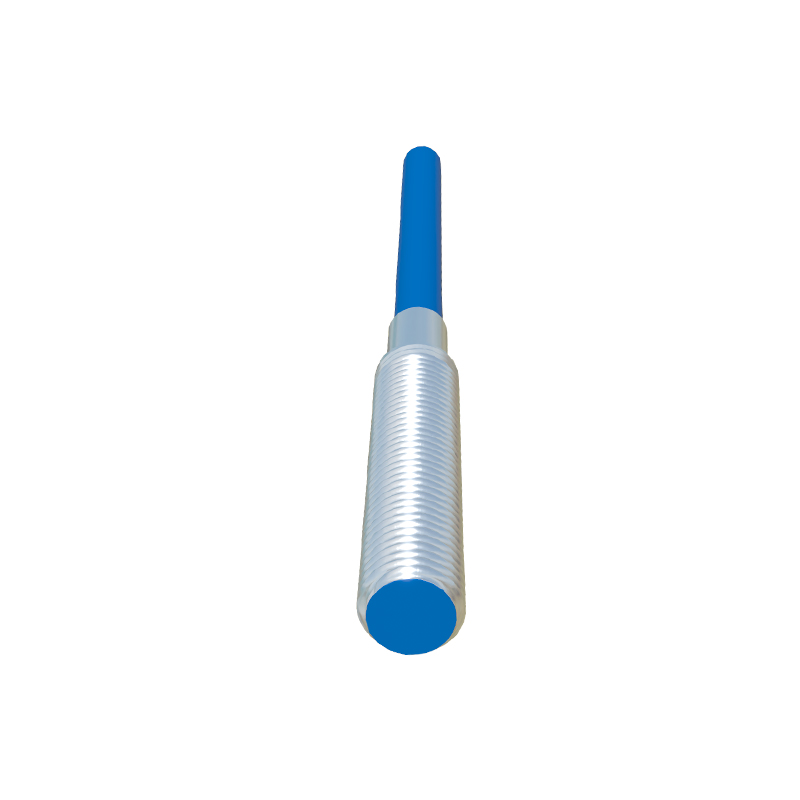
Proximity sensors are indispensable components in modern industrial automation, offering non-contact detection of objects within a specific range. These devices are widely employed across various sectors due to their reliability, durability, and ability to operate in harsh environments. One primary application is in manufacturing assembly lines, where they detect the presence or absence of components, ensuring precise positioning and preventing jams. For instance, in automotive production, inductive proximity sensors identify metal parts like engine blocks or chassis, triggering robotic arms for welding or assembly. Similarly, capacitive sensors handle non-metallic materials such as plastics or liquids, commonly used in packaging or bottling plants to monitor fill levels or verify container placement.
In material handling and logistics, proximity sensors play a critical role in conveyor systems. They monitor item movement, count products, and control sorting mechanisms, enhancing efficiency in warehouses and distribution centers. Magnetic proximity sensors are often integrated into pneumatic cylinders to detect piston position, enabling automated control in machinery like presses or lifts. Additionally, these sensors are vital in safety applications, such as detecting door closures on machinery guards to prevent accidental startups, thereby protecting personnel from hazards.
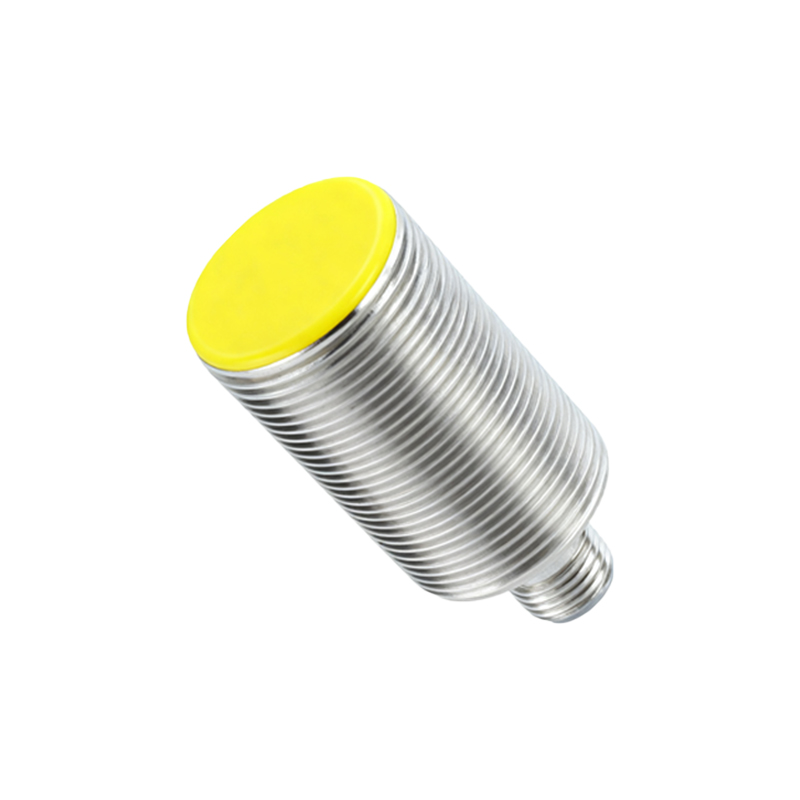
The automotive industry relies heavily on proximity sensors for quality control and process automation. They are embedded in robotic welding cells to confirm part alignment, and in painting booths to ensure proper distance between spray guns and surfaces. In the food and beverage sector, stainless-steel-housed sensors withstand frequent washdowns, detecting containers on filling lines or monitoring ingredient levels in mixing tanks. Aerospace and defense applications utilize high-precision sensors for gear positioning in aircraft landing systems or missile guidance mechanisms, where accuracy is paramount.
Proximity sensors also find use in renewable energy systems, such as wind turbines, where they monitor blade pitch or brake engagement. In the pharmaceutical industry, they ensure sterile packaging integrity by verifying seal presence on blister packs. Even in everyday consumer electronics, miniature proximity sensors detect screen proximity during phone calls to disable touchscreens, preventing unintended inputs. Their versatility extends to agricultural machinery, where they assist in automated planting or harvesting by detecting crop rows or implement positions.
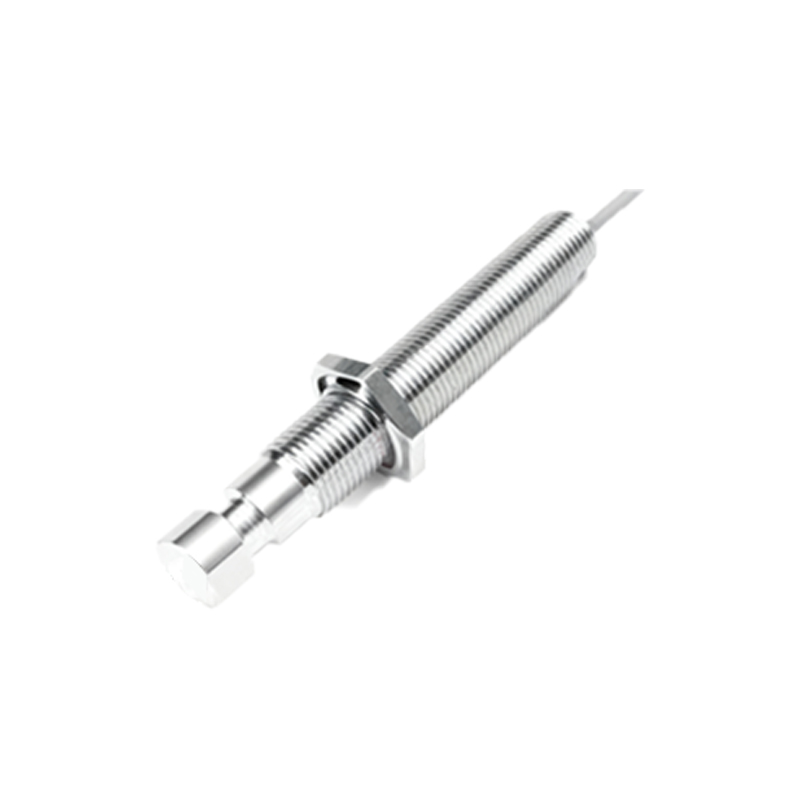
Overall, the deployment of proximity sensors spans from heavy industrial settings to delicate electronic devices, driven by their ability to provide real-time feedback without physical contact. This reduces wear and tear, minimizes maintenance, and boosts operational uptime. As Industry 4.0 advances, these sensors are increasingly integrated with IoT platforms, enabling predictive maintenance and data-driven optimization. Selecting the right sensor type—inductive, capacitive, magnetic, or ultrasonic—depends on factors like target material, environmental conditions, and required sensing range, ensuring tailored solutions for diverse industrial needs.