In the dynamic landscape of industrial automation, the demand for precision, reliability, and adaptability has never been higher. Standard proximity sensors, while effective for many applications, often fall short when faced with unique spatial constraints, specific material detection requirements, or harsh environmental conditions. This is where the concept of on-demand customization for square proximity sensors becomes a critical engineering solution. Unlike their cylindrical counterparts, square proximity sensors offer distinct advantages in mounting flexibility and space utilization, making them ideal candidates for tailored designs that meet exact operational parameters.
The core principle of a proximity sensor—detecting the presence or absence of an object without physical contact—remains constant. However, the square form factor allows for a more efficient use of panel space and can simplify installation in machinery with rectangular cut-outs. Customization begins with a thorough analysis of the application's specific needs. Key parameters include sensing range, which must be precisely calibrated for the target material, whether it is ferrous metal, non-ferrous metal, or a specialized alloy. The output configuration is another vital consideration; engineers must decide between NPN or PNP transistor outputs, NO (Normally Open) or NC (Normally Closed) circuits, and analog or digital signals based on the control system's architecture.
Environmental resilience is a paramount factor in customization. Industrial settings can expose sensors to extreme temperatures, high-pressure washdowns, corrosive chemicals, or intense vibration. A standard off-the-shelf sensor might succumb to these conditions. Customized square sensors can be engineered with specific ingress protection (IP) ratings, such as IP67 or IP69K, ensuring complete dust-tightness and protection against high-temperature, high-pressure water jets. Housing materials can be upgraded from standard plastics to stainless steel (e.g., SUS303, SUS304) or specialized coatings to resist corrosion from oils, coolants, or saline atmospheres. Furthermore, sensing face materials can be altered; a Teflon-coated face is invaluable in food and beverage or packaging industries where adhesive materials like glue or labels are present, preventing buildup and ensuring consistent detection.
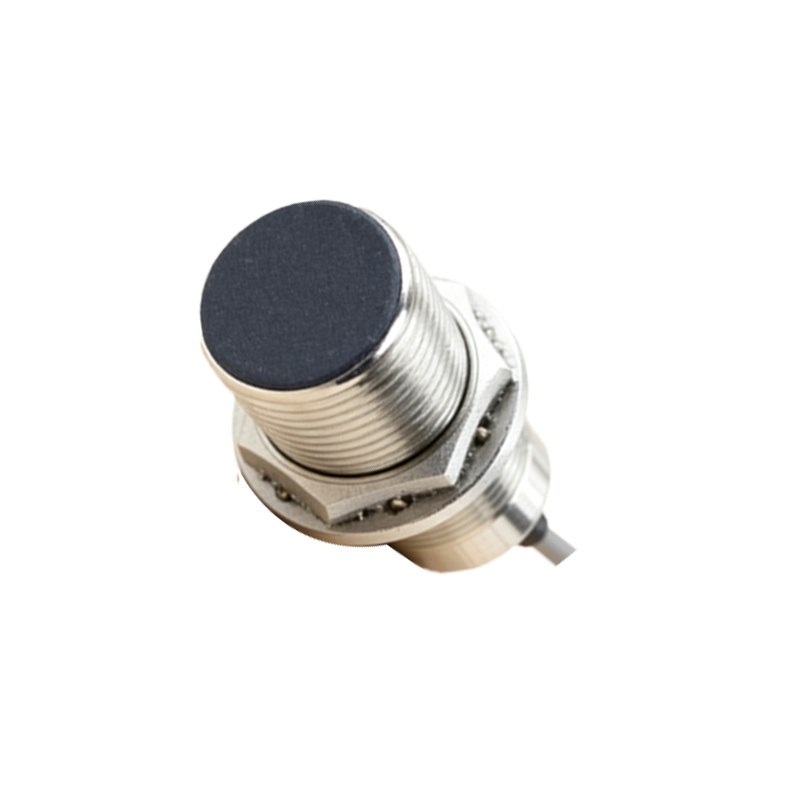
Electrical and connection customization is equally crucial. Cable length and type must be specified to withstand continuous flexing in cable carrier applications or exposure to UV light. Some designs may require pre-wired connectors (e.g., M8, M12) for quick disconnect, while others might need an integral cable gland for strain relief. For applications involving variable positioning or speed monitoring, customized sensors with analog current (4-20mA) or voltage (0-10V) outputs provide continuous feedback, unlike a simple on/off digital signal.
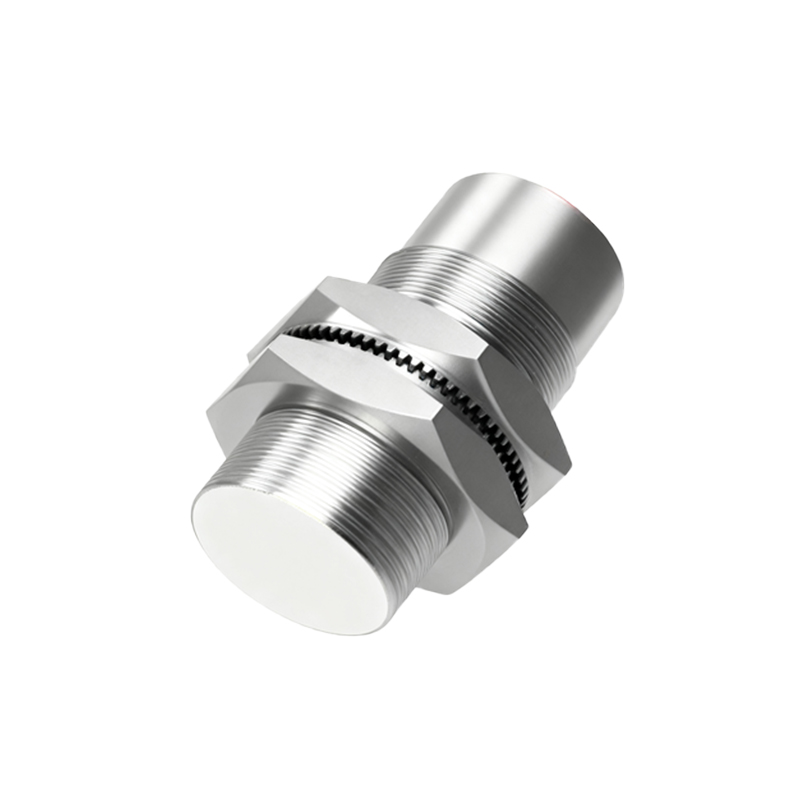
The process of on-demand customization is a collaborative partnership between the client's engineering team and the sensor manufacturer's application specialists. It typically involves stages of consultation, prototype development, rigorous testing in simulated or real-world conditions, and final production. This ensures the final product is not merely a modified standard unit but a purpose-built solution. For instance, in automated assembly lines, a customized square sensor might feature an exceptionally short housing depth to fit into a tight robotic end-effector, with a focused sensing field to ignore background metal. In lumber processing, a sensor might be customized with a extended range and a hardened face to detect wood blocks despite sawdust contamination.
Ultimately, investing in customized square proximity sensors translates to long-term operational efficiency and cost savings. A perfectly tailored sensor reduces false triggers, minimizes downtime due to sensor failure, and optimizes the performance of the entire automated system. It eliminates the compromises often associated with selecting a standard sensor, providing a perfect fit for the application's mechanical, electrical, and environmental challenges. As Industry 4.0 pushes for greater flexibility and intelligence on the factory floor, the ability to specify sensors on-demand will continue to be a cornerstone of advanced manufacturing and material handling solutions, ensuring that sensing technology keeps pace with innovative machine design.