Metal proximity sensors are indispensable components in modern industrial automation, offering reliable detection of metallic objects without physical contact. As an electrical engineer with years of experience in sensor integration, I often encounter questions about the pricing of these devices. The cost of a metal proximity sensor is influenced by a complex interplay of technical specifications, environmental requirements, and market dynamics. This article aims to demystify the pricing structure and provide insights into making cost-effective procurement decisions.
Firstly, the sensing technology itself is a primary cost driver. Inductive proximity sensors, the most common type for metal detection, vary in price based on their operating frequency, sensing range, and output type (e.g., NPN, PNP, or analog). High-frequency sensors capable of detecting small or fast-moving objects typically command a premium. For instance, a standard 12mm diameter sensor with a 4mm range may cost between $20 to $50, while a specialized model with extended range or high-speed response can exceed $100. Additionally, sensors with built-in diagnostics or IO-Link communication features add to the upfront cost but may reduce long-term maintenance expenses.
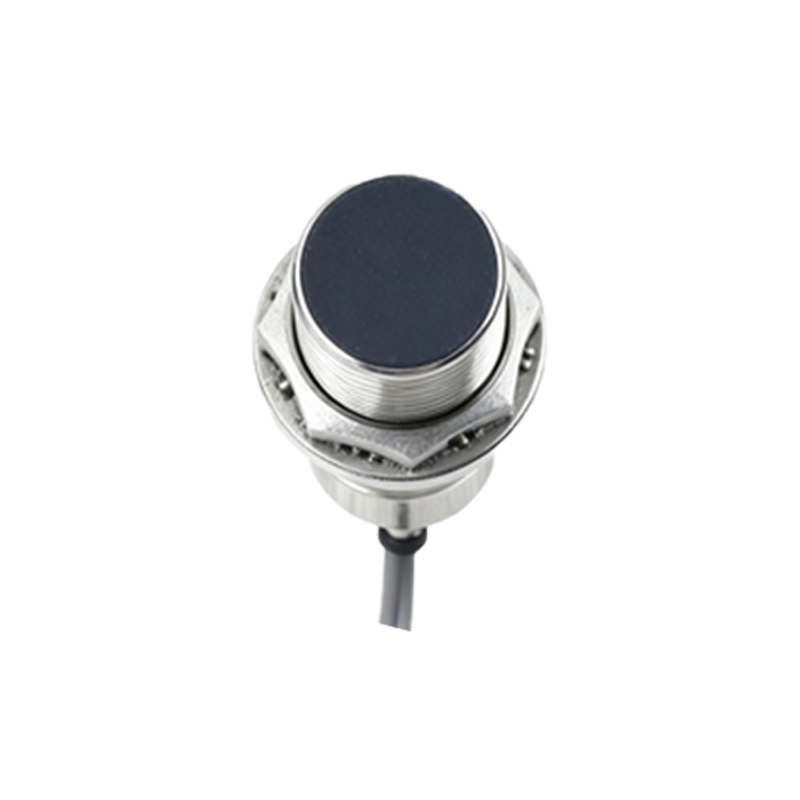
Material and construction quality significantly impact durability and price. Sensors designed for harsh environments—featuring stainless steel housings, epoxy-sealed electronics, and high IP (Ingress Protection) ratings (e.g., IP67 or IP69K)—are more expensive than basic plastic-housed units. In applications involving extreme temperatures, chemicals, or washdowns, investing in robust sensors is crucial to avoid frequent replacements. For example, a standard sensor might cost $30, but an industrial-grade variant with corrosion resistance can range from $60 to $150.
Brand reputation and supply chain factors also play a role. Established manufacturers like Siemens, Omron, or Pepperl+Fuchs often price their sensors higher due to proven reliability, comprehensive warranties, and global support networks. However, competitive alternatives from emerging brands may offer similar performance at lower prices, though engineers must assess quality consistency. Bulk purchasing through authorized distributors can lead to discounts of 10-20%, while custom configurations (e.g., specific cable lengths or connectors) may incur additional charges.
Market trends, such as the adoption of Industry 4.0 and smart manufacturing, are reshaping sensor pricing. Sensors with IoT capabilities or integration into networked systems might have higher initial costs but enable predictive maintenance, reducing downtime. When evaluating quotes, consider total cost of ownership (TCO), including installation, calibration, and lifecycle expenses. A cheaper sensor that fails prematurely can incur hidden costs in production halts and labor.
To optimize budgets, engineers should clearly define application requirements: required sensing distance, target metal type (e.g., steel, aluminum), response time, and environmental conditions. Requesting detailed quotes from multiple suppliers with breakdowns of unit prices, shipping, and support terms is advisable. In summary, while metal proximity sensor prices vary widely—from under $20 for basic models to over $200 for advanced versions—a strategic focus on technical needs and long-term value ensures cost-efficient selections without compromising system integrity.