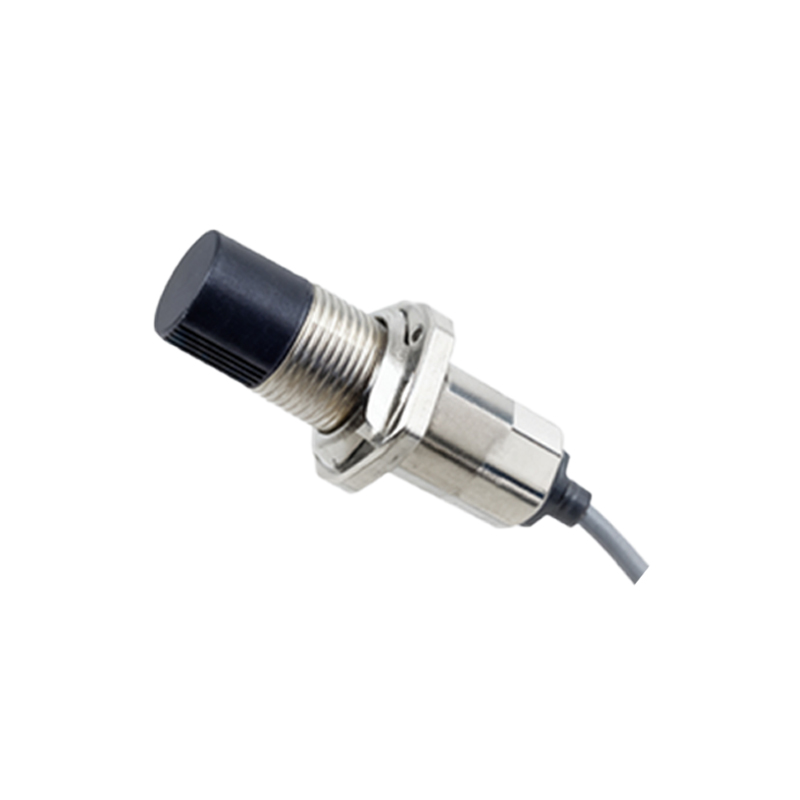
In the realm of industrial automation and control systems, proximity sensors stand as indispensable components, enabling non-contact detection of objects with high precision and reliability. These devices are engineered to sense the presence or absence of a target object within a specified range without any physical contact, thereby eliminating mechanical wear and tear, reducing maintenance needs, and enhancing operational efficiency. The fundamental principle behind most proximity sensors involves generating an electromagnetic field or a beam of radiation and detecting changes in that field or the return signal caused by the presence of a target. This article delves into the various types of proximity sensors, their operational mechanisms, typical applications, and key considerations for selection in industrial settings.
One of the most prevalent types is the inductive proximity sensor. Designed to detect metallic objects, these sensors operate on the principle of electromagnetic induction. The sensor contains a coil through which an alternating current passes, generating an oscillating electromagnetic field. When a ferrous or non-ferrous metal object enters this field, eddy currents are induced in the target, which in turn dampens the oscillation amplitude of the sensor's coil circuit. This change is detected by the sensor's internal circuitry, triggering an output signal. Inductive sensors are highly valued for their robustness, resistance to environmental contaminants like dust and oil, and their ability to function in harsh conditions. Common applications include position sensing of metal parts on conveyor lines, end-of-travel detection in machinery, and counting metallic objects.
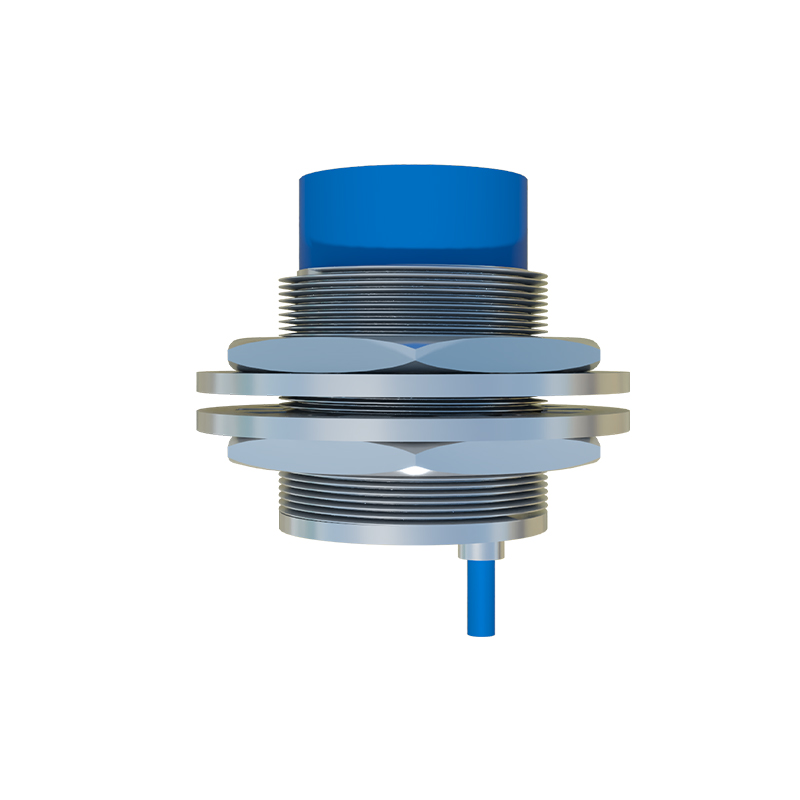
In contrast, capacitive proximity sensors are capable of detecting both metallic and non-metallic materials, including liquids, plastics, glass, and wood. They function by generating an electrostatic field. The sensor essentially acts as one plate of a capacitor, with the target object acting as the other plate. As an object approaches the sensor, it alters the capacitance of the system. This change in capacitance is measured, and when it exceeds a preset threshold, the sensor switches its output state. This makes capacitive sensors exceptionally versatile for applications such as liquid level detection in tanks, material presence sensing in packaging of granular or powdered substances, and detecting non-metallic objects on production lines.
For applications requiring detection of objects from a greater distance or sensing of non-metallic materials where capacitive sensing might be less stable, ultrasonic proximity sensors offer an excellent solution. These sensors emit high-frequency sound waves (ultrasonic pulses) and measure the time taken for the echo to return after reflecting off a target object. By calculating the time-of-flight, the sensor can determine both the presence and the distance to the object. They are largely unaffected by the object's color, transparency, or material (provided it reflects sound), making them ideal for challenging environments. Typical uses include distance measurement, pallet detection in warehouses, and level sensing of bulk solids in silos.
Another critical category is the photoelectric sensor, which uses a light beam—often infrared, visible red, or laser—to detect objects. These sensors consist of a light emitter and a receiver. They are further classified into three main operating modes: through-beam, retro-reflective, and diffuse reflective. Through-beam sensors have separate emitter and receiver units; an object is detected when it interrupts the light beam. This mode offers the longest sensing range and highest reliability. Retro-reflective sensors use a single unit with both emitter and receiver, relying on a reflector to bounce the light back; detection occurs when the beam is blocked. Diffuse reflective sensors detect light reflected directly off the target object itself. Photoelectric sensors are pivotal for detecting small objects, transparent materials, and for high-speed counting applications on packaging lines.
Magnetic proximity sensors, or reed switches, are designed specifically to detect the presence of a permanent magnet. They consist of two ferromagnetic reeds sealed in a glass tube. When a magnet approaches, the reeds are magnetized and attract each other, closing the electrical contact. These sensors are simple, cost-effective, and consume very little power, making them perfect for battery-operated devices, door/window position sensing in security systems, and as limit switches in clean environments.
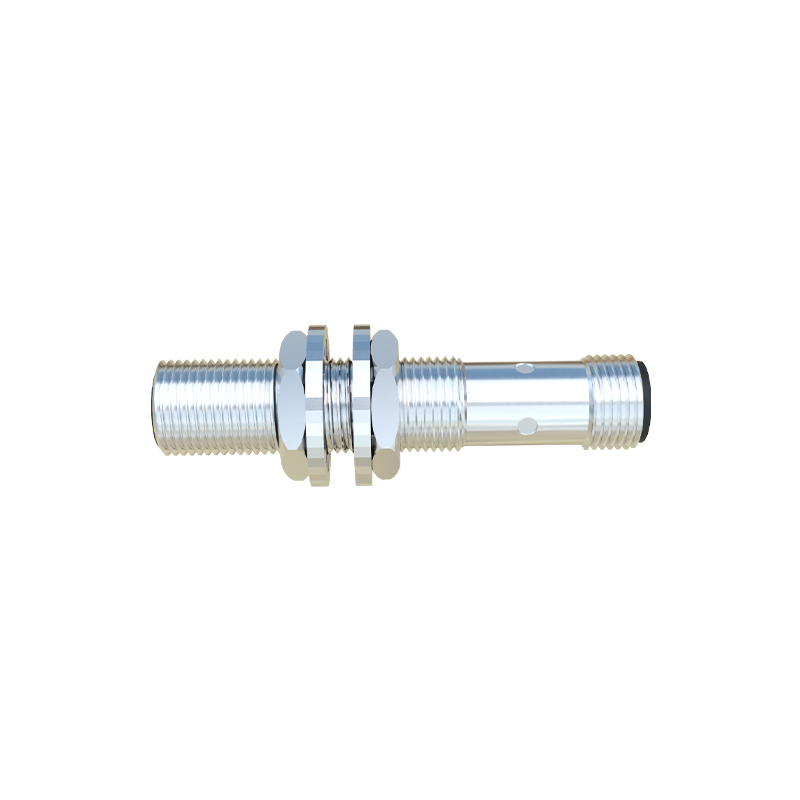
Selecting the appropriate proximity sensor for a specific application requires careful analysis of several parameters. The nature of the target material (metal, plastic, liquid) is the primary determinant in choosing between inductive, capacitive, or other types. The required sensing distance, or range, must be considered, ensuring the sensor can reliably detect from the necessary standoff distance. Environmental factors are crucial; sensors may need to withstand extreme temperatures, washdowns (IP ratings), exposure to chemicals, or heavy vibration. The output type (e.g., NPN, PNP, analog, IO-Link) must be compatible with the existing control system (PLC). Finally, the physical size and mounting configuration of the sensor must fit the mechanical constraints of the application.
In conclusion, proximity sensors are the silent sentinels of modern automation, providing critical data for control, safety, and efficiency