Proximity switch sensors, often simply called proximity sensors, are foundational components in modern industrial automation and control systems. Their primary function is to detect the presence or absence of an object within a specified sensing range without any physical contact. This non-contact detection capability is their defining characteristic and the source of their immense value across countless applications. Unlike mechanical limit switches that require physical actuation, proximity sensors operate reliably in harsh environments, offering high-speed response, long service life, and exceptional durability.
The core principle behind their operation varies by type, each suited to different materials and conditions. Inductive proximity sensors are the most common in industrial settings. They generate an electromagnetic field and detect the eddy current losses caused when a metallic object (the target) enters this field. They are ideal for detecting metals like steel, aluminum, or copper and are widely used in machine tools, robotic arms, and conveyor systems for position verification, counting, and end-of-travel detection. Their sensing range is relatively short and depends on the target metal's properties.
Capacitive proximity sensors, on the other hand, can detect both metallic and non-metallic materials, including liquids, plastics, glass, and wood. They function by measuring changes in capacitance between the sensor's face and the target object. This makes them perfect for applications like liquid level sensing in tanks, detecting filled packages on a line, or monitoring the presence of granular materials. Ultrasonic proximity sensors use sound waves beyond human hearing. They emit ultrasonic pulses and measure the time for the echo to return, calculating distance. They are excellent for detecting objects of virtually any material, over longer ranges, and in challenging environments with dust or vapor, such as in palletizing or bulk material handling.
Magnetic proximity sensors, or reed switches, are activated by the presence of a permanent magnet. They are often used in safety applications, like detecting whether a guard door is securely closed, or in low-speed cylinder position sensing. Photoelectric sensors, while sometimes categorized separately, also serve a proximity detection role using light beams (visible, infrared, or laser) and are crucial for long-range detection and seeing small or transparent objects.
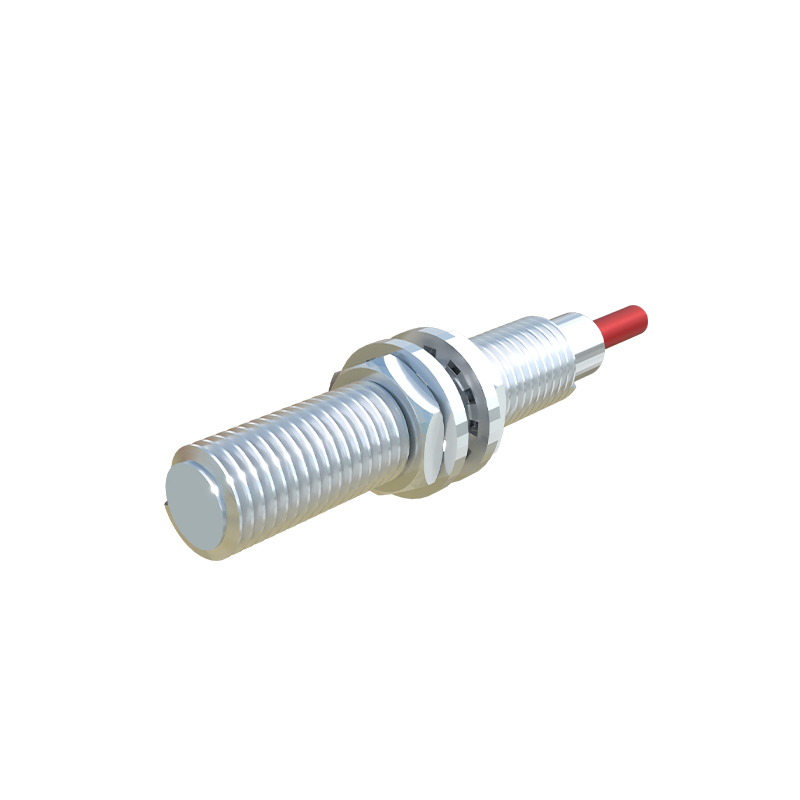
The "switch" in their name is key. When an object is detected within the preset sensing distance, the sensor's internal solid-state switching element changes state. This typically means an output signal is generated—either a digital ON/OFF signal (PNP or NPN sourcing/sinking) or an analog signal proportional to distance. This signal is then fed directly into a Programmable Logic Controller (PLC), robot controller, or other control system to trigger an action. This action could be stopping a motor, starting a weld cycle, incrementing a counter, sorting an item, or activating an alarm.
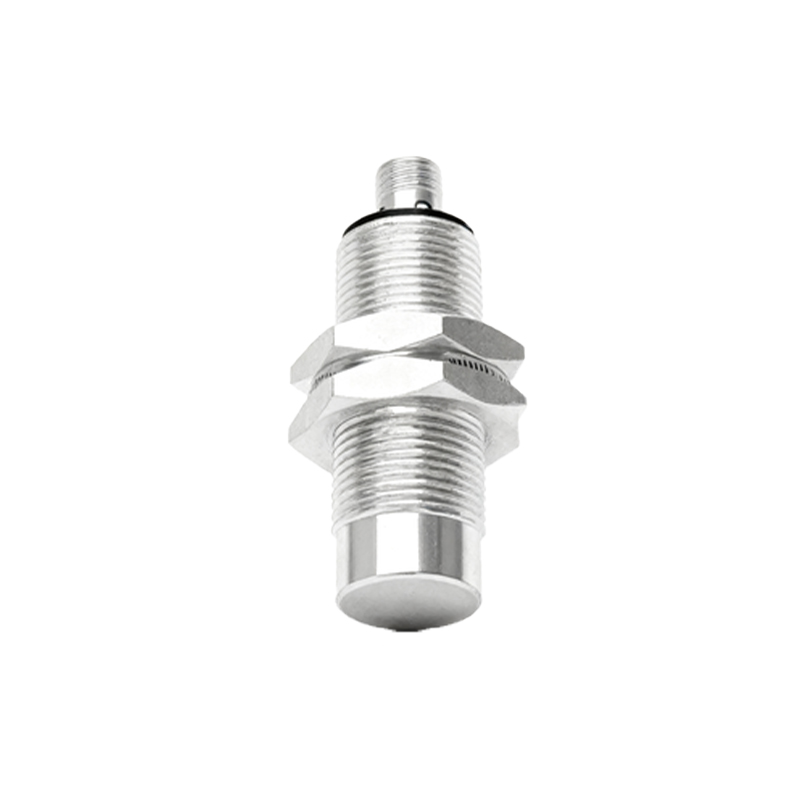
The benefits of using proximity sensors are extensive. Their non-contact nature eliminates mechanical wear and tear, leading to minimal maintenance and a vastly longer operational life compared to mechanical switches. They provide incredibly fast response times, often in microseconds, which is essential for high-speed production lines. They are inherently robust, with many models featuring housings rated IP67 or higher, making them resistant to water, oil, coolant, and vibration. This reliability ensures consistent operation, reduces downtime, and enhances overall system safety and efficiency.
In practical terms, you will find proximity sensors performing critical roles in nearly every industry. In automotive manufacturing, they ensure robotic welders are in the correct position and confirm parts are present before assembly. In packaging, they control the filling level of containers and verify label placement. In material handling, they detect the position of pallets on conveyors and manage automated storage and retrieval systems. They are integral to CNC machines for tool positioning, in elevators for floor leveling, and in countless safety interlocks to protect personnel.
Selecting the right proximity sensor involves careful consideration of several factors: the material of the target object (metal, plastic, liquid), the required sensing distance, the environmental conditions (temperature, contaminants), the electrical output type needed by the control system, and the physical size and mounting constraints. Proper installation is also crucial; factors like sensor flush-mounting versus non-flush, and the influence of adjacent metal (the "side-by-side" effect) must be accounted for to ensure accurate and reliable detection.
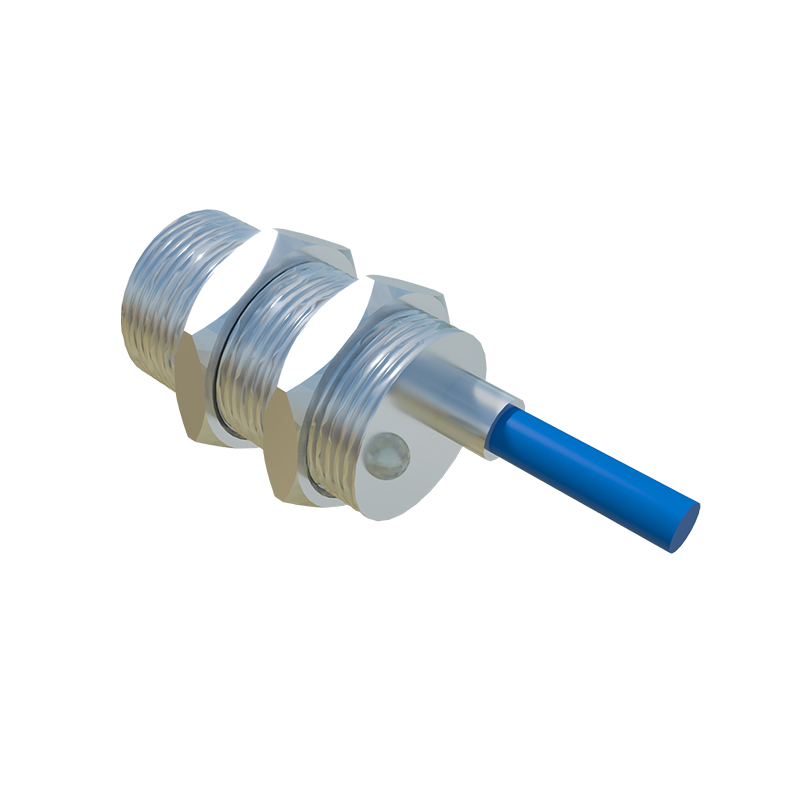
In conclusion, proximity switch sensors are the silent, reliable sentinels of automation. Their fundamental role is to provide a crucial interface between the physical world of objects and the digital world of control logic. By enabling precise, contactless detection, they form the backbone of automated decision-making processes, driving efficiency, safety, and productivity in modern industrial operations. Their continued evolution, with features like IO-Link communication for advanced diagnostics and parameter setting, ensures they will remain indispensable components in the increasingly smart factories of the future.