Metal proximity sensors are indispensable components in modern industrial automation and control systems. These non-contact devices detect the presence or absence of metallic objects without physical contact, offering reliability, longevity, and high-speed operation. Their fundamental operating principle typically involves generating an electromagnetic field. When a metallic target enters this field, it induces eddy currents or causes changes in oscillation amplitude, which the sensor detects and converts into an electrical output signal. This mechanism allows for precise detection even in harsh environments where dirt, oil, or vibration might compromise other sensing methods.
Several primary technologies dominate the metal proximity sensor market. Inductive proximity sensors are the most common, excelling at detecting ferrous metals like iron and steel. They generate a high-frequency oscillating magnetic field. The introduction of a ferrous metal object increases oscillation damping, triggering a switch in the output state. For non-ferrous metals such as aluminum, copper, or brass, specialized versions with altered frequency or sensing face materials are employed. Capacitive proximity sensors, while capable of detecting both metals and non-metals, are often used for metals when specific material properties or longer sensing ranges are required. They sense changes in capacitance caused by the target entering an electrostatic field.
The selection of an appropriate metal proximity sensor hinges on multiple technical parameters. Sensing range, typically specified as the nominal operating distance (Sn), is critical. It is essential to note that the effective sensing distance can vary with the target metal's type, size, and shape; a standard sensor calibrated for steel will have a reduced range for aluminum. Factors like housing material (e.g., stainless steel for washdown areas, nickel-plated brass for general use), output configuration (PNP/NPN, NO/NC), and connection type (pre-wired, quick-disconnect) must align with the application's electrical and physical demands. Environmental ratings, particularly Ingress Protection (IP) and NEMA classifications, are vital for ensuring performance in the presence of coolants, metal chips, or extreme temperatures.
Applications for these sensors are vast and varied. In manufacturing, they are pivotal for part presence verification on conveyor lines, robotic arm end-of-travel positioning, and automated tool changers on CNC machines. The automotive industry relies on them for robotic welding seam tracking and detecting piston position in assembly. Packaging machinery uses them for precise metal foil or cap detection. Their robustness makes them ideal for safety interlocks on machine guards, ensuring a door is securely closed before operation commences.
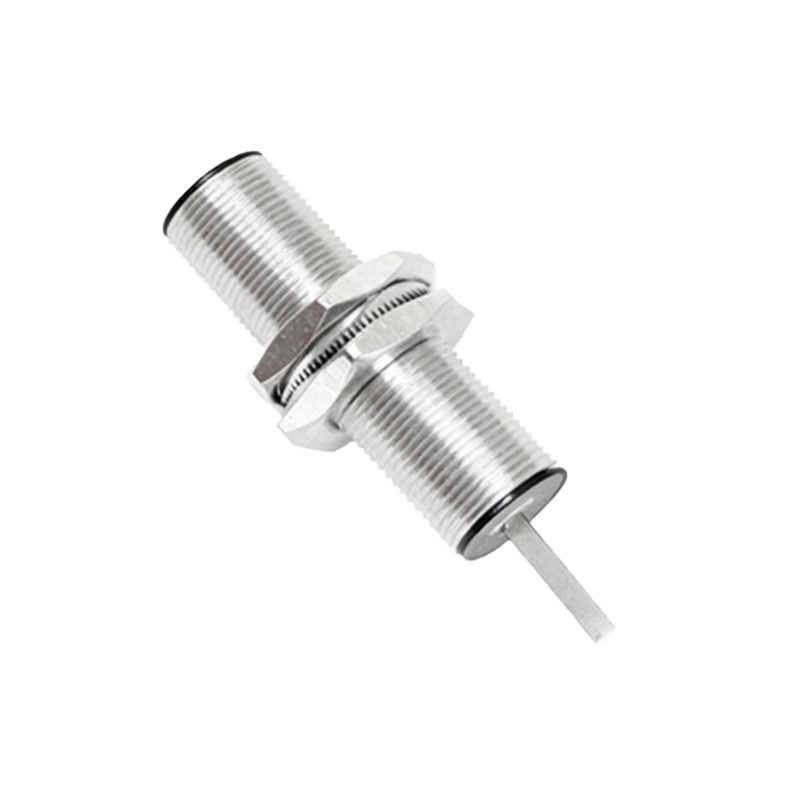
Installation and maintenance practices significantly impact sensor performance and lifespan. Proper mounting is crucial; sensors should be installed so that only the target metal approaches the sensing face, avoiding interference from surrounding metal structures (a phenomenon known as "shielding" or "flush mounting" considerations). Adequate clearance between adjacent sensors prevents mutual interference. Regular maintenance involves cleaning the sensing face of accumulated debris and verifying the electrical connection integrity. While generally maintenance-free, understanding failure modes—such as output welding due to excessive load or damage from physical impact—helps in troubleshooting.
Advancements continue to enhance their capabilities. Modern sensors offer improved noise immunity, embedded diagnostics via IO-Link communication, and miniaturized designs for space-constrained applications. The integration of smart features allows for parameter adjustment, condition monitoring, and predictive maintenance data reporting directly to controllers. When specifying a metal proximity sensor, engineers must balance technical specifications, environmental conditions, and cost to achieve optimal system reliability and efficiency. Their silent, unwavering operation forms the backbone of countless automated processes, making a deep understanding of their function and selection a key competency in electrical and automation engineering.