In the realm of industrial automation and control systems, proximity sensors are indispensable components. Their primary function is to detect the presence or absence of an object without physical contact, triggering subsequent actions in a machine or process. While factors like sensing range, response time, and environmental robustness are often discussed, the detection accuracy of a proximity sensor is arguably its most critical performance parameter. This accuracy directly influences system reliability, product quality, and overall operational efficiency.
Detection accuracy in proximity sensors refers to the consistency and repeatability with which the sensor can identify the presence of a target at a specified point. It is not merely about the maximum sensing distance advertised in datasheets. Instead, it encompasses several interrelated factors that determine how precisely and reliably the sensor performs in real-world conditions.
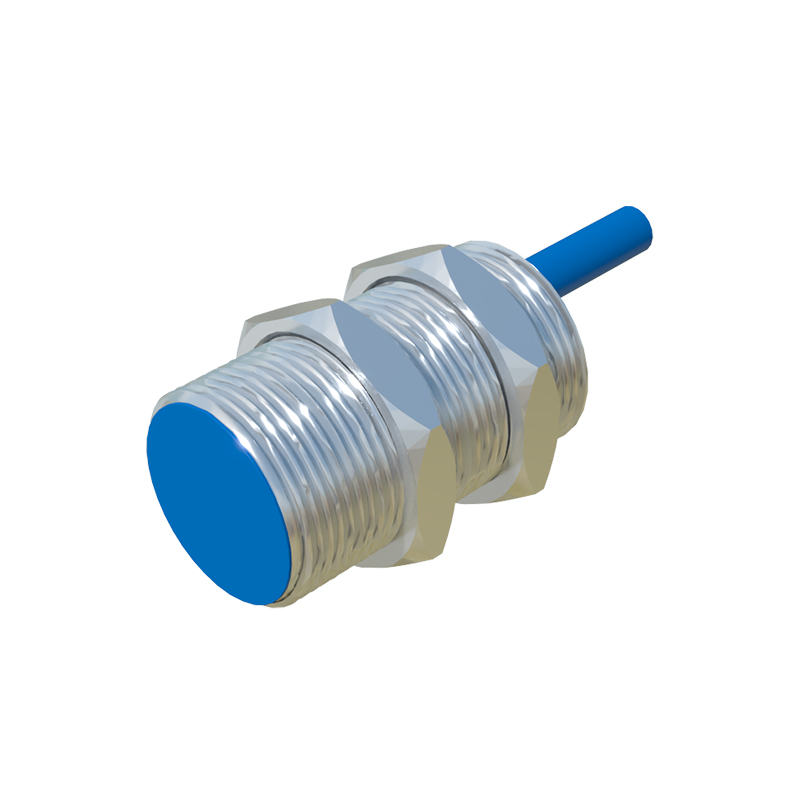
Key Factors Influencing Detection Accuracy:
1. Sensor Technology: The underlying technology—inductive, capacitive, ultrasonic, or photoelectric—fundamentally dictates accuracy characteristics. Inductive sensors, for instance, excel at detecting metals with high repeatability but are influenced by the target's material composition (e.g., steel vs. aluminum). Photoelectric sensors offer longer ranges but can be affected by target color, reflectivity, and ambient light. Choosing the correct technology for the specific target and application is the first step toward ensuring accuracy.
2. Repeatability: This is a quantitative measure of accuracy. It defines the maximum deviation in the sensing position when the same target is presented to the sensor under identical conditions (same approach speed, temperature, etc.). High-quality sensors specify tight repeatability values, often in micrometers (µm). For example, a sensor with ±0.5µm repeatability is far more accurate than one with ±5mm.
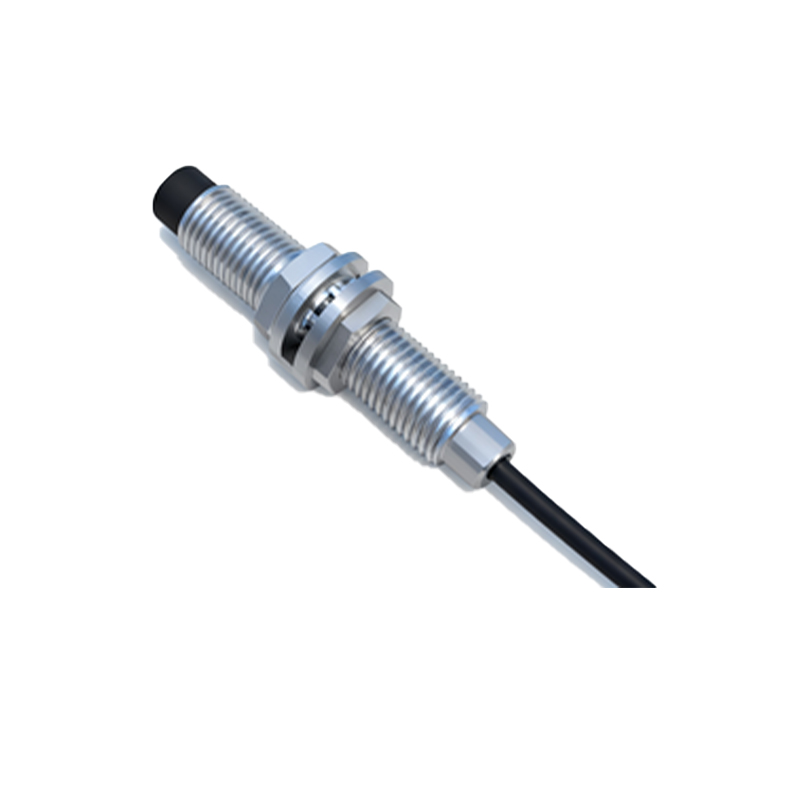
3. Hysteresis: To prevent output chatter when a target is at the exact switching point, proximity sensors incorporate hysteresis. This is the difference between the switch-on point (when the target approaches) and the switch-off point (when the target recedes). While necessary for stable operation, excessive hysteresis can reduce effective accuracy for applications requiring precise positional control. Understanding and accounting for the sensor's hysteresis is crucial.
4. Target Characteristics: The sensor's accuracy is specified for a standard target (e.g., a square of mild steel of a defined size for inductive sensors). Deviations from this standard—such as a smaller target, a different material, or an irregular shape—can significantly alter the effective sensing point and degrade accuracy. Always verify performance with the actual target.
5. Environmental Conditions: Temperature fluctuations are the most common environmental factor affecting accuracy. Thermal expansion can mechanically shift components, and changes in electronic properties can alter the sensing field. Drift in the switching point over a temperature range is a key specification to review. Other factors include voltage supply variations, electromagnetic interference (EMI) in electrically noisy environments, and the buildup of contaminants like oil, dust, or ice on the sensor face.
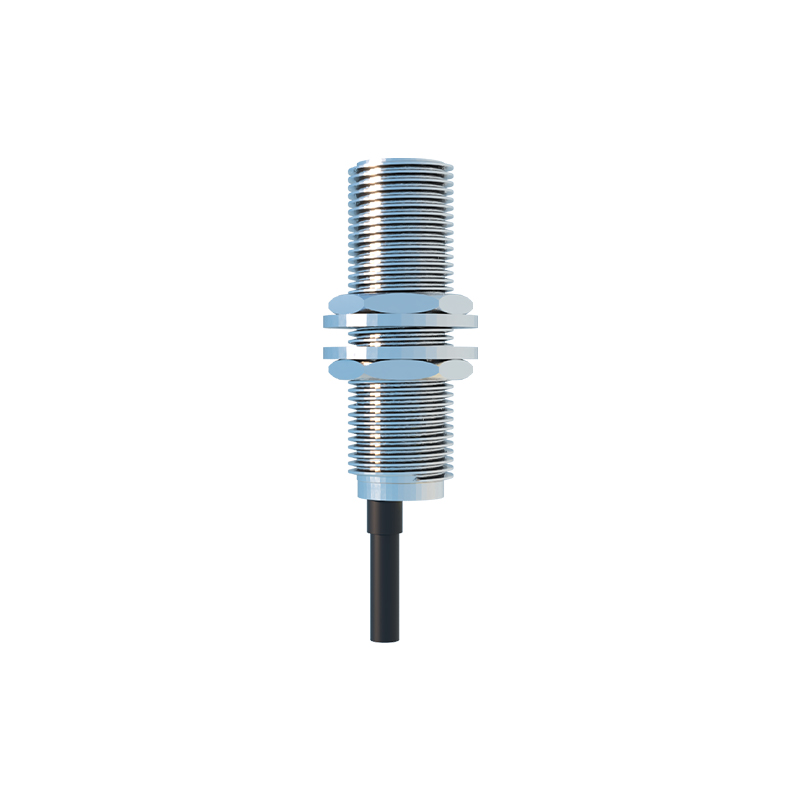
6. Installation and Alignment: Mechanical mounting plays a vital role. Incorrect alignment (non-perpendicular approach), vibration, or mechanical stress on the sensor housing can introduce significant error. Secure, rigid mounting using appropriate brackets is essential to maintain the calibrated sensing relationship.
Strategies for Maximizing Detection Accuracy:
Select for the Application: Do not over-specify on range. Using a sensor with a sensing distance just slightly longer than required often provides better accuracy and stability, as it operates in a more optimal region of its characteristic curve.
Prioritize Repeatability in Specifications: When comparing sensors, give high weight to the published repeatability value under defined conditions.
Implement Temperature Compensation: For critical high-precision applications, choose sensors with built-in temperature compensation circuits or consider operating them in a temperature-controlled environment.
Use Precision Fixturing: Ensure targets are presented consistently via guides, stoppers, or precision actuators. The sensor can only be as accurate as the mechanical system presenting the target.
Regular Calibration and Maintenance: In systems where ultimate precision is required over long periods, establish a schedule for verifying sensor performance against a master standard. Keep sensor faces clean and inspect for physical damage.
Application Examples Highlighting Accuracy Needs:
Robotic Arm Tool Changers: The detection of a successfully engaged tool requires millimeter or sub-millimeter accuracy to ensure process safety and prevent collisions.
Precision Counting of Small Parts: On high-speed assembly lines, accurately counting tiny electronic components or pharmaceutical pills depends on sensors with minimal dead zones and high repeatability.
Synchronization in Printing/Packaging Machinery: The precise registration of marks (e.g., for cutting or folding) relies on photoelectric sensors with exceptional repeatability to avoid material waste.
Position Feedback in Linear Actuators: Inductive sensors often provide the end