In industrial automation and control systems, proximity sensors play a critical role in detecting the presence or absence of objects without physical contact. Selecting the right proximity sensor is essential for ensuring system reliability, efficiency, and safety. This guide provides a comprehensive overview of key factors to consider when choosing a proximity sensor, helping engineers and technicians make informed decisions.
Proximity sensors are classified into several types based on their detection principles. Inductive sensors are ideal for detecting metallic objects and are widely used in manufacturing environments. Capacitive sensors can detect both metallic and non-metallic materials, making them suitable for applications involving liquids, plastics, or wood. Ultrasonic sensors use sound waves to detect objects and are effective in harsh environments where dust or moisture is present. Photoelectric sensors utilize light beams and are excellent for long-range detection or sensing transparent materials. Each type has its strengths and limitations, so understanding the application requirements is the first step in the selection process.
When selecting a proximity sensor, several technical parameters must be evaluated. Sensing range is a primary consideration; it determines the maximum distance at which the sensor can reliably detect an object. The sensor’s output type—whether it is NPN, PNP, analog, or IO-Link—must match the control system’s input requirements. Environmental factors such as temperature, humidity, and exposure to chemicals or vibrations can impact sensor performance. For instance, sensors used in food processing or pharmaceutical industries may require stainless steel housings and IP67 or higher ingress protection ratings. Additionally, response time and switching frequency are crucial for high-speed applications like packaging or assembly lines.
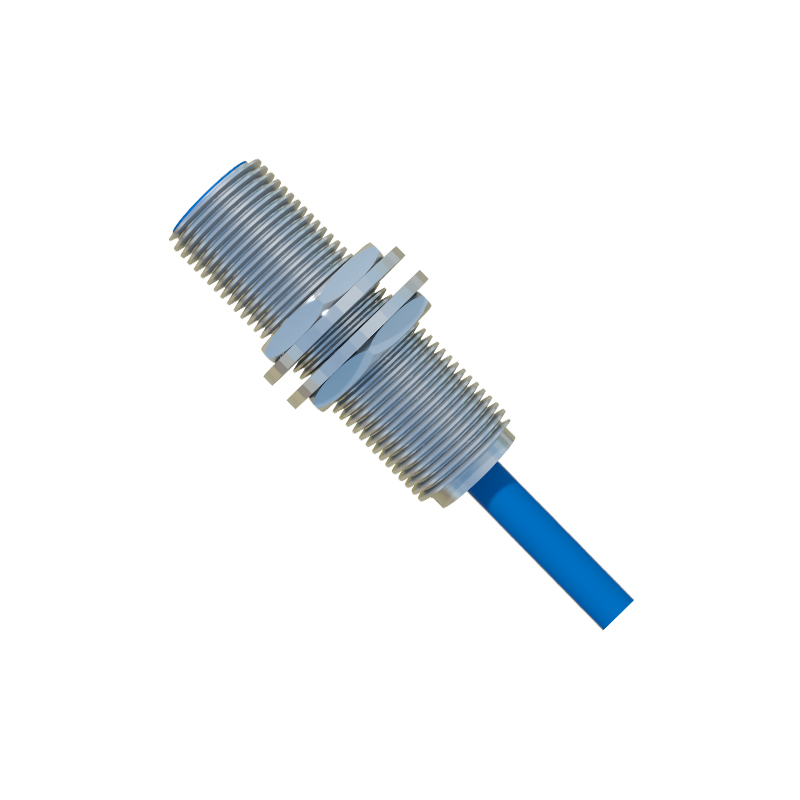
Mounting and installation requirements also influence sensor selection. Factors such as sensor size, shape, and mounting style (flush or non-flush) need to be compatible with the available space and mechanical design. In tight spaces, compact sensors with built-in connectors may be preferred. Wiring and connectivity options, including pre-wired cables or quick-disconnect systems, can simplify installation and maintenance. It is also important to consider the sensor’s electrical specifications, such as supply voltage and current consumption, to ensure compatibility with the power supply and avoid overloading circuits.
Reliability and durability are paramount in industrial settings. Proximity sensors must withstand mechanical stress, electrical noise, and environmental extremes. Look for sensors with robust construction, high-quality materials, and certifications like CE, UL, or ATEX for hazardous areas. Regular maintenance and calibration may be necessary for certain applications, so choosing sensors with easy access to adjustment controls or diagnostic indicators can reduce downtime. Additionally, many manufacturers offer sensors with advanced features like temperature compensation, self-diagnosis, or programmable parameters, which enhance performance and adaptability.
Cost considerations should not be overlooked, but they must be balanced with long-term value. While initial purchase price is a factor, total cost of ownership includes installation, maintenance, and potential downtime costs. Investing in high-quality sensors from reputable brands often pays off through extended service life and reduced failure rates. Many suppliers provide online tools, catalogs, and technical support to assist in selection. Utilizing these resources can help identify the most suitable sensor for specific applications, ensuring optimal performance and return on investment.
In summary, selecting the right proximity sensor involves a thorough analysis of application needs, technical specifications, environmental conditions, and cost factors. By following a systematic approach and leveraging available resources, engineers can achieve reliable and efficient sensor integration in their systems.