In the realm of industrial automation and process control, accurate and reliable level measurement is paramount. Among the diverse technologies available, proximity sensing level sensors stand out for their non-contact operation, robustness, and versatility. This article delves into the working principles, common types, key applications, and critical selection criteria for these essential devices, providing a comprehensive guide for electrical and instrumentation engineers.
At its core, a proximity sensing level sensor detects the presence or absence of a target material—liquid, slurry, or solid—without making physical contact. This is achieved by emitting a field or beam and monitoring changes in its properties caused by the approaching target. The primary advantage of non-contact measurement is the elimination of issues related to material adhesion, corrosion, mechanical wear, and pressure, making these sensors ideal for harsh or sterile environments.
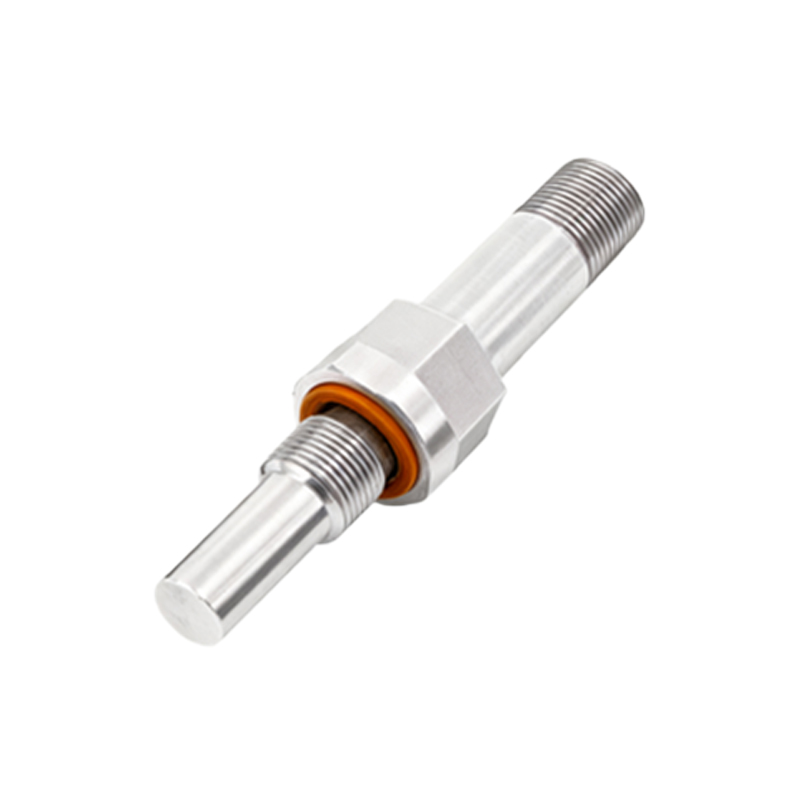
Several technologies fall under the proximity sensing umbrella, each with distinct operating principles and optimal use cases. Inductive proximity sensors are workhorses for detecting conductive liquids or metallic targets. They generate an oscillating electromagnetic field. When a conductive material enters this field, it induces eddy currents, which dampen the oscillation amplitude. The sensor's electronics detect this change and trigger a switching output. These sensors are insensitive to non-conductive materials like plastics or pure water and are excellent for applications involving metals or conductive fluids.
Capacitive proximity sensors, on the other hand, can detect both conductive and non-conductive materials. They function by generating an electrostatic field. Any material with a dielectric constant different from air (which is nearly all materials) will alter the capacitance of the sensor's field when it enters the detection zone. This change in capacitance is measured and converted into a switching signal. This makes capacitive sensors incredibly versatile, suitable for liquids, powders, granules, and even through non-metallic container walls, enabling true non-invasive level detection.
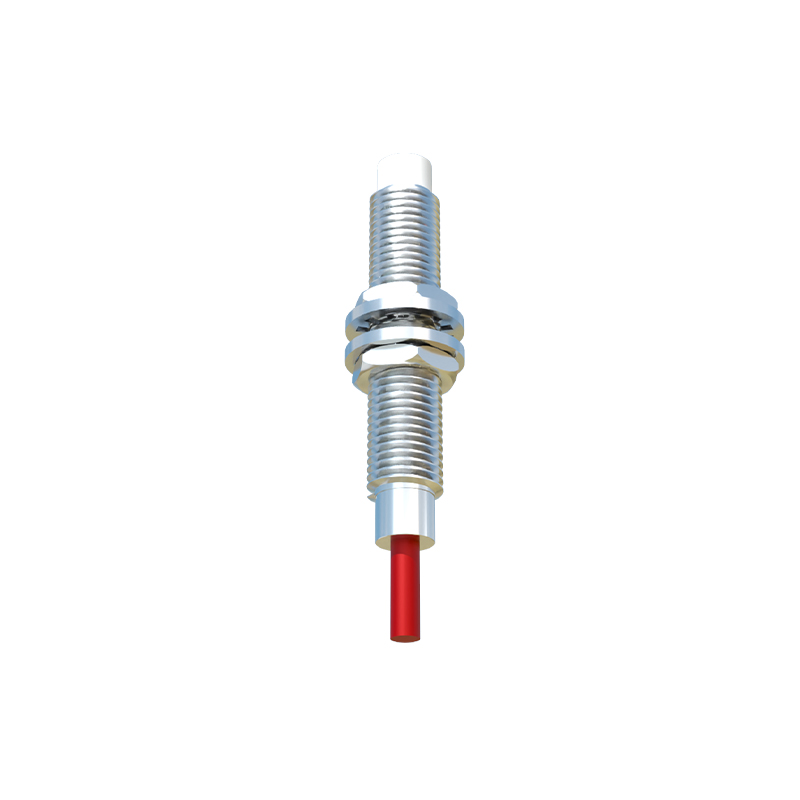
Ultrasonic proximity sensors represent another major category. They operate by emitting high-frequency sound pulses and measuring the time taken for the echo to return from the target surface. While often used for continuous level measurement, they are also deployed as proximity switches for point-level detection. They are unaffected by material properties like conductivity, dielectric constant, or color, but can be influenced by heavy vapor, dust, or surface foam.
The applications for proximity level sensors are vast and span numerous industries. In water and wastewater treatment, they control pump operations and monitor levels in tanks and sumps. The food and beverage industry relies on them for hygienic, non-contact detection of liquids like milk, juice, or brewing ingredients, often requiring sensors with specific sanitary certifications. In chemical processing, their ability to handle corrosive or aggressive media without sensor degradation is crucial. They are also indispensable in bulk solid handling, detecting the presence of powders, grains, or pellets in silos and hoppers.
Selecting the right proximity sensor for a level application requires careful consideration of several parameters. First, the process media must be characterized: Is it conductive or non-conductive? What is its dielectric constant? Is it corrosive, abrasive, or prone to coating? The answers directly point to inductive or capacitive technology. Second, the installation environment is critical: temperature ranges, pressure conditions, and the presence of dust, steam, or vibration can dictate sensor housing material (e.g., stainless steel, PEEK, PTFE) and ingress protection (IP) rating.
The sensing distance (nominal range) must be specified with a safety margin, considering factors like tank wall thickness for capacitive sensors or potential buildup on the sensor face. Output type is another decision point; most proximity sensors provide discrete digital outputs (PNP/NPN, NO/NC) for simple point-level control, but some offer analog (4-20 mA) or IO-Link outputs for advanced diagnostics and parameterization. Finally, compliance with industry standards for safety (e.g., SIL, ATEX, IECEx for hazardous areas) and hygiene (e.g., FDA, EHEDG, 3-A) may be mandatory.
In conclusion, proximity sensing level sensors offer a powerful, non-contact solution for myriad level detection challenges. By understanding the fundamental principles of inductive, capacitive, and ultrasonic technologies, engineers can make informed selections tailored to specific media, environmental conditions, and control system requirements. Their integration enhances system reliability, reduces maintenance, and ensures precise control, solidifying their role as a cornerstone of modern industrial automation. Proper selection and installation are key to unlocking their full potential in ensuring efficient and safe process operations.