In the realm of industrial automation, proximity sensors stand as pivotal components, driving efficiency, precision, and safety across diverse applications. These non-contact devices detect the presence or absence of objects within a specified range, enabling seamless integration into automated systems without physical interaction. Their ability to operate in harsh environments—characterized by dust, moisture, or extreme temperatures—makes them indispensable in modern manufacturing, robotics, and material handling.
Proximity sensors are broadly categorized based on their detection principles, including inductive, capacitive, ultrasonic, and photoelectric types. Inductive sensors, for instance, excel in detecting metallic objects by generating an electromagnetic field, making them ideal for metalworking and automotive assembly lines. Capacitive sensors, on the other hand, can sense both metallic and non-metallic materials, such as plastics or liquids, by measuring changes in capacitance. This versatility allows for applications in packaging, food processing, and pharmaceutical industries where varied materials are handled. Ultrasonic sensors utilize sound waves to detect objects, offering long-range capabilities suitable for level monitoring or obstacle avoidance in logistics. Photoelectric sensors rely on light beams, providing high accuracy for positioning and counting tasks in electronics assembly.
The integration of proximity sensors into automated systems enhances operational efficiency by enabling real-time feedback and control. In conveyor systems, sensors detect product positions, triggering sorting mechanisms or halting operations to prevent jams. In robotic arms, they ensure precise movement and alignment, reducing errors and downtime. Moreover, these sensors contribute to safety by monitoring hazardous zones, automatically shutting down machinery when human presence is detected, thus minimizing workplace accidents. With advancements in Industry 4.0, smart proximity sensors now feature connectivity options like IO-Link or Ethernet, allowing for data exchange and predictive maintenance. This connectivity facilitates remote monitoring, diagnostics, and optimization, leading to reduced maintenance costs and improved productivity.
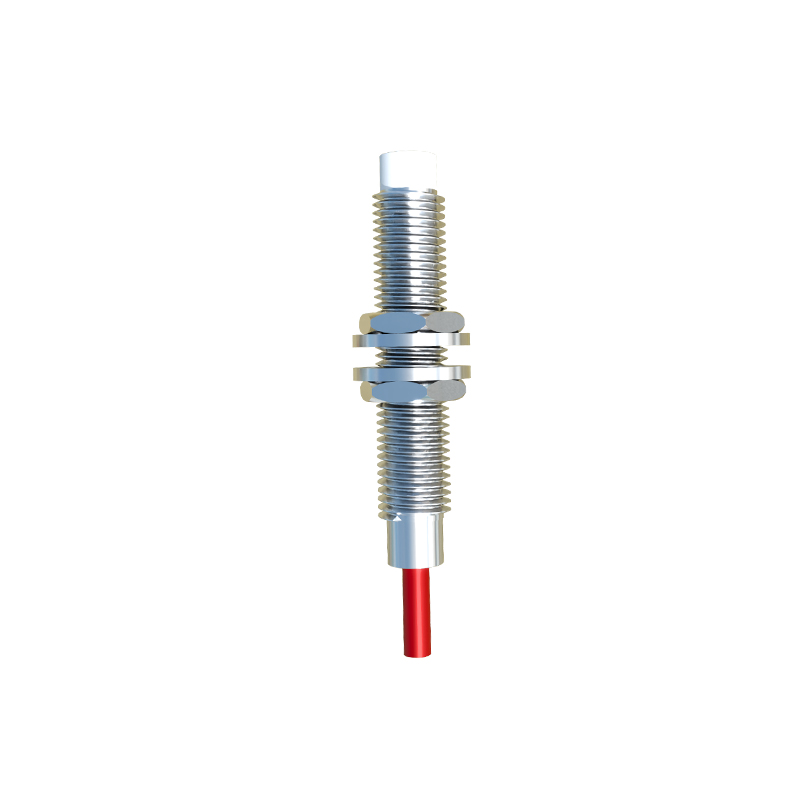
Despite their advantages, selecting the right proximity sensor requires careful consideration of factors such as sensing distance, environmental conditions, and target material. For example, in high-vibration settings, robust sensors with sturdy housings are essential to ensure reliability. Regular calibration and maintenance are also crucial to sustain performance over time. As automation evolves, innovations in sensor technology continue to emerge, including miniaturized designs for compact spaces and enhanced sensitivity for delicate applications. Ultimately, proximity sensors serve as the eyes of automated systems, empowering industries to achieve higher levels of automation, quality control, and safety standards. By leveraging their capabilities, businesses can streamline processes, reduce waste, and adapt to dynamic market demands, solidifying their role in the future of industrial automation.