In the rapidly evolving landscape of industrial automation and compact machinery design, miniature proximity sensors have become indispensable components. Their ability to provide non-contact detection in extremely confined spaces has revolutionized applications from precision assembly robots to advanced medical devices. As an electrical engineer with over fifteen years of field experience, I have witnessed the technological race among leading manufacturers to deliver higher performance in smaller packages. This article provides a professional ranking and technical dissection of the top five miniature proximity sensor series currently dominating the market, based on critical parameters such as sensing distance, housing durability, switching frequency, and environmental resilience.
Taking the top position is the Omron E2E Miniature Series. Renowned for its exceptional reliability and all-metal housing, this series sets the benchmark. Available in both shielded and unshielded M8 and M12 form factors, these sensors offer sensing distances up to 4mm. Their key advantage lies in superior noise immunity and a robust construction that withstands severe industrial environments, including frequent washdowns. The built-in surge and reverse polarity protection circuits make them virtually fault-proof in complex electrical panels. For applications demanding zero-failure performance in automotive welding lines or food packaging, the E2E series is often the undisputed choice.
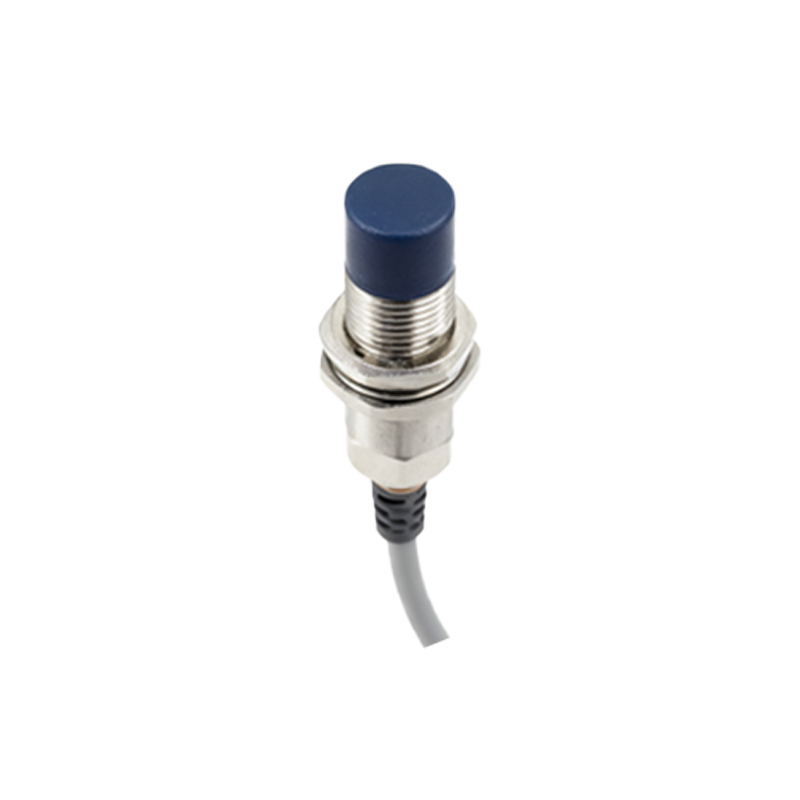
A close contender for the top spot is the Sick W4-3 Series. Sick engineers have achieved a remarkable feat in miniaturization with their cubic housing design, maximizing space efficiency. These sensors excel in high-speed counting and positioning tasks due to their incredibly fast switching frequencies. The innovative "Auto-Teach" function allows for quick and precise calibration on the fly, significantly reducing installation and maintenance downtime. Their consistent performance in detecting small metallic components, like tiny screws or spring clips, on fast-moving conveyors is a testament to their advanced sensing technology.
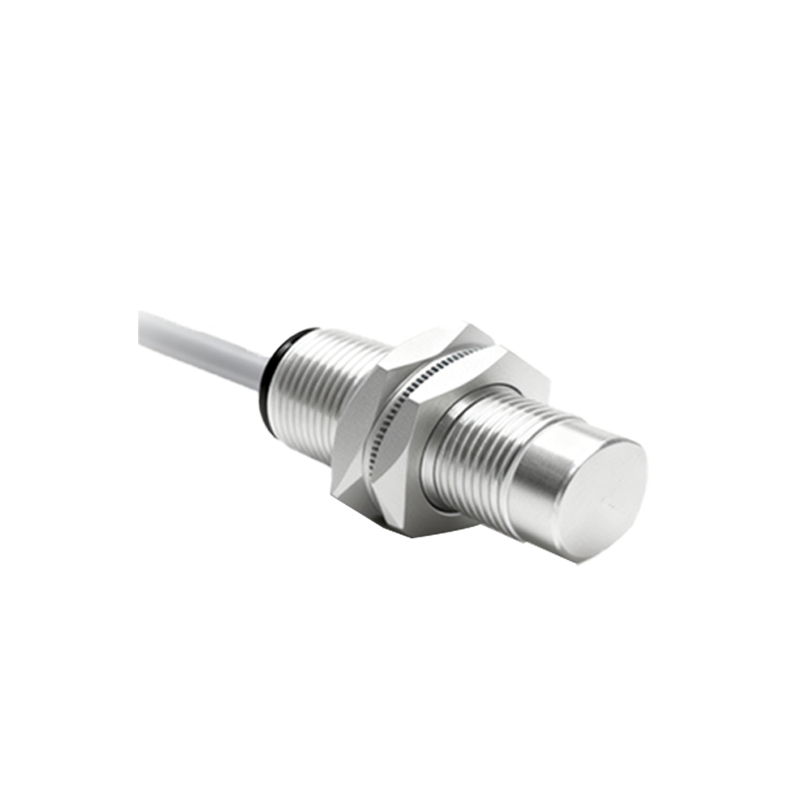
Securing the third rank is the Pepperl+Fuchs MINI-APEX Series. This series stands out for its versatility and application-specific variants. Beyond standard inductive models, they offer capacitive versions for non-metallic target detection and analog output models for precise distance measurement. The housing is engineered from high-grade PBT plastic, providing excellent resistance to chemicals and mechanical stress. Their true strength is in specialized sectors, such as semiconductor manufacturing or pharmaceutical production, where detecting glass vials or monitoring fluid levels in small reservoirs is required.
The Balluff BMF Series earns the fourth position, primarily for its groundbreaking IO-Link integration in a miniature format. These sensors are not just detection devices but smart nodes in Industry 4.0 networks. They transmit detailed diagnostic data—like operating temperature, signal quality, and remaining lifespan—directly to the PLC. This predictive maintenance capability prevents unplanned stoppages. While their base sensing performance is solid, it is their digital intelligence and seamless integration into smart factories that make them a future-proof investment for automated guided vehicles (AGVs) and modular production systems.
Finally, the Turck Q5 Series rounds out the top five with its exceptional durability and connector system. Turck's proprietary "M12-Q5" quick-disconnect design allows for tool-free installation and replacement, a highly valued feature for machine builders aiming to minimize mean time to repair (MTTR). These sensors are built to endure extreme temperatures, high shock, and vibration, making them ideal for harsh applications in mobile hydraulics or outdoor machinery. Their consistent performance under physical duress, where other sensors might fail, guarantees their place in this ranking.
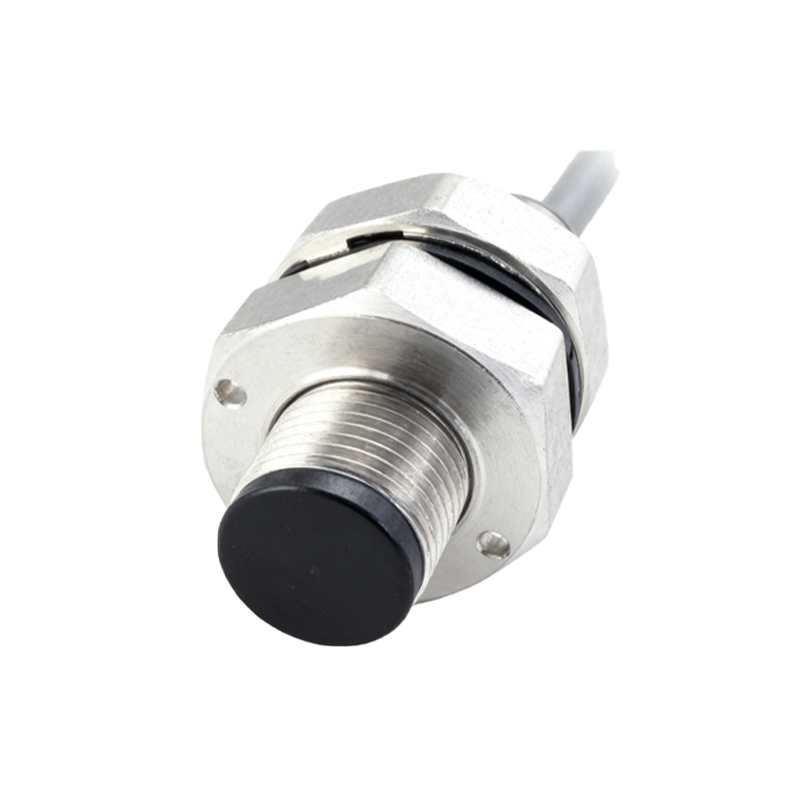
Selecting the right miniature sensor is a calculated trade-off. The Omron E2E is the workhorse for brute-force reliability. The Sick W4-3 is the specialist for speed and space constraints. Pepperl+Fuchs offers critical material versatility. Balluff leads the charge in digitalization, and Turck provides unmatched ruggedness and serviceability. There is no universal "best" sensor; the optimal choice is dictated by the specific electrical, mechanical, and data requirements of your application. Always consult the detailed datasheet, considering factors like target material, required sensing gap, supply voltage, and output configuration (PNP/NPN, NO/NC) before finalizing your design. The ongoing trend is clear: further miniaturization, enhanced intelligence via IO-Link and OPC UA, and increased resilience against electromagnetic interference (EMI) will define the next generation of these critical components.