In the realm of industrial automation and electrical engineering, the classification of components often sparks debate, particularly when it comes to devices like proximity switches. A common question arises: Are proximity switches considered sensors? To address this, we must delve into the definitions, functionalities, and applications of both sensors and proximity switches, drawing from industry standards and practical usage.
First, let's clarify what a sensor is. In technical terms, a sensor is a device that detects or measures a physical property and records, indicates, or otherwise responds to it. Sensors convert physical parameters—such as temperature, pressure, light, or motion—into electrical signals that can be interpreted by control systems. They are essential in monitoring environments, enabling automation, and ensuring safety across various industries, from manufacturing to automotive. Sensors typically provide continuous or discrete output, depending on their design, and are integral to feedback loops in complex machinery.
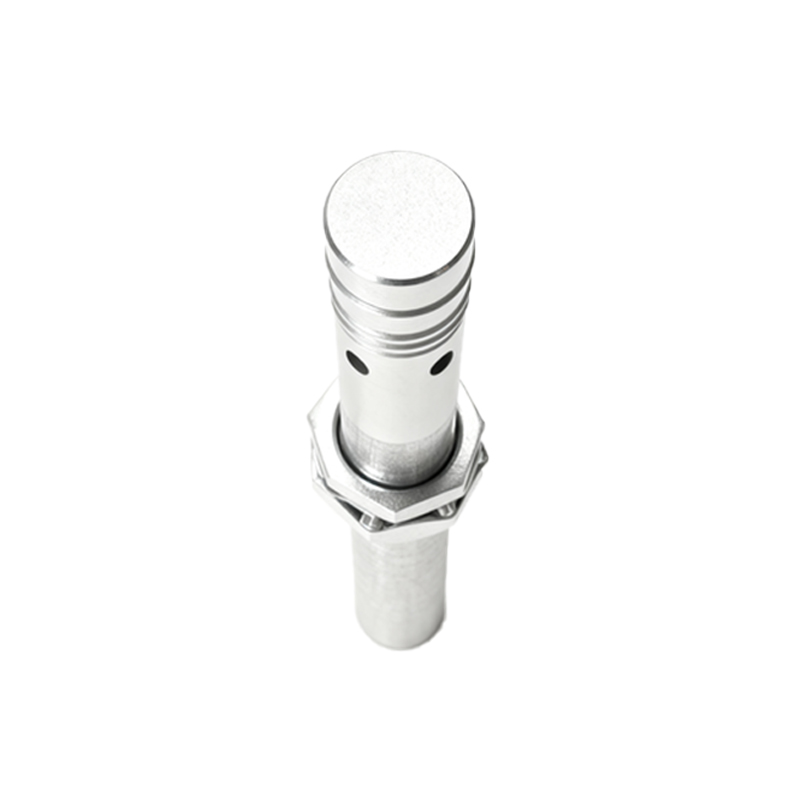
Now, consider the proximity switch. A proximity switch is an electronic device that detects the presence or absence of an object without physical contact. It operates based on principles like electromagnetic fields, capacitance, or infrared light. When an object enters its sensing range, the switch triggers an output signal, often in the form of a digital on/off state. Proximity switches are widely used in applications such as object detection on conveyor belts, position sensing in robotics, and safety interlocks in machinery. They are valued for their reliability, durability, and ability to function in harsh conditions where mechanical switches might fail.
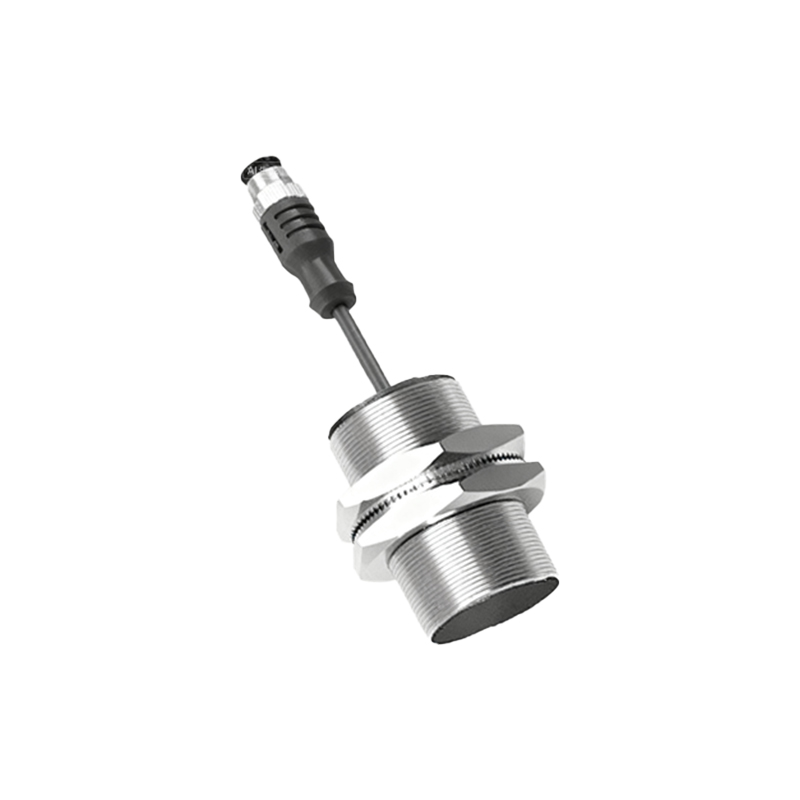
The core of the debate lies in whether proximity switches fit the sensor definition. From a functional perspective, proximity switches indeed detect physical presence—a key characteristic of sensors. They sense changes in their environment (e.g., an object approaching) and produce a corresponding electrical response. In this sense, they align with the sensor category, specifically as non-contact detection devices. Industry standards, such as those from the International Electrotechnical Commission (IEC) or Institute of Electrical and Electronics Engineers (IEEE), often classify proximity switches under the broader umbrella of sensors, particularly in contexts like industrial automation and control systems.
However, some distinctions exist. Traditional sensors might provide analog outputs (e.g., varying voltage levels) that represent continuous measurements, while proximity switches typically offer discrete digital outputs (e.g., high/low signals). This binary nature leads some to argue that proximity switches are more akin to switches or actuators rather than true sensors. Yet, this view is nuanced; many modern sensors also output digital signals for compatibility with microcontrollers and programmable logic controllers (PLCs). Moreover, proximity switches can be seen as a subset of sensors—specifically, proximity sensors—that focus on detection without contact. In fact, terms like "proximity sensor" and "proximity switch" are often used interchangeably in technical documentation, though "switch" emphasizes the output action (switching a circuit) while "sensor" highlights the detection capability.
In practical applications, the classification matters less than understanding the device's role. Proximity switches serve as critical components in automation, providing input to control systems that manage processes, enhance efficiency, and prevent accidents. For instance, in an assembly line, a proximity switch might detect a metal part, signaling a robotic arm to pick it up. Here, it acts as both a sensor (detecting the part) and a switch (triggering the next action). This dual functionality underscores why they are commonly grouped with sensors in engineering contexts.
From an industry perspective, professionals in electrical engineering and automation generally accept proximity switches as sensors. Technical literature, product catalogs, and training materials frequently list them under sensor categories, alongside devices like photoelectric sensors or ultrasonic sensors. Their design principles—relying on physical phenomena to generate signals—further support this classification. Additionally, advancements in technology have blurred lines, with smart proximity switches incorporating features like self-diagnostics or communication protocols (e.g., IO-Link), making them even more sensor-like in their capabilities.
In conclusion, proximity switches are indeed considered sensors within the electrical and automation industries. They fulfill the fundamental sensor purpose of detecting physical changes and converting them into usable signals. While their output may be discrete, this does not disqualify them from the sensor family; rather, it specifies their application niche. For engineers and technicians, recognizing proximity switches as sensors aids in system design, integration, and troubleshooting, ensuring optimal performance in diverse operational settings. As technology evolves, the convergence of sensing and switching functions will likely continue, reinforcing this classification in professional practice.