In the fast-paced world of industrial automation, selecting the right sensing technology is critical for operational efficiency, safety, and cost-effectiveness. Laser proximity sensors have become a cornerstone in this domain, offering unparalleled precision, long-range detection, and reliability in challenging environments. However, navigating the procurement process, specifically obtaining an accurate and comprehensive quotation, can be a complex task. This guide outlines the key technical and application-specific factors you must communicate to suppliers to ensure you receive a precise and actionable laser proximity sensor quote.
The first and most crucial step is to meticulously define your application requirements. A vague request will inevitably lead to a generic quote that may not meet your needs. Start by specifying the exact object you need to detect. Is it a reflective metal surface, a transparent glass pane, a dark rubber belt, or a small component on an assembly line? The material, color, and surface finish dramatically affect the sensor's performance, as they influence the amount of laser light reflected back to the receiver. Furthermore, you must determine the required sensing range. Is it a short-range application for precise positioning (e.g., 2-50 mm) or a long-range task for warehouse logistics (e.g., 10 meters)? The quoted price will vary significantly based on the range capability.
Next, detail the environmental conditions. Will the sensor be installed in a clean, temperature-controlled room or exposed to extreme temperatures, high humidity, oil mist, dust, or direct washdowns? Industrial environments are harsh. Specifying the required Ingress Protection (IP) rating (e.g., IP67, IP69K) and the operating temperature range is non-negotiable. A sensor quoted for a standard IP65 rating will fail in a food processing plant requiring frequent high-pressure cleaning, leading to costly downtime and re-purchasing.
Performance specifications form the technical core of your inquiry. Beyond range, you need to communicate the required accuracy and repeatability. For tasks like wafer handling or robotic pick-and-place, micron-level repeatability is essential. The response time or switching frequency is another critical parameter, especially for high-speed production lines where objects move rapidly. Don't forget the output type required for integration with your PLC or control system. Do you need a standard digital output (PNP/NPN), an analog output (4-20 mA, 0-10V) for distance measurement, or a more advanced IO-Link interface for smart sensor data and diagnostics? Each option carries different cost implications.
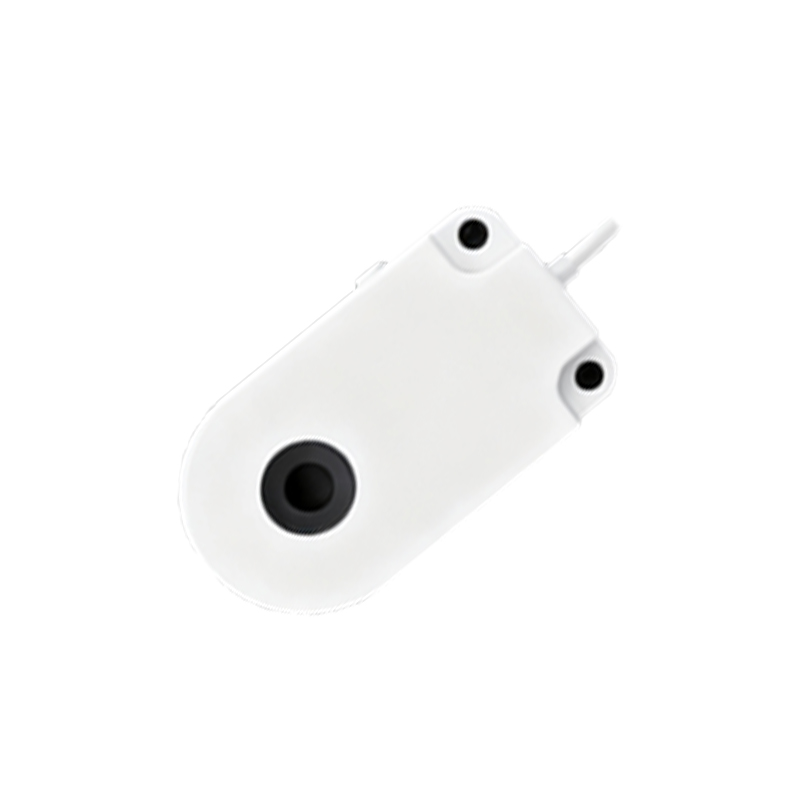
Physical and electrical requirements are often overlooked but vital for a correct quote. Specify the preferred housing style (e.g., cylindrical M18/M30, rectangular), the required connection type (pre-wired cable or quick-disconnect M12 connector), and the supply voltage (e.g., 10-30V DC, 24V DC typical). Also, consider any special mounting needs or space constraints in your machinery.
Finally, communicate your commercial needs clearly. What is the required annual volume? Are you requesting a quote for a prototype batch, a pilot run, or full-scale production? Suppliers often offer tiered pricing based on quantity. Clarify if you need additional services like custom calibration, specific certifications (CE, UL, ATEX for hazardous areas), or technical support during integration.
When you receive a quote, analyze it beyond the unit price. Scrutinize the lead time, warranty terms, minimum order quantities (MOQ), and the terms & conditions. A slightly higher-priced sensor from a supplier with excellent local technical support and readily available stock can offer a lower total cost of ownership than a cheaper alternative with long lead times and poor support.
In conclusion, an accurate laser proximity sensor quote is a direct result of detailed and precise communication. By providing suppliers with a comprehensive specification sheet covering your target object, environment, performance needs, physical constraints, and commercial scale, you empower them to recommend the optimal product. This proactive approach minimizes the risk of selecting an unsuitable sensor, prevents project delays, and ensures your investment delivers the expected return in performance and reliability for your industrial automation system.