In the realm of precision measurement and industrial automation, laser displacement sensors have become indispensable tools. Among the various models available, the WRX series laser displacement sensor stands out for its robust performance, high accuracy, and versatility. This article delves into the operational principles, key application areas, and distinct advantages of the WRX laser displacement sensor, providing a comprehensive overview for engineers and technical decision-makers.
At its core, the WRX laser displacement sensor operates on the principle of triangulation. The sensor emits a focused laser beam onto the target surface. The reflected light from this surface is then captured by a receiving lens and focused onto a position-sensitive detector, typically a CCD or CMOS array. The position of the light spot on this detector changes proportionally to the distance of the target. By precisely calculating this shift in position, the sensor's internal processor determines the displacement or distance with exceptional accuracy. This non-contact method is crucial for measuring delicate, hot, fast-moving, or otherwise inaccessible objects without inducing any physical stress or wear.
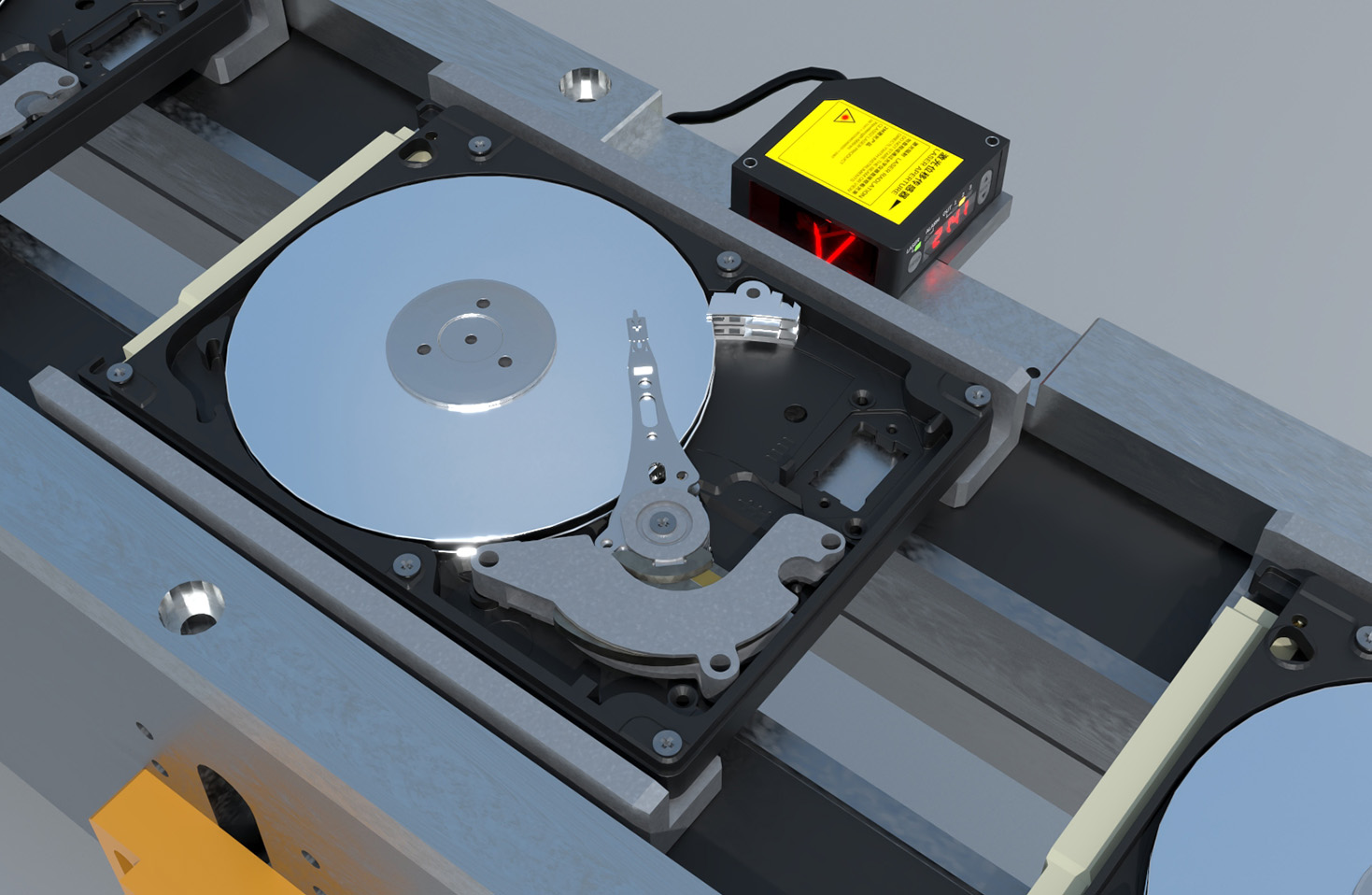
The WRX sensor is engineered to deliver high-performance metrics critical for industrial environments. It typically offers a combination of high resolution, sometimes down to the sub-micron level, and fast sampling rates, enabling real-time monitoring of dynamic processes. Its measurement range is designed to cater to various industrial needs, from small, precise components to larger assemblies. Furthermore, advanced models often incorporate features like automatic sensitivity adjustment to handle different surface colors and textures, from shiny metals to dark, matte finishes, ensuring stable and reliable readings.
The applications of the WRX laser displacement sensor span across numerous industries. In automotive manufacturing, it is used for precise gap and flush measurement between body panels, thickness inspection of brake pads, and vibration analysis. In the electronics sector, it ensures the coplanarity of BGA chips, measures solder paste height on PCBs, and inspects component placement accuracy. Within the metal processing industry, it monitors thickness during rolling processes, measures warpage of sheets, and controls the position of robotic arms for welding or assembly. Additionally, it plays a vital role in quality control for pharmaceuticals (tablet thickness), packaging (fill level, seal integrity), and robotics (guidance and positioning).
Several key advantages make the WRX series a preferred choice. First is its non-contact measurement, which eliminates the risk of damaging the sensor or the target, making it ideal for soft or delicate materials. Second is its high speed and accuracy, allowing it to keep pace with modern high-throughput production lines without compromising on precision. Third is its robustness and reliability. Designed to withstand harsh factory conditions, many WRX sensors feature high IP ratings for resistance to dust and water ingress, and robust housings to endure vibrations and shocks. Fourth is its ease of integration. With standard digital and analog outputs (such as RS-232, Ethernet, EtherNet/IP, PROFINET, and 4-20mA/0-10V), the sensor can be seamlessly integrated into existing PLC, PC, or robotic control systems. Finally, its versatility in handling diverse surface types and environmental challenges reduces the need for multiple sensor types, simplifying system design and inventory.
When selecting a WRX laser displacement sensor for a specific application, engineers must consider several parameters: the required measurement range, resolution, sampling speed, stand-off distance, spot size, and the environmental conditions (temperature, ambient light). Proper installation is also paramount; ensuring a stable mount, minimizing vibration, and aligning the sensor correctly to the target are essential steps to achieve specified performance. Regular maintenance, primarily keeping the lens clean from dust and oil mist, ensures long-term stability and accuracy.
In conclusion, the WRX laser displacement sensor represents a critical technology enabling the high levels of precision, efficiency, and quality demanded by contemporary manufacturing and automation. Its ability to provide fast, accurate, and reliable non-contact measurements makes it a cornerstone for innovation in process control, robotic guidance, and automated inspection. As industries continue to advance towards smarter, more connected systems (Industry 4.0), the role of sophisticated sensors like the WRX will only grow in importance, providing the essential data needed for optimized and intelligent operations.