In the world of industrial automation and machinery, proximity sensors are indispensable components. They provide non-contact detection of metallic and, in some cases, non-metallic objects, enabling precise control, safety, and efficiency. When it comes to procuring these sensors, one of the most common yet complex inquiries is about pricing. A simple "how much does a proximity sensor cost?" rarely yields a straightforward answer. The price is influenced by a multifaceted array of technical specifications, environmental factors, and commercial considerations. This guide aims to equip engineers, procurement specialists, and project managers with the knowledge to formulate precise inquiries that lead to accurate and competitive price quotes.
First and foremost, the core technology defines a significant portion of the cost. Inductive proximity sensors, designed for detecting ferrous and non-ferrous metals, are generally the most cost-effective for standard metal detection tasks. Capacitive sensors, capable of sensing a wider range of materials including liquids, plastics, and wood, often come at a higher price point due to their more complex circuitry. Ultrasonic and photoelectric sensors, used for longer ranges or specific material properties, represent another price tier. Clearly specifying the required sensing technology is the foundational step.
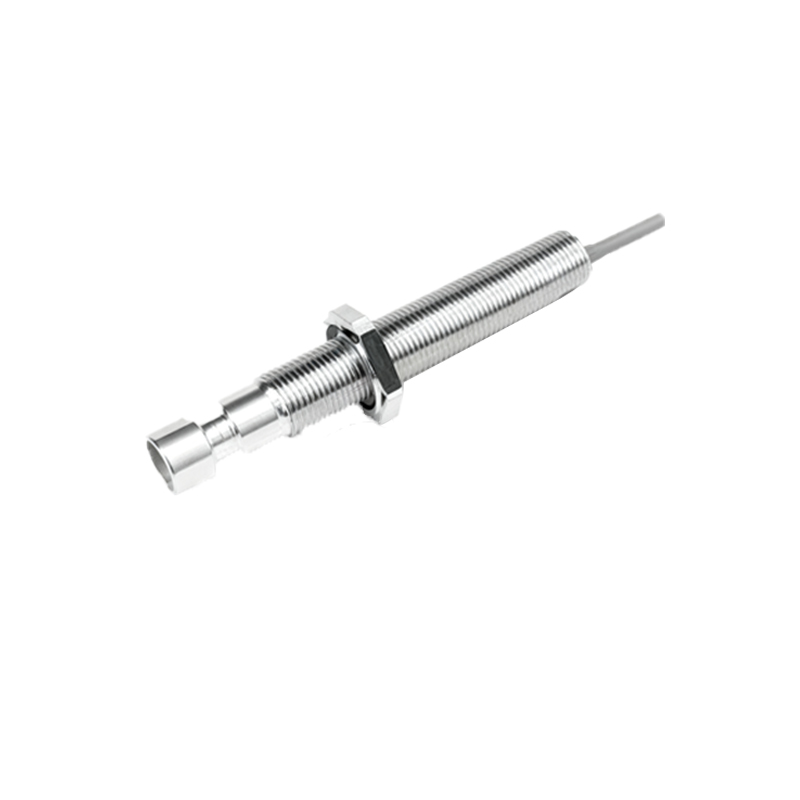
Within each technology, detailed specifications are paramount. The sensing range is critical; a sensor with a 2mm range is vastly different in design and cost from one with a 20mm range. The housing material is another key factor: standard nickel-plated brass or stainless steel housings (like 303 or 316L) are common, but specialized coatings for extreme corrosion resistance (e.g., PTFE, gold plating) add considerable expense. The electrical output type (NPN vs. PNP, NO vs. NC, analog vs. digital) and the connection method (pre-wired cable, quick-disconnect, or M8/M12 connector) also directly impact the bill of materials.
The operating environment dictates necessary ruggedness and certifications. Will the sensor be exposed to washdown conditions with high-pressure caustic cleaners? It will likely require an IP67, IP68, or IP69K rating. Is it for use in hazardous locations with potentially explosive atmospheres? Certifications like ATEX, IECEx, or UL Class I Division 1 are mandatory and significantly increase development and testing costs. Extreme temperatures, high vibration, and strong electromagnetic interference all necessitate design enhancements that influence the final price.
Beyond the unit price, volume is the most powerful commercial lever. Requesting a quote for a single prototype unit will result in a much higher per-unit cost compared to a quote for an annual volume of 10,000 pieces. Suppliers can offer substantial discounts for large, predictable orders that allow for optimized manufacturing runs. It is essential to provide your supplier with realistic volume forecasts, both for initial orders and for yearly consumption.
The supply chain and brand value play undeniable roles. Established global brands (e.g., Siemens, Omron, Pepperl+Fuchs, ifm) command a price premium based on proven reliability, extensive R&D, global technical support, and brand reputation. While their products are often top-tier, alternative or specialized manufacturers may offer comparable performance at a lower cost, especially for standard applications. However, this may involve trade-offs in lead time, local support, or long-term availability. Clearly communicating your priorities—whether it's absolute lowest cost, guaranteed longevity of supply, or immediate local availability—helps suppliers tailor their offer.
To obtain the most accurate quote, prepare a detailed request for quotation (RFQ) that includes:
Technology & Type: Inductive, Capacitive, etc.
Target Object: Mild steel, aluminum, liquid level, etc.
Sensing Distance: Required nominal range.
Housing: Size, shape (cylindrical, rectangular), thread size, and material.
Electrical Specifications: Supply voltage (10-30V DC, 90-250V AC), output type and current, wiring diagram.
Environmental Ratings: IP rating, temperature range, required certifications (ATEX, UL).
Quantity: Prototype quantity, estimated annual usage.
Application Notes: Brief description of the machine and installation context.
In conclusion, the price of a proximity sensor is not a single number but a reflection of its engineered capabilities and commercial context. By investing time in defining your application requirements with precision and communicating them effectively to suppliers, you move the conversation from a vague price check to a value-driven procurement discussion. This approach not only secures a fair price but, more importantly, ensures you select a sensor that delivers reliable performance, minimizing downtime and total cost of ownership over its operational life. A well-specified sensor that functions flawlessly for years is always a better investment than a cheaper, ill-suited unit that causes production stoppages.