In industrial automation and precision measurement applications, laser sensors are critical components that rely on robust electrical connections to function accurately. A common yet often overlooked issue is broken wiring within the sensor's cabling assembly, which can lead to intermittent failures, erroneous readings, or complete system shutdowns. This article delves into the causes, diagnostic methods, and best practices for repairing or preventing broken wiring in laser sensor systems, tailored for electrical engineers and maintenance professionals.
Laser sensors, such as triangulation, time-of-flight, or confocal types, transmit data and power through cables that are susceptible to mechanical stress, environmental factors, and aging. Broken wiring typically occurs due to repeated bending, vibration, excessive tension, or exposure to harsh conditions like extreme temperatures, moisture, or chemical corrosion. In high-cycle applications, such as on assembly lines or robotic arms, the constant movement can fatigue copper conductors and insulation, leading to fractures that are not always visible externally.
Diagnosing broken wiring requires a systematic approach. Start by inspecting the cable for obvious signs of damage, such as cuts, kinks, or abrasions. Use a multimeter to perform continuity tests on each wire in the cable harness, checking for open circuits or inconsistent resistance values. For intermittent issues, gently flex the cable while monitoring signal output with an oscilloscope or data logger to identify breaks that only occur under specific conditions. In networked sensors, communication errors or dropout logs can also point to wiring problems.
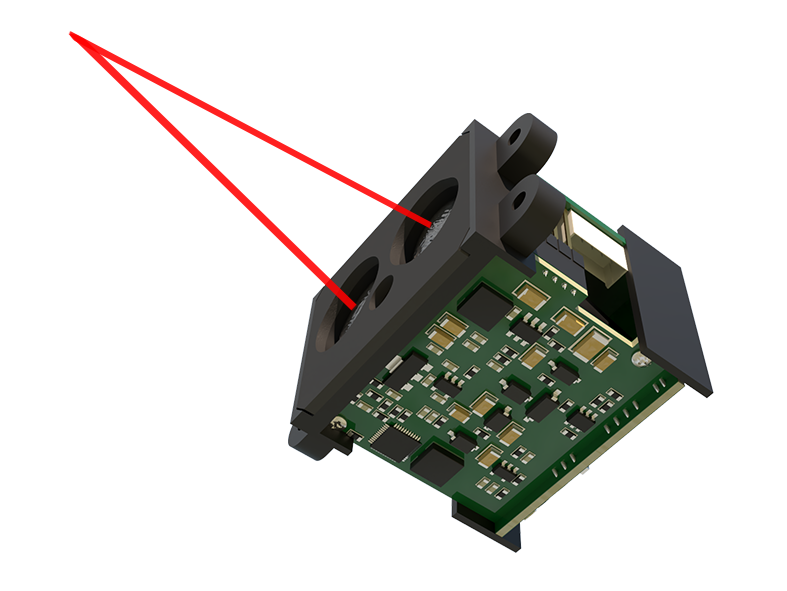
Once a break is identified, repair options depend on the application's criticality and sensor design. For permanent fixes, replace the entire cable assembly if possible, as splicing can introduce points of weakness. If splicing is necessary, use crimp connectors or soldering with heat-shrink tubing to ensure electrical integrity and environmental protection. Always follow manufacturer guidelines, as improper repairs can affect sensor calibration or safety certifications.
Prevention is key to minimizing downtime. Select cables with appropriate ratings for flex life, shielding, and environmental resistance. Implement proper strain relief at connection points using cable glands or clamps, and route cables away from moving parts or sharp edges. Regular maintenance schedules should include visual inspections and electrical testing, especially in high-stress installations. Additionally, consider using modular or quick-disconnect designs to simplify replacement without system overhaul.
In summary, broken wiring in laser sensor systems is a preventable issue that demands attention to detail in installation, maintenance, and repair. By understanding the root causes and employing proactive strategies, engineers can ensure reliable sensor performance and extend operational lifespan in demanding industrial settings.
