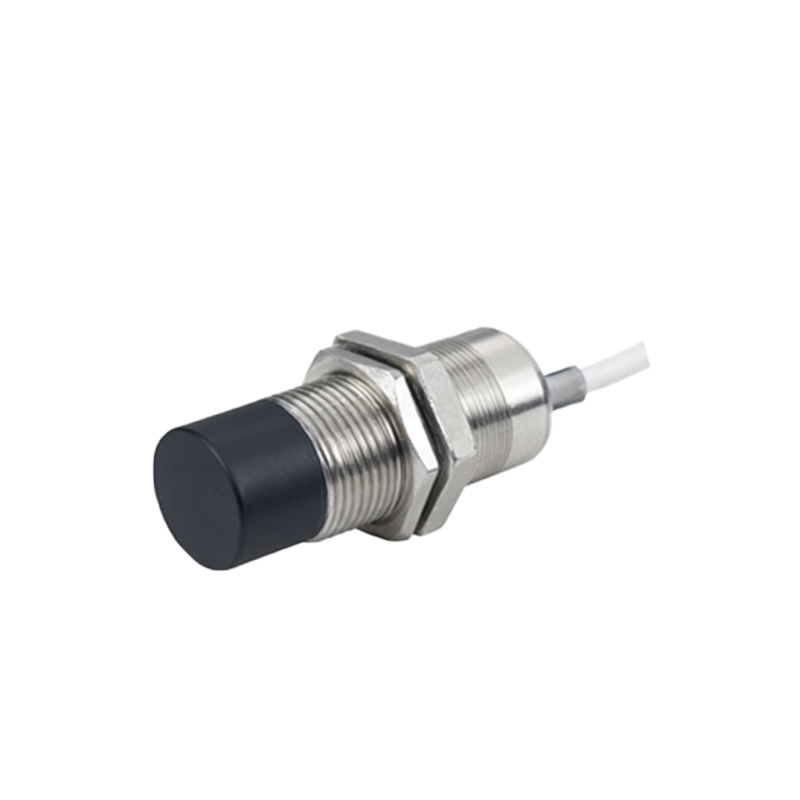
Proximity sensors are indispensable components in modern industrial automation, enabling non-contact detection of objects within a defined range without physical touch. Their ability to operate reliably in harsh environments—amidst dust, moisture, and extreme temperatures—makes them vital for applications ranging from assembly lines and robotics to automotive manufacturing and packaging systems. This article provides a detailed overview of the primary types of proximity sensors, their operating principles, key characteristics, and typical use cases, offering valuable insights for engineers and technicians in the electrical and automation fields.
The first major category is Inductive Proximity Sensors. These sensors generate an electromagnetic field and detect the presence of conductive metals, primarily ferrous metals like steel and iron, by monitoring changes in the field caused by eddy currents induced in the target. They are highly robust, offer excellent repeatability, and are immune to non-metallic substances such as dust, oil, or water. Common configurations include shielded (flush-mountable) and unshielded versions, with sensing distances typically ranging from a few millimeters to about 60 millimeters. Inductive sensors are extensively used for position sensing of metal parts, limit switching in machinery, and detecting the presence of tools or components in automated systems.
Capacitive Proximity Sensors form the second key category. Unlike inductive types, capacitive sensors can detect both metallic and non-metallic materials, including liquids, plastics, glass, wood, and granular substances. They function by measuring changes in capacitance between the sensor's electrode and the target object. When an object enters the sensing field, it alters the dielectric constant, triggering an output switch. These sensors are ideal for level detection in tanks (for liquids or powders), material handling of non-metallic products, and presence detection through non-ferrous barriers. However, they can be more susceptible to environmental factors like humidity and temperature variations, requiring careful calibration.
The third prominent type is Ultrasonic Proximity Sensors. These devices operate by emitting high-frequency sound waves (ultrasonic pulses) and measuring the time taken for the echo to return after reflecting off a target object. This time-of-flight principle allows them to detect objects regardless of material composition, color, or transparency. They offer relatively long sensing ranges, from centimeters to several meters, and are excellent for distance measurement, object profiling, and detecting transparent or irregularly shaped items. Applications include palletizing, collision avoidance in automated guided vehicles (AGVs), and liquid level sensing in large containers. Factors like air turbulence, temperature, and surface angle can influence their accuracy.
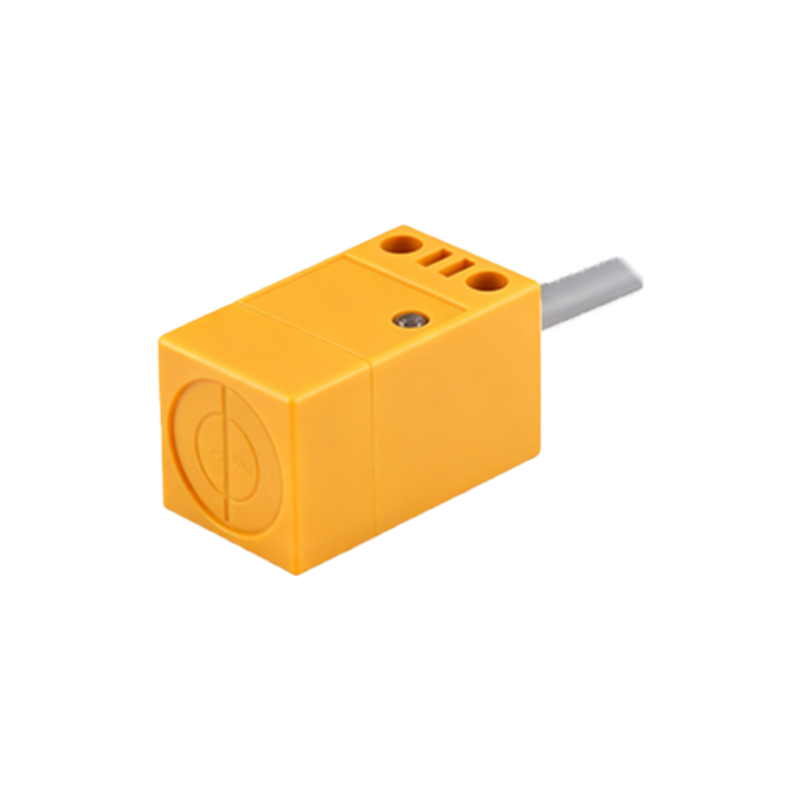
Photoelectric Proximity Sensors represent another widely used class. They utilize a light emitter (usually LED or laser) and a receiver to detect objects. These sensors are subdivided into three main operating modes: through-beam (where the emitter and receiver are separate units, offering the longest range and highest reliability), retro-reflective (using a reflector to bounce light back to the receiver), and diffuse (or proximity) mode, where the sensor detects light reflected directly from the target. Photoelectric sensors can detect virtually any material, are fast-responding, and provide precise sensing over considerable distances. They are prevalent in packaging, bottling lines, and electronic assembly for counting, sorting, and break-beam detection.
Finally, Magnetic Proximity Sensors, often referred to as reed switches or Hall-effect sensors, detect the presence of a magnetic field, typically from a permanent magnet. Reed switches use hermetically sealed contacts that close or open in response to a magnetic field, while Hall-effect sensors generate a voltage proportional to the field strength. These sensors are simple, cost-effective, and highly reliable for detecting the position of cylinders (via piston magnets), in door/window security systems, and in speed sensing applications. Their operation is unaffected by non-magnetic materials, making them suitable for dirty or wet environments where other sensors might fail.
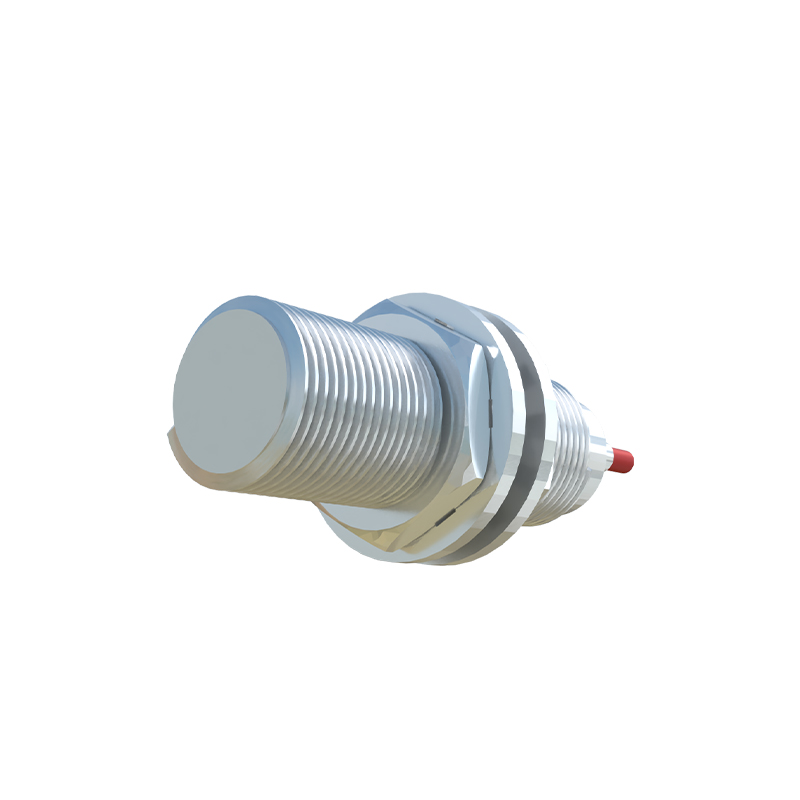
Selecting the appropriate proximity sensor depends on multiple factors: the target material (metallic, non-metallic, liquid), required sensing distance, environmental conditions (temperature, contaminants), response speed, output type (PNP/NPN, analog, IO-Link), and installation constraints. Inductive sensors excel with metals in tough industrial settings; capacitive sensors offer versatility for diverse materials; ultrasonic sensors provide reliable long-range detection; photoelectric sensors deliver speed and precision for non-contact applications; and magnetic sensors ensure durability in specific positional tasks. Understanding these categories empowers engineers to design more efficient, reliable, and cost-effective automation solutions, enhancing productivity and system uptime across various industries.