In the realm of industrial automation and machinery, proximity sensors are indispensable components that detect the presence or absence of objects without physical contact. Among these, the 10-degree proximity sensor stands out for its highly focused detection angle, offering unparalleled precision in specific applications. Customizing these sensors to meet unique operational demands is not merely an option but a necessity for optimizing performance, reliability, and efficiency in complex systems.
The 10-degree proximity sensor operates on principles such as inductive, capacitive, or photoelectric sensing, tailored to detect metallic or non-metallic targets within a narrow 10-degree field of view. This limited angle minimizes false triggers from surrounding objects, making it ideal for environments with high clutter or precise alignment requirements. For instance, in automated assembly lines, a customized 10-degree inductive sensor can be calibrated to ignore adjacent machinery parts, ensuring accurate detection of small components like screws or bolts. Similarly, in packaging industries, photoelectric variants with this narrow beam can distinguish between overlapping materials, reducing waste and improving throughput.
Customization begins with a thorough analysis of the application environment. Factors such as temperature extremes, humidity, vibration, and exposure to chemicals dictate the sensor's housing material, ingress protection (IP) rating, and sealing. Stainless steel or nickel-plated brass housings are common for corrosive settings, while epoxy-encapsulated electronics enhance durability in high-vibration scenarios. The sensing range, typically from a few millimeters to several centimeters, is adjusted based on target size and material. For example, a capacitive sensor might be tuned for non-metallic substances like plastics or liquids, whereas an inductive version focuses on ferrous metals.
Electrical specifications are another critical aspect of customization. Output types—including NPN, PNP, analog, or IO-Link—are selected to interface seamlessly with existing control systems like PLCs or microcontrollers. Voltage ratings, from 10-30V DC, are matched to plant power supplies to prevent compatibility issues. Response time, often in microseconds, is optimized for high-speed operations, such as in robotics or conveyor belts, where delays could disrupt entire processes. Additionally, built-in diagnostics or LED indicators can be incorporated for real-time monitoring, aiding in predictive maintenance and reducing downtime.
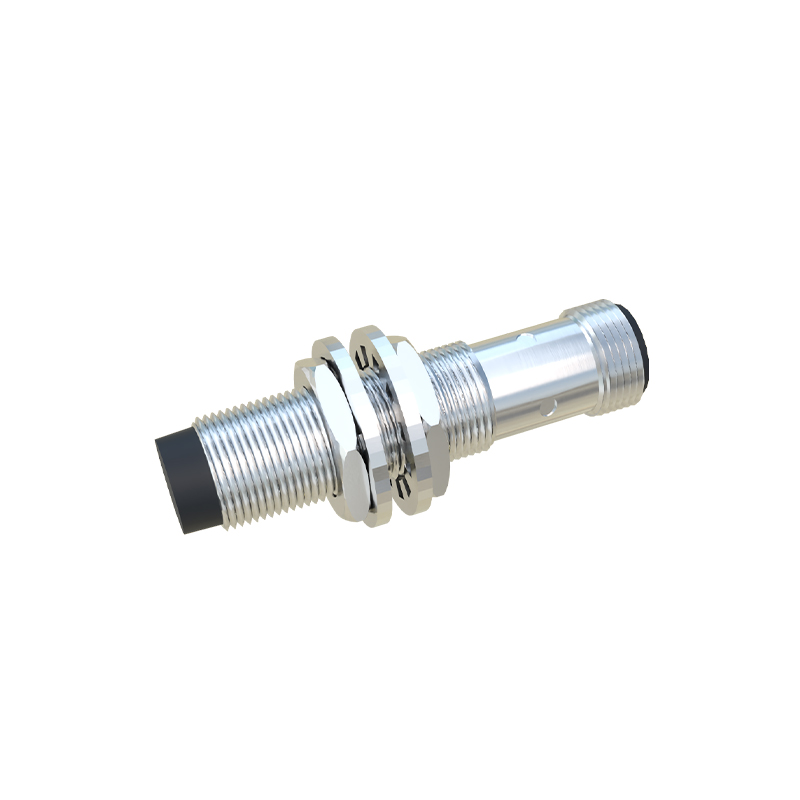
The integration of smart features is increasingly demanded in Industry 4.0 contexts. Custom 10-degree proximity sensors can include wireless connectivity, data logging, or self-calibration capabilities. By embedding microprocessors, these sensors adapt to changing conditions, such as target material variations or environmental shifts, without manual intervention. In automotive manufacturing, for instance, a customized sensor with IO-Link communication transmits not just detection signals but also health metrics to a central system, enabling proactive adjustments and enhancing overall equipment effectiveness (OEE).
Challenges in customization often revolve around balancing precision with cost. Narrow-angle sensors require precise optics or coil designs, which can increase manufacturing complexity. Collaborating with experienced engineers during the design phase helps mitigate this by selecting off-the-shelf components where possible and customizing only critical elements. Testing under simulated real-world conditions is essential to validate performance, ensuring the sensor meets stringent standards like IEC 60947-5-2 for industrial applications.
Ultimately, the value of a customized 10-degree proximity sensor lies in its ability to solve specific problems. In semiconductor fabrication, where contamination risks are high, a hermetically sealed sensor with a focused beam prevents particle generation. In food processing, hygienic designs with smooth surfaces and easy-clean features comply with FDA regulations while maintaining detection accuracy. By tailoring every aspect—from mechanical design to electronic output—industries achieve higher productivity, safety, and longevity in their operations.
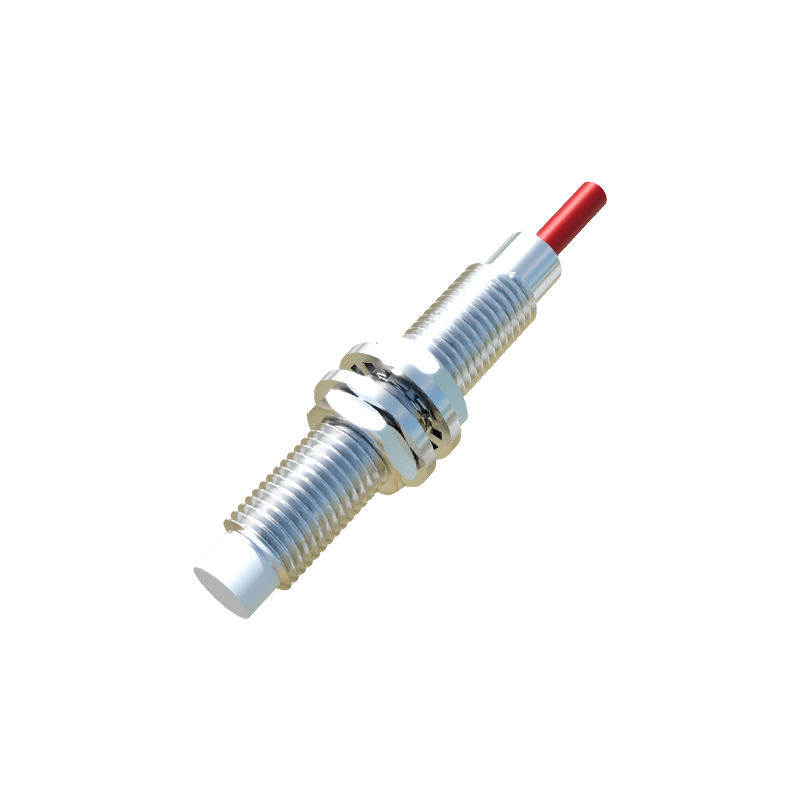
As technology advances, the trend toward miniaturization and enhanced sensitivity will drive further customization. Innovations in materials science and digital twins allow for virtual prototyping, reducing development time. Whether for legacy system upgrades or cutting-edge automation, investing in customized 10-degree proximity sensors ensures a competitive edge, transforming generic detection into a strategic asset for industrial excellence.