Capacitive proximity sensors have become indispensable in modern industrial automation, offering non-contact detection of both metallic and non-metallic objects. Among various installation methods, concealed (or flush-mounted) configurations present unique advantages and challenges that demand careful engineering consideration.
Unlike standard capacitive sensors, concealed models are designed to be mounted flush with surrounding surfaces, eliminating physical protrusions. This design approach provides enhanced protection against mechanical damage, reduces contamination risks, and enables seamless integration into machinery housings, conveyor systems, and production line structures. The sensing face sits parallel to the mounting surface, with only the active area exposed to the target environment.
The operational principle remains based on capacitance variation. When powered, the sensor generates an electrostatic field from its sensing surface. As a target object enters this field, it alters the dielectric constant, causing capacitance changes that trigger switching signals. For concealed installations, the electrostatic field extends minimally beyond the mounting surface, creating a narrower detection range compared to non-flush counterparts. Typical sensing distances range from 1 to 10 mm, depending on sensor diameter and material properties.
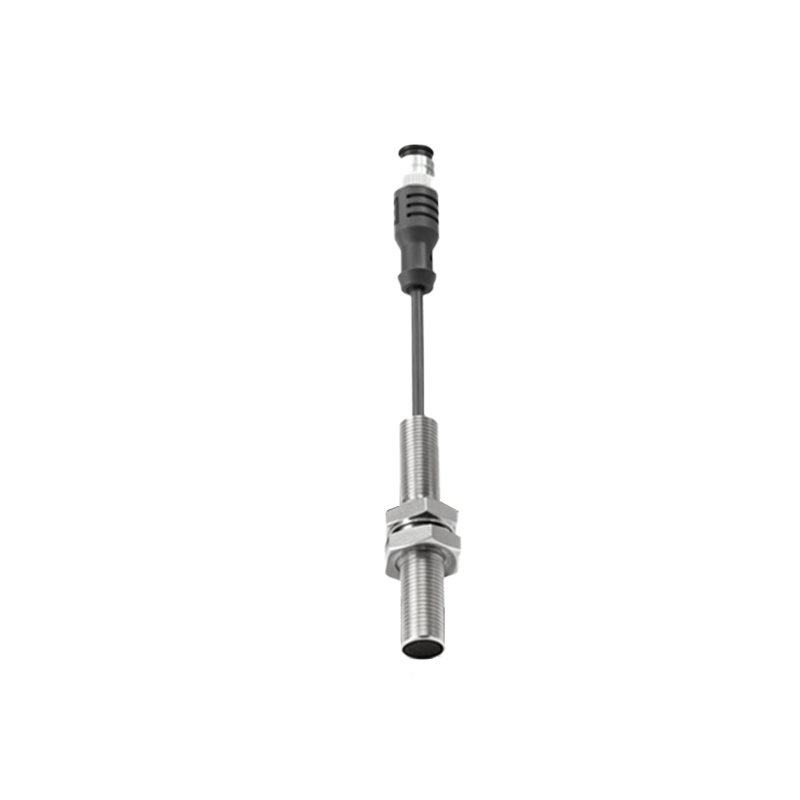
Material selection critically influences performance in concealed setups. Common housing materials include nickel-plated brass, stainless steel (V2A/V4A), and PBT plastics. Stainless steel variants offer superior chemical resistance for harsh environments, while plastic housings prevent interference in multi-sensor arrays. The sensing face typically utilizes PTFE or similar materials to maintain field stability. Target materials significantly affect sensing distance—metals generally provide the longest range, followed by conductive liquids, plastics, wood, and granular materials. Compensation electrodes integrated into modern sensors help mitigate effects from surrounding media, ensuring stable operation even when mounted in metal.
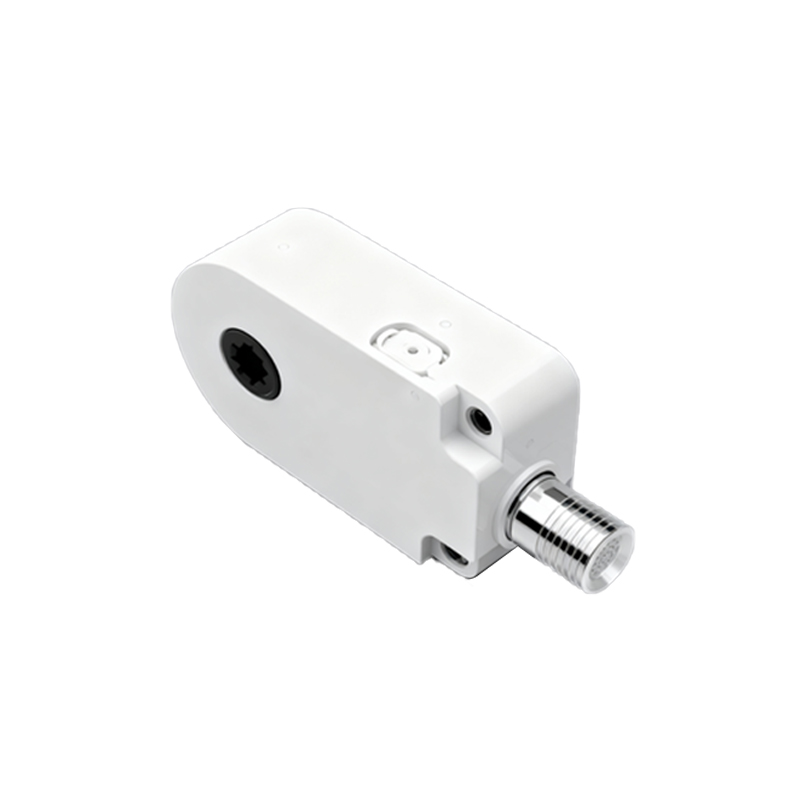
Electrical characteristics follow standard industrial norms. Most concealed capacitive sensors operate on 10-30 VDC or 20-250 VAC, with PNP or NPN output configurations. Current ratings typically fall between 100-200 mA, sufficient for directly driving relays, PLC inputs, or small actuators. Advanced models feature adjustable sensitivity via potentiometers or teach-in functions, allowing fine-tuning for specific materials and environmental conditions. IO-Link enabled versions facilitate parameterization and diagnostics through digital communication.
Installation precision is paramount. Manufacturers specify exact mounting hole tolerances—usually within 0.1-0.3 mm—to prevent performance degradation. Gaps between sensor housing and mounting surface must be minimized to avoid false triggers from accumulated debris. Environmental factors like humidity, temperature fluctuations, and airborne particles require consideration; IP67/IP69K ratings are standard for washdown applications in food/pharmaceutical industries. Electromagnetic compatibility (EMC) shielding becomes crucial when installed near variable frequency drives or welding equipment.
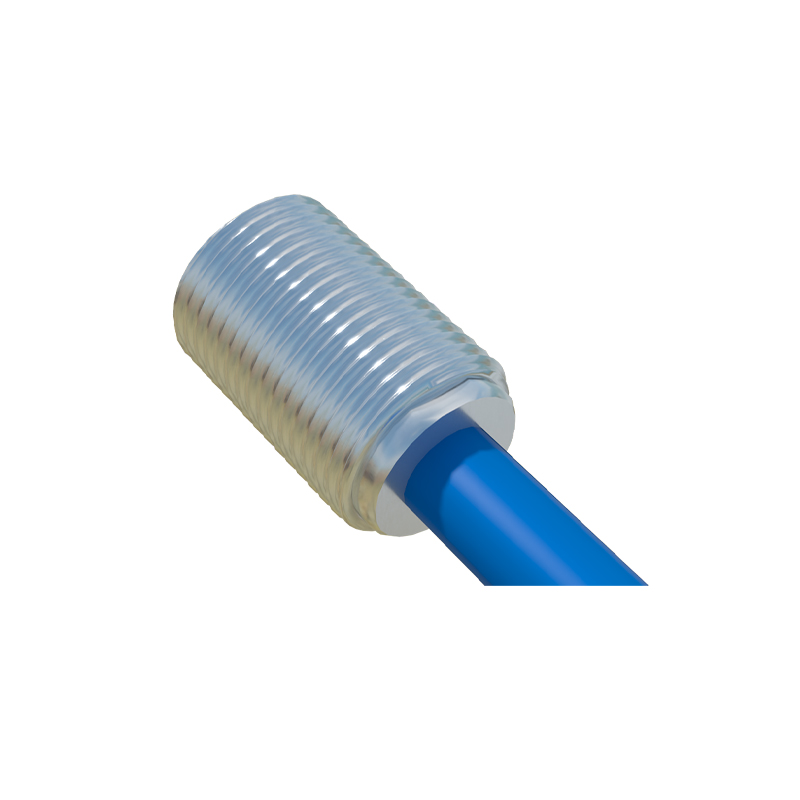
Applications span diverse sectors. In packaging machinery, concealed sensors detect cardboard, plastic films, or glass containers without disrupting material flow. Automotive assembly lines utilize them for verifying component presence behind panels or within fixtures. Woodworking equipment employs these sensors to monitor non-metallic tool positions. Particularly valuable in hygienic designs, flush-mounted sensors prevent bacterial growth in crevices while detecting liquid levels through tank walls.
Maintenance practices focus on preventing false operations. Regular cleaning of sensing surfaces with appropriate solvents maintains sensitivity. Diagnostic LEDs simplify troubleshooting—green indicates power, yellow shows switching state. Temperature compensation circuits in premium models minimize drift over operating ranges from -25°C to +85°C.
Future developments point toward miniaturization and smart capabilities. Micro-sized sensors under 4 mm diameter enable integration into compact devices. Digital interfaces allow compensation for container wall thickness in level sensing applications. Enhanced algorithms distinguish between target materials and background interference, reducing installation constraints.
Ultimately, successful implementation of concealed capacitive proximity sensors hinges on understanding their constrained sensing fields, material dependencies, and installation rigor. When specified and mounted correctly, they deliver reliable, maintenance-free detection where traditional sensors cannot operate—bridging gaps between mechanical design requirements and sensing functionality in space-constrained, demanding industrial environments.